
Researchers at Wake Forest University are investigating whether a virtual-first approach can help patients overcome the systemic barriers that frequently hinder blood pressure control. High blood pressure, often termed the silent killer, remains a significant public health challenge in the United States, as it often proceeds without obvious symptoms while causing irreversible damage to the heart and vascular system. While this condition is widespread across all demographics, its prevalence is notably skewed toward Black communities, where approximately 60 percent of adults live with the condition. This figure stands in sharp contrast to the 45 percent seen in white populations, highlighting a deep-seated health disparity that current medical systems have struggled to close. These statistics are not merely clinical markers but represent a higher risk of stroke and heart failure. The new study aims to move away from clinic-centered models to provide a more inclusive and patient-centered framework that meets individuals where they are.
The Architecture: Developing a Virtual Intervention Model
Leveraging Technology: Personalized Care Models
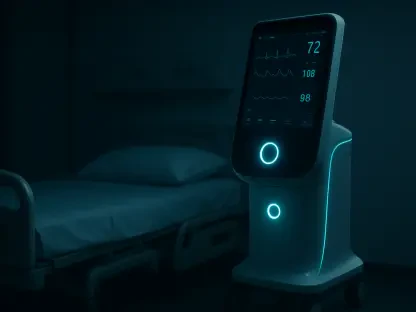
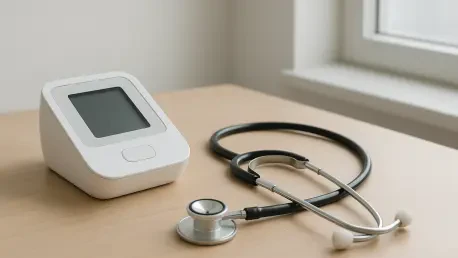
The clinical trial is structured to evaluate a multifaceted intervention for approximately 60 Black adults who are currently managing uncontrolled hypertension. To ensure the findings are applicable to those facing the greatest risks, the researchers established strict eligibility criteria requiring participants to have a systolic blood pressure reading of at least 140 mmHg and a stable medication history. This project moves beyond traditional, episodic care by utilizing three core pillars: home blood pressure monitoring, home-guided medication management, and comprehensive virtual self-management support. By shifting the focus of monitoring to the patient’s home environment, the study allows for a more accurate reflection of their daily physiological state. This approach avoids the common pitfalls of white-coat syndrome, where patients experience elevated blood pressure specifically during clinical visits due to anxiety or the stress of the healthcare environment itself.
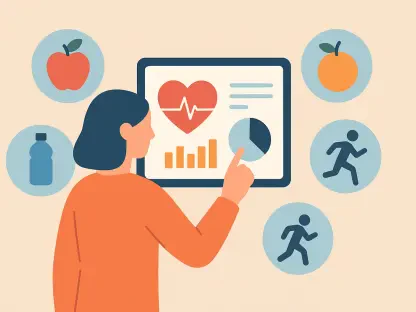
Utilizing these digital tools creates a continuous stream of data that pharmacists and clinicians can use to make real-time adjustments to treatment plans. Instead of waiting for a follow-up appointment months away, participants can receive immediate feedback on their readings, which helps in fine-tuning medication dosages more safely and effectively. This dynamic interaction is a cornerstone of the trial, as it empowers individuals to understand the direct relationship between their lifestyle, their medication adherence, and their cardiovascular health. Furthermore, the use of connected devices simplifies the data-sharing process, reducing the administrative burden on the patient. As they track their vitals in their daily routines, the technology serves as a bridge rather than a barrier, fostering a proactive relationship with their health. The integration of technology ensures that the medical intervention is personalized, timely, and responsive to the unique physiological needs of each patient.
Collaborative Health: Expanding the Support Network
A defining characteristic of this initiative is the transition away from the traditional, isolated doctor-patient dyad toward a multidisciplinary, team-based model. By incorporating nurses, pharmacists, community health workers, and social workers into a single support network, the study acknowledges that managing hypertension is rarely just about a prescription. This holistic structure provides a variety of touchpoints for the patient, ensuring that clinical advice is supplemented by practical, actionable guidance. For many individuals, the difficulty in maintaining blood pressure control stems from medication side effects or confusion regarding complex dosing schedules. A specialized pharmacist can address these issues immediately, while a nurse can provide ongoing education regarding the importance of consistent tracking. This collaborative environment ensures that the expertise of various medical professionals is harmonized, creating a comprehensive care plan.
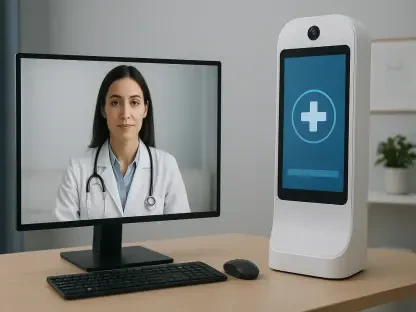
Beyond clinical management, the inclusion of community health workers and social workers is intended to address the social determinants of health that frequently disrupt care. These professionals work to identify and mitigate systemic hurdles, such as the high cost of prescriptions, insurance complexities, or the lack of reliable transportation to traditional clinics. By leveraging telehealth to connect these experts with the patient, the program builds a robust safety net that remains accessible regardless of the participant’s geographic location or mobility. This level of support is crucial for populations that have historically been marginalized by the healthcare system or who face chronic environmental stress that exacerbates hypertension. The goal is to provide a support system that is as resilient as the patients it serves, ensuring that socioeconomic factors do not become an insurmountable wall to achieving health equity. This model seeks to prove that when patients are supported by a full team, they succeed.
Assessing Feasibility: Long-Term Impact and Results
Data Analysis: Preliminary Insights and Success Metrics
While the current trial is still underway, preliminary data from a pilot study conducted recently provides a promising foundation for the virtual-first model. In that earlier phase, participants showed remarkably high engagement levels, checking their blood pressure an average of 9.4 times per week, which significantly exceeded the frequency requested by the research team. This high level of adherence suggests that patients are not only willing but also eager to engage with their health data when they are provided with the right tools and consistent support. These initial findings are vital because they debunk the misconception that virtual health tools are too burdensome for individuals facing social or economic disadvantages. Instead, the data suggests that technology can be a powerful equalizer when it is accompanied by human-centered coaching. However, the pilot also highlighted that success relies heavily on user-friendly digital interfaces and technical support.
The researchers also focused on how these interventions could be scaled to reach larger populations while maintaining a strict focus on health equity. They analyzed the feasibility of integrating such high-touch telehealth services within existing medical infrastructure, ensuring that the model remained sustainable beyond a controlled study. Success was measured not just through blood pressure reductions, but also through patient satisfaction and the long-term maintenance of healthy routines. The study concluded that culturally sensitive care, combined with accessible technology, offered a viable path forward for reducing cardiovascular disparities in Black communities. Looking ahead, the focus shifted toward implementing these strategies within standard care protocols to ensure that high-risk patients receive the intervention they need. By proving that personalized, virtual-first care works in real-world conditions, the study provided a blueprint for future management of chronic diseases.
Actionable Directions: Building Sustainable Medical Equity
To ensure the longevity of these improvements, healthcare systems must prioritize the integration of multidisciplinary telehealth teams into standard primary care. The transition to a virtual-first approach required a significant shift in how resources were allocated, but the resulting reduction in emergency room visits and stroke-related complications demonstrated a clear return on investment. Future efforts should focus on expanding high-speed internet access in underserved areas to prevent a digital divide from replacing traditional barriers to care. Additionally, medical education programs began incorporating training for pharmacists and community health workers specifically tailored to remote management. This comprehensive strategy moved the needle toward a more equitable health system where every patient has the support needed to manage their condition. The clinical trial successfully demonstrated that while technology is a tool, the human connections built through virtual platforms were the true drivers of lasting physiological change.