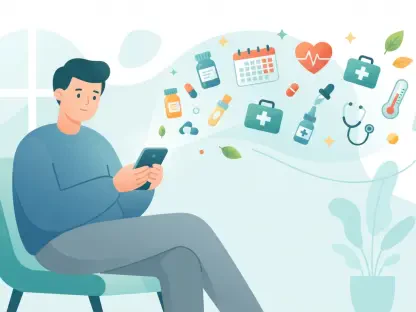

There were no significant differences in the rates of Caesarean sections between the traditional care group and those using the remote monitoring framework. This finding provides a vital baseline of safety for a shift that many healthcare systems are considering to address the growing prevalence of gestational diabetes mellitus. In modern obstetrics, managing this condition requires constant vigilance, involving frequent glucose tracking and regular clinical interventions to protect both the mother and the developing child. As hospitals worldwide face unprecedented patient volumes and chronic staffing shortages, digital health solutions have moved from experimental concepts to practical necessities. A recent investigation conducted at a large teaching hospital in the Netherlands sought to determine if an app-based monitoring system could replace traditional outpatient care. By comparing a mobile-first approach to standard protocols, researchers aimed to see if technology could maintain high clinical standards while reducing the physical burden on busy clinics.
Neonatal Outcomes and the Question of Non-Inferiority
The primary clinical metric used to evaluate the success of this digital transition was the prevalence of large-for-gestational-age infants. This specific complication is a hallmark of poorly managed gestational diabetes and serves as a critical indicator of neonatal health. During the study, the remote monitoring group exhibited a slightly higher rate of these births at 20.3 percent, compared to 17.8 percent in the traditional care cohort. While this difference of 2.5 percentage points was not statistically significant, it complicated the effort to prove non-inferiority. The researchers had established a strict margin of 8 percent to ensure the new system was essentially as effective as the old one. However, the resulting confidence interval reached a high of 9.0 percent, which technically pushed the findings into the realm of the inconclusive. This suggests that while remote monitoring did not cause overt harm, more extensive data is required to confirm it is precisely equal to face-to-face care.
Beyond the specific measurements of infant size, the broader clinical picture remained remarkably stable across both patient groups. Researchers examined a wide array of secondary health outcomes, including various maternal complications and immediate neonatal needs following delivery. The stability of these metrics suggests that the fundamental quality of care did not degrade when shifted to a digital platform. The transition from physical, in-person consultations to a digital interface for blood glucose management appeared to be a seamless change for the vast majority of participants. This stability is vital for healthcare providers who may be hesitant to move away from established, high-touch traditional protocols. By demonstrating that the move to remote monitoring did not trigger a sudden spike in emergency interventions or unexpected birth complications, the study supports the idea that digital health frameworks can act as a safe and reliable alternative for managing chronic conditions in contemporary medical settings.
Clinical Efficiency and Future Digital Protocols
The most compelling evidence in favor of digital health adoption was found in the dramatic reduction of hospital resource utilization. The study confirmed that patients using the remote monitoring application required significantly fewer outpatient clinic visits for internal medicine consultations. On average, the intervention group only needed 1.6 in-person visits, whereas the group receiving usual care required nearly double that amount, averaging 2.8 visits. This reduction represents more than just a convenience for the patient; it signals a major shift in how hospitals can manage their physical space and professional staff. By moving routine check-ins to a virtual environment, the facility was able to streamline its daily operations and alleviate the crowding typically seen in specialized obstetric clinics. This approach allowed for a more focused use of clinical resources, ensuring that the physical infrastructure of the hospital was reserved for procedures that truly required a hands-on medical presence.
In conclusion, the transition toward remote glucose monitoring for gestational diabetes established a promising framework for modernizing maternal care. Hospitals that implemented these digital systems found a viable path to reducing the immense pressure on their physical infrastructure and specialized personnel. The evidence indicated that leveraging automation and virtual check-ins allowed for a more efficient allocation of medical resources without compromising the immediate safety of the patients. Moving forward, healthcare administrators focused on integrating these digital platforms into standard protocols while maintaining a safety net for high-risk individuals who still required intensive, in-person intervention. The experience showed that while technology could handle the bulk of routine monitoring, the human element remained essential for complex decision-making. By refining these automated systems and expanding the scale of clinical trials, the medical community moved closer to a balanced model of care that maximized efficiency while prioritizing the long-term health of both mother and child.