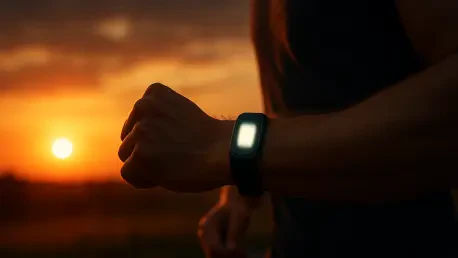

Xiaomi has increased the battery life rating to 21 days for the Redmi Band 4, although this figure applies only under very specific light-use conditions. This new launch in the Chinese market represents the latest iteration of the company’s entry-level wearable philosophy, targeting budget-conscious consumers who prioritize essential tracking over premium materials. Priced at approximately $25, the device manages to maintain a low barrier to entry while introducing subtle refinements in its exterior construction. While the hardware remains largely iterative, the shift in marketing focus toward longevity and aesthetic modernization reflects a broader trend in the current 2026 wearable market. Users of the previous generation will find that this model offers a familiar software environment housed within a slightly more robust chassis. This strategic release highlights the brand’s intent to dominate the low-cost fitness segment by balancing price with functionality.
Build Style
Screen
The display technology on the Redmi Band 4 remains consistent with the previous model, utilizing a 1.47-inch TFT LCD panel that offers a resolution of 172 x 320 pixels. While many competitors have shifted toward AMOLED technology, the choice to retain this specific LCD setup allows the manufacturer to keep the price point low without sacrificing the core visual experience. This screen delivers a 60Hz refresh rate and a peak brightness of 450 nits, which ensures that the interface remains responsive and legible under moderate outdoor lighting. To protect this interface, Xiaomi has implemented a 2.5D curved glass layer that sits flush with the updated frame. This architectural decision improves the tactile experience during navigation and provides a more contemporary look compared to the flat screens found on older budget models. The integration of customizable watch faces leverages this screen to allow for personalization while maintaining energy efficiency across the board.
Frame
Moving beyond the screen, the external housing of the Redmi Band 4 features a metallic-looking finish that elevates the device’s perceived value. Although the weight has seen a slight increase to 18 grams, the fitness tracker remains lightweight enough for 24-hour wear, including during sleep tracking. The designers have also introduced a new textured strap paired with an improved fastening mechanism, addressing common complaints regarding security during high-intensity workouts. This updated buckle design ensures that the device stays firmly in place while the user is engaged in activities such as swimming, which is supported by a 5ATM water-resistance rating. The overall form factor has been carefully sculpted to remain unobtrusive on the wrist, making it a viable option for those who find larger smartwatches too bulky. By focusing on these structural refinements, the company has successfully created a product that feels more durable than its predecessors in daily use.
Core Tech
Metrics
Internally, the Redmi Band 4 utilizes the same 300mAh battery found in the earlier Band 3, which explains why the longevity improvements are largely metric-based. Under standard or heavy operating conditions, most users should expect the battery to last roughly eight days, especially if continuous health tracking features are enabled. These tracking capabilities include heart rate monitoring, SpO2 blood oxygen measurements, and comprehensive sleep analysis. Additionally, the device supports over 50 sports modes and provides stress monitoring alongside specialized tracking for women’s health. For the local market in China, the tracker also integrates convenient QR-code payment systems for services like Alipay and WeChat. While it lacks confirmed NFC support for global contactless payments, the existing suite of sensors provides a robust foundation for general fitness enthusiasts. This balance of features ensures that the device remains a versatile tool for health data collection in 2026.
Verdict
The decision to launch the Redmi Band 4 in its current form demonstrated a calculated focus on structural quality over internal revolution. While the hardware specifications remained largely conservative, the aesthetic improvements helped bridge the gap between budget trackers and mid-range wearables. For those looking ahead, the successful deployment of this model suggested that the next phase of development would likely involve integrating more efficient display technologies or expanding regional payment features. The most effective strategy for prospective users involved recognizing the limitations of the light-use battery claims while leveraging the robust health sensors for daily activity management. Ultimately, the release solidified the brand’s reputation for delivering functional technology at a price point that remained accessible to a global audience, provided they balanced their expectations with the entry-level nature of the device. Future iterations will build upon this foundation for better results.