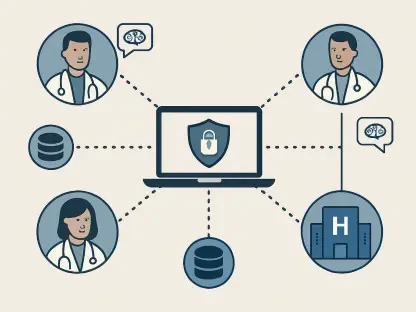
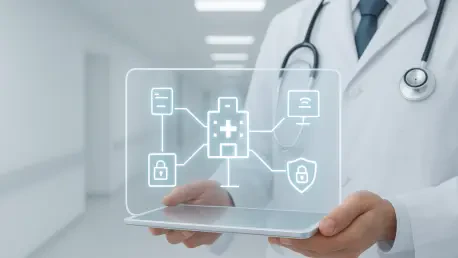
Recent data from Japan reveals a significant expertise gap where eighty-six percent of hospitals have appointed security managers, yet only sixteen percent of those individuals hold specialized qualifications. This discrepancy highlights a perilous reality in modern healthcare where the
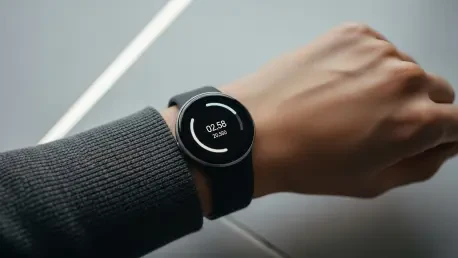
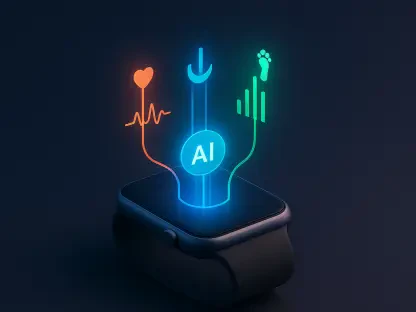
While modern wearable technology provides an unprecedented amount of data, many devices still operate on a foundational bias that prioritizes male physiology as the universal standard for health metrics. For over a decade, fitness trackers have transitioned from simple pedometers into complex

The increasing frequency of atmospheric disturbances across North America has transformed air quality monitoring from a niche environmental concern into a critical daily necessity for millions of urban and rural residents alike. As smoke from wildfires frequently drifts across state lines, the

The transition from isolated medical devices to fully integrated Internet of Things (IoT) ecosystems has fundamentally redefined the operational standards for modern clinical environments and patient management strategies. It is no longer sufficient to simply procure hardware; organizations must
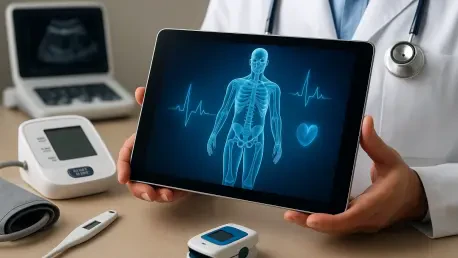
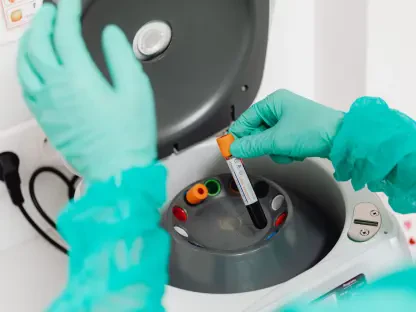
The rapid evolution of healthcare delivery is currently pivoting away from traditional, hospital-centric models toward a decentralized system that prioritizes individual autonomy and immediate access to clinical data. This transformation is largely fueled by the burgeoning home diagnostics sector,
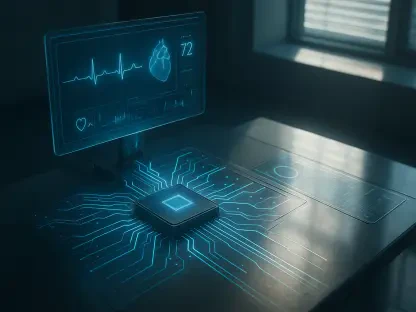
The rapid transition from centralized hospital-based care to a highly decentralized model of continuous surveillance is currently fundamentally altering how medical professionals manage chronic disease across the globe. As patients demand more autonomy and healthcare systems strive for greater