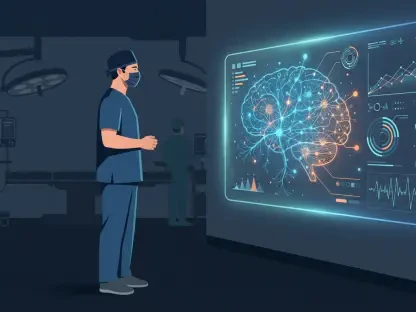

The rapid integration of digital health technologies into home-based renal care is fundamentally changing how clinicians supervise patients who manage their own life-sustaining treatments. While automated peritoneal dialysis has long utilized cloud-connected cyclers to transmit therapy data, manual peritoneal dialysis—or continuous ambulatory peritoneal dialysis—remained a predominantly analog process until very recently. The challenge of digitizing manual exchanges lies in the requirement for consistent patient-led data entry, which many feared would lead to reporting fatigue or significant inaccuracies. However, a landmark prospective observational pilot study conducted between late 2025 and early 2026 has provided fresh evidence regarding the feasibility of remote monitoring for this specific population. By examining a cohort of fifteen adults using the MyPD application and the Sharesource CAPD portal, researchers sought to determine if the digital divide in home dialysis could be effectively bridged without increasing the burden on the patients.
Technical Implementation: Overcoming Hurdles in Manual Dialysis Monitoring
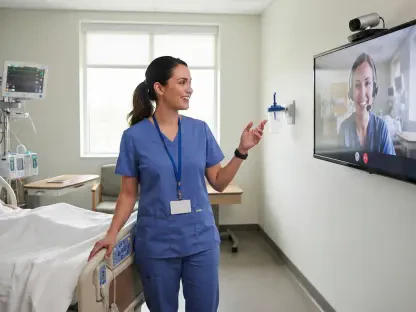
The operational success of the digital monitoring workflow was largely defined by the high rate of data adherence observed throughout the four-month study period. Participants were required to log each of their four daily manual exchanges, recording fill volumes, dwell times, and ultrafiltration results directly into the mobile application. Despite the active effort required for such granular reporting, the study recorded a 97% daily-report transmission rate, indicating that the digital interface was well-suited to the daily routines of manual dialysis patients. This level of consistency suggests that the perceived barrier of manual entry fatigue may be less significant than previously assumed, provided the technology is intuitive and seamlessly integrated into the care path. By providing clinicians with a near-real-time view of treatment adherence, the portal allowed for a more proactive approach to home-based care, ensuring that any deviations from the prescribed regimen were identified and addressed long before the next scheduled clinic visit.
Patient safety and overall satisfaction were equally critical in evaluating the viability of remote patient monitoring for manual exchanges. Throughout the observation phase, no clinical harm was attributed to the use of the digital monitoring tools, and researchers reported zero instances of technique failure or unplanned transitions to hemodialysis. This stability is essential for gaining the trust of both the medical community and the patient population, as the primary goal of any new home-care technology must be to enhance, rather than disrupt, the efficacy of the life-sustaining therapy. Furthermore, the participants expressed a high degree of confidence in the system, reflected in a mean satisfaction score of 4.6 out of 5. Many patients noted that having access to their own clinical data through the application provided them with a greater sense of control and a clearer understanding of how their daily actions influenced their health outcomes. This psychological benefit of empowerment is a significant factor in the long-term success of home-based dialysis programs.
Clinical Analysis: Assessing Trends in Hospitalization and Patient Vitals
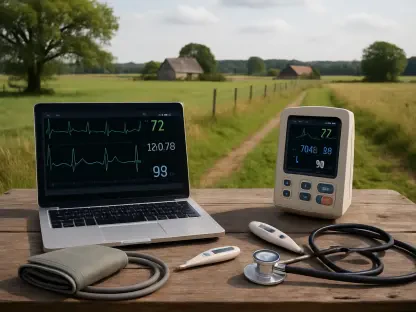
While the study’s primary focus was on feasibility, the exploratory clinical outcomes provided an optimistic signal regarding the potential health benefits of remote oversight. Data collected during the monitoring phase showed a noticeable downward trend in mean blood pressure, which decreased from a historical baseline of 138/82 mmHg to 131/77 mmHg by the conclusion of the observation period. Although the small sample size and lack of a controlled, paired analysis mean these results are not yet definitive, they suggest that more frequent data review may lead to better management of fluid balance and cardiovascular health. Additionally, the study noted a reduction in the incidence of hospitalizations and unscheduled clinic visits, with a hospitalization incidence-rate ratio of 0.30. Even though these findings did not reach statistical significance, the trend suggests that remote monitoring acts as an early warning system, allowing the care team to intervene before a patient’s condition worsens to the point of requiring emergency medical intervention or an inpatient stay.
The pilot study successfully demonstrated that remote monitoring for manual peritoneal dialysis was not only feasible but also highly beneficial for enhancing patient engagement and clinical oversight. To move toward broader adoption, healthcare systems should have focused on developing scalable training programs that prepared both patients and clinical staff for the transition to digital workflows. The researchers established that the most effective implementations were those where data review was integrated into the daily responsibilities of the care team, supported by automated alerts to flag significant deviations in patient vitals. Looking back, the integration of these tools served as a vital step in narrowing the technological gap between manual and automated dialysis modalities, ensuring that all home-based patients received a similar standard of high-touch care. These outcomes highlighted the necessity of investing in robust telecommunications infrastructure to support rural patients, thereby expanding access to remote monitoring and improving the long-term sustainability of home-based renal replacement therapies.