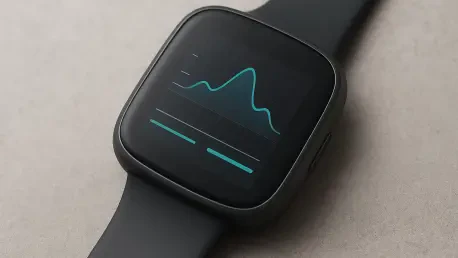

The Fitbit Edge’s user interface focuses on streamlined interactions, yet the temporary lack of integrated Google Maps navigation remains a point of contention for hikers. This launch represents a significant shift in strategy since Google acquired the brand, ending a period of relative quiet where the product line felt somewhat stagnant for years. Between 2026 and 2028, the industry expects a sharper divide between health trackers and smartwatches, and the Edge is the first real evidence of this movement. For several years, users relied on the Charge 6 as the flagship for those preferring a slim profile over a bulky watch, but the Edge now serves as a sophisticated intermediary. It occupies a unique design space, nestled between the ultra-minimalist Fitbit Air and the premium Google Pixel Watch, balancing specific health-tracking hardware with a proprietary operating system. This analysis examines whether these hardware pivots and software limitations provide a better experience for dedicated athletes or simply reduce utility.
Tactile Improvements and Hardware Reliability
One of the most significant improvements found in the Fitbit Edge is the reintroduction of a physical side button, moving away from the controversial haptic sensors of the past. In the Charge 6, the haptic nub often failed to recognize inputs when a user’s hands were sweaty or when the device was positioned at an awkward angle, leading to frustration during high-intensity intervals. The Fitbit Edge abandons this design in favor of a mechanical button that provides a distinct, audible click and physical travel. For serious athletes who need reliable interaction during an intense workout, this shift back to mechanical hardware is a major victory for ergonomics and usability. It ensures that the device responds to commands even when it is powered off or during extreme weather conditions where touchscreens often fail. This return to tactile functionality suggests that the design team prioritized the practical needs of active users over the sleek, sensor-driven aesthetics of recent years.
Beyond the external controls, the Edge addresses long-standing complaints regarding sensor accuracy and data depth by reintroducing the altimeter. This hardware component, which was notably missing since the Charge 4, allows the device to once again track floors climbed and provide nuanced data regarding elevation gain during outdoor activities like mountain biking or trail running. Furthermore, Google has reportedly overhauled the GPS chipset to fix the interference issues that plagued the Charge 6. In previous models, tightening the wristband too much could strain the internal antenna, leading to wildly inaccurate mapping and broken exercise paths. This new hardware in the Edge is engineered to be more resilient and accurate, providing a much more reliable experience for runners and hikers who prefer to leave their smartphones at home. By focusing on these core tracking capabilities, the device offers a more professional-grade suite of metrics that align with the brand’s fitness roots.
Software Versatility and Integrated Limitations
In a move that rectifies one of the most vocal complaints regarding the Charge 6, the Fitbit Edge introduces universal music controls for all compatible mobile devices. While the previous flagship tracker was notoriously locked into the YouTube Music ecosystem, effectively stripping functionality from users of Spotify, Apple Music, or podcasting platforms, the Edge breaks this walled-garden approach. Google has confirmed that the Edge can control any media currently playing on a paired smartphone, regardless of the application being used. This shift reflects a more consumer-friendly approach to software development, prioritizing utility and industry standards over strict ecosystem lock-in. It allows users to skip tracks, adjust volume, and pause content directly from the wrist without being forced into a specific subscription service. This versatility makes the device a more attractive option for those who have already established their digital media libraries outside of Google’s own services.
Despite these advancements, the Fitbit Edge is not a strictly superior device in every category, as evidenced by the removal of Near Field Communication capabilities and the delay of navigation features. The Charge 6 supported Google Wallet, allowing users to make contactless payments for a quick snack during a run without carrying a phone. The Edge has completely dropped this hardware to conserve space for the altimeter and improved GPS components. Furthermore, the device lacks immediate Google Maps integration, with the official documentation labeling turn-by-turn directions as a feature coming soon. For users who have integrated contactless payments and wrist-based navigation into their daily routine, these omissions represent a significant step backward in convenience. It forces a trade-off where the consumer must prioritize advanced vertical tracking and reliable GPS accuracy over the established lifestyle utility of a digital wallet and real-time mapping functionality on the wrist.
Strategic Outlook and Actionable Considerations
The conclusion of the analysis revealed that the Fitbit Edge represented a fundamental shift toward a fitness-first philosophy, prioritizing physical reliability and data depth over general-purpose lifestyle features. Users who primarily used their wearables for gym sessions, trail runs, and comprehensive health monitoring found that the trade-offs were largely justified by the superior tactile response and the return of elevation tracking. The transition to a mechanical button resolved long-standing complaints about haptic failures, making the device a more dependable partner for intense physical activity. However, the loss of mobile payments meant that the device moved further away from being a complete smartwatch replacement. For individuals who relied on their tracker as a digital wallet, the Edge necessitated a change in daily habits or a move toward more expensive smartwatch alternatives. This shift clarified the brand’s intent to serve the dedicated athlete who values data integrity over the convenience of a multipurpose lifestyle gadget.
Looking ahead, prospective buyers should evaluate their personal priorities before transitioning to the newer hardware. For those who prioritize elevation metrics and robust GPS accuracy, the Edge stands as the most capable tracker the brand has released in the current cycle from 2026 to 2028. However, if mobile payments and immediate navigation are essential, waiting for the promised software updates or sticking with the older Charge 6 remains a viable strategy. The decision to remove NFC suggests that hardware space is at a premium, implying that future iterations might continue this trend of specialization. Organizations and developers should take note of this move toward focused utility, as it signals a broader market trend where devices are optimized for specific use cases rather than attempting to serve every possible need. Ultimately, the Edge succeeded in refining the core fitness experience, proving that a return to mechanical reliability can be more valuable than an exhaustive list of smart features for the modern athlete.