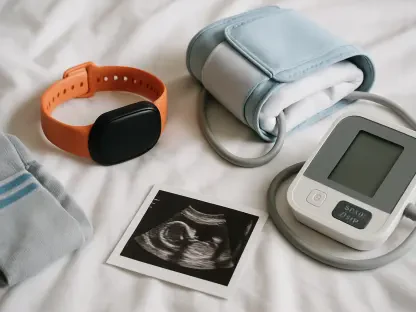

The collaboration between Quanterix and Innovita leverages localized manufacturing and regulatory expertise to bring advanced diagnostic kits to the Chinese healthcare market. This initiative emerges as a critical response to the mounting pressure on the region's medical infrastructure, which
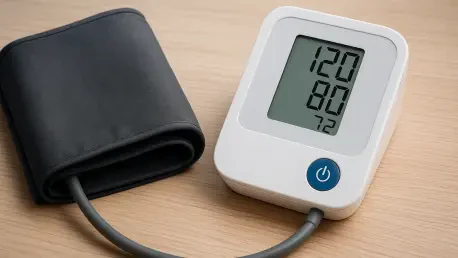
Medical professionals have long sought a passive monitoring solution that can identify nocturnal hypertension and the cardiovascular stress caused by sleep apnea. For decades, the standard for tracking cardiovascular health has relied on the intermittent use of inflatable arm cuffs. While these
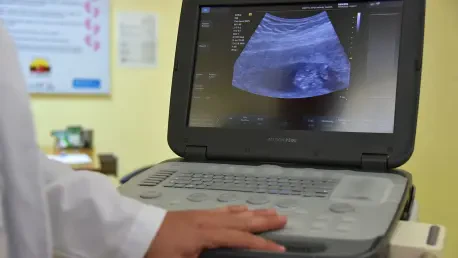
The ability to monitor the wash-in and wash-out phases of a contrast agent in real time is essential for navigating the complicated diagnostic landscape of liver disease. This environment is frequently clouded by the presence of "imposter" lesions—masses that mimic the appearance of malignancy on

The FDA’s Total Product Lifecycle approach mandates that cybersecurity considerations begin at the initial design phase and continue until the device is decommissioned. This paradigm shift reflects the reality of 2026, where medical technology is no longer comprised of standalone hardware but
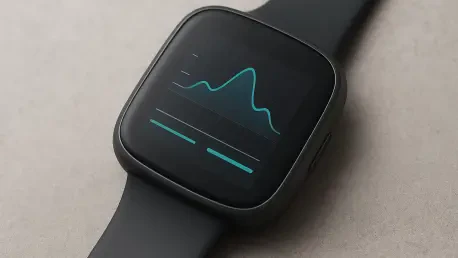
The Fitbit Edge's user interface focuses on streamlined interactions, yet the temporary lack of integrated Google Maps navigation remains a point of contention for hikers. This launch represents a significant shift in strategy since Google acquired the brand, ending a period of relative quiet where

Engineers are leveraging the precision of electromagnetic steering to move medical devices through the heart without the need for internal power supplies. This breakthrough by the team at Johns Hopkins University introduces a pair of rice-sized robotic modules designed to address infective