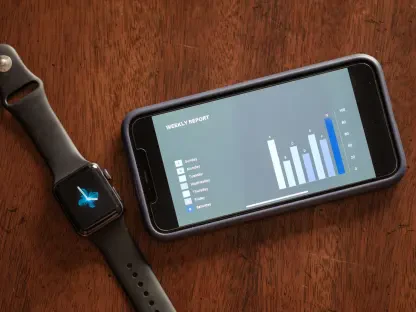
The shift toward mobile health intelligence seeks to move medical care away from reactive clinic-based models and toward proactive, continuous, and home-based monitoring paradigms. This evolution is led by researchers at the University of Maryland, Baltimore County, who focus on transforming
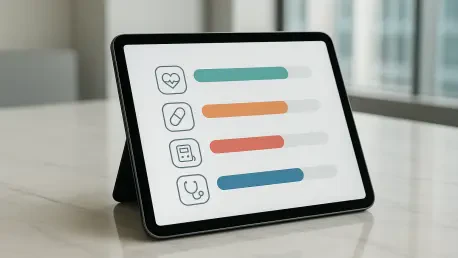
The National Plan for Digital Autonomy has moved beyond theory with a tool that replaces opaque administrative records with a transparent, live database of sanitary approvals. This development marks a significant shift in how the Federal Commission for the Protection against Sanitary Risks

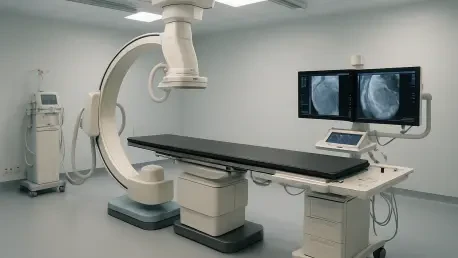
By converting a former waiting area into a high-capacity clinical space, MaineHealth Pen Bay Hospital has successfully reduced mammography wait times from six months to just one week. This strategic renovation addresses a critical bottleneck in regional healthcare delivery where patients previously
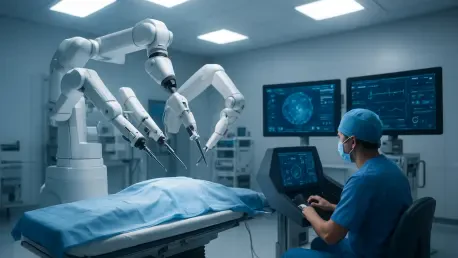
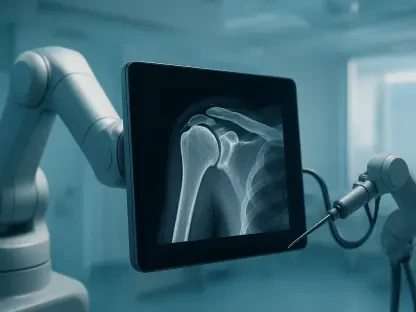
Training programs for local medical staff are currently underway to bridge the gap between traditional surgical methods and the requirements of high-tier robotic technology. For years, the healthcare narrative in the region was dominated by the flight of patients seeking advanced treatments in

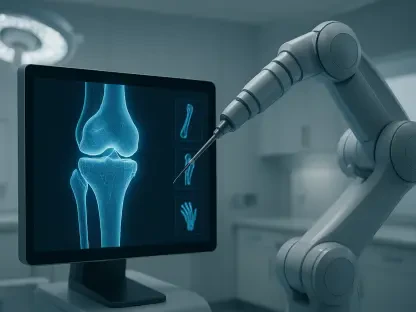
The implementation of patient-specific 3D assets helps eliminate the need for on-the-fly adjustments when surgeons encounter unexpected anatomical variations. For decades, the medical community relied on the mental translation of flat, grayscale images into three-dimensional mental constructs, a

The FDA’s proposed Foundation Model Device Master Files would allow AI developers to share confidential architecture data directly with regulators to ensure safety. This paradigm shift addresses the reality that modern medical devices are no longer static tools but are instead interconnected nodes