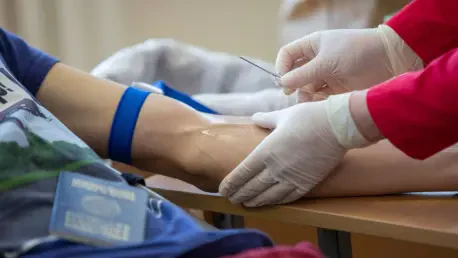

Patient feedback from Aletta clinical trials showed that 82% of participants preferred the robotic procedure or felt no preference compared to human practitioners. This high level of acceptance marks a pivotal moment in medical history, as automated systems transition from experimental prototypes to indispensable clinical tools in 2026. Founded in 2017, the Dutch company Vitestro developed the Aletta system to address the inherent variability in manual phlebotomy, where the success of a blood draw traditionally relied on the individual skill of a nurse. By removing the inconsistencies of human manual dexterity, the system seeks to standardize one of the most common medical procedures performed worldwide. This innovation is not merely a technical achievement; it is a response to years of clinical challenges, including failed attempts on patients with fragile veins and the mounting pressure of long wait times in outpatient clinics. As phlebotomy enters this new era, the focus shifts toward perfect repeatability and operational excellence.
Advanced Robotics: Technical Precision and Regulatory Success
Mapping the Vasculature: Advanced Imaging and Navigation
Aletta operates as a sophisticated, standalone robotic system designed to manage the entire phlebotomy cycle autonomously, reducing the need for constant manual intervention. Once a patient is comfortably seated and positions their arm within the device, the robot initiates a high-tech scanning sequence using a combination of near-infrared light and ultrasound imaging. This dual-mode approach allows the system to create a detailed, three-dimensional map of the patient’s vasculature with submillimeter precision. Furthermore, the integration of Doppler ultrasound technology enables the robot to distinguish between veins and arteries with a level of accuracy that often exceeds human capability. By identifying the optimal insertion site through real-time data analysis, Aletta can navigate complex anatomical structures that might otherwise challenge even the most experienced practitioners. This technological foundation ensures that each procedure is tailored to the unique physical characteristics of the individual patient.
Clinical Performance: Validation and Performance Standards
The transition of Aletta from a specialized innovation to a globally recognized medical device was cemented by significant regulatory milestones and high-performance metrics. In 2024, the device received its CE mark for the European market, and by August 2026, the U.S. Food and Drug Administration granted authorization via the De Novo pathway. This specific regulatory route is reserved for novel devices that present low to moderate risk, highlighting the safety profile of robotic phlebotomy. Clinical data supporting these authorizations revealed an impressive 94.5% first-stick success rate, a metric that is critical for reducing patient discomfort and the overall duration of the procedure. Such a high degree of technical reliability suggests that automation can significantly mitigate the “trial and error” often associated with manual draws. By providing a predictable and efficient experience, the system addresses one of the primary sources of patient anxiety in clinical settings, establishing a new benchmark for phlebotomy success.
The Intersection of Efficiency and Patient Care
Labor Shortages: The Economic Drive for Automation
The primary economic driver for the widespread implementation of Aletta is the deepening global shortage of healthcare workers, which has become a critical challenge for modern medicine. With a projected deficit of nearly six million nurses and clinical staff worldwide, healthcare systems are increasingly looking toward automation as a necessary solution to prevent the collapse of routine services. Aletta facilitates a shift in labor dynamics by allowing a single phlebotomist to supervise up to three robotic units at once, effectively tripling the diagnostic throughput of a single staff member. This increased efficiency is vital for high-volume clinics that struggle to maintain service levels amidst a shrinking talent pool. By offloading the repetitive and physically demanding task of blood drawing to a machine, healthcare facilities can better allocate their human resources to more complex clinical needs. This strategic use of technology ensures that essential diagnostic services remain accessible to the public despite the ongoing pressures on the medical labor market.
Care Delivery: Balancing Mechanics and Empathy
Despite the clear technical and economic advantages of robotic phlebotomy, the rise of machines like Aletta has sparked a significant debate regarding the “human element” of healthcare. Critics and medical professionals argue that the act of “caring” involves far more than mechanical precision; it requires psychological support and the ability to recognize subtle signs of patient distress. A human phlebotomist provides emotional reassurance, identifies physical cues of impending fainting, and adapts their technique to the specific emotional needs of the individual. A robot, regardless of its precision, cannot replicate the distracting conversation or the empathetic touch that often makes a needle stick bearable for those with severe phobias. There is a growing concern that as medical environments become more automated, the quality of the patient experience may diminish if the focus remains solely on throughput. Maintaining a balance between the speed of automation and the necessity of human interaction remains a central challenge for hospital administrators.
Strategic Integration: Future Clinical Considerations
The successful integration of Aletta into the clinical landscape required a strategic approach that prioritized both technological adoption and the preservation of patient-centered care. Medical facilities found that the most effective implementations occurred when robotic systems were used to supplement, rather than entirely replace, human practitioners. This allowed the most vulnerable populations—such as the elderly with compromised vasculature or pediatric patients requiring high levels of emotional support—to continue receiving personalized manual care. Administrators established clear protocols for when to deploy automation and when to rely on the nuanced judgment of a phlebotomist. Looking forward, healthcare providers should continue to invest in staff training that focuses on the supervision of autonomous systems while doubling down on interpersonal communication skills. By treating the Aletta robot as a sophisticated tool within a broader care team, the industry optimized diagnostic efficiency without sacrificing the fundamental human touch.