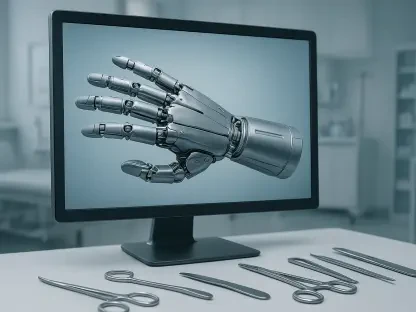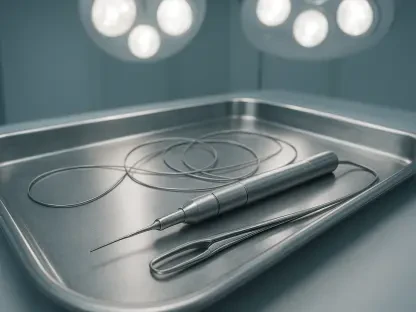

Recent cadaver trials have demonstrated that 3D-printed forceps often lack the necessary grip strength to securely hold surgical needles during complex procedures. This discovery highlights a significant technical gap in the quest to utilize additive manufacturing for life-saving interventions in

The intersection of digital technology and medical life-support systems has created a revolutionary era of patient care, yet this progress comes with a shadow of profound vulnerability. Novocure implemented containment measures and launched an internal investigation after detecting unauthorized

With only 23% of the world’s 1.4 billion hypertensive adults having their condition under control, the demand for advanced circulatory visualization has never been more critical. The landscape of cardiovascular medicine is currently undergoing a profound transformation, fueled by a synergy of

Medical professionals currently face the challenge of transporting unstable stroke patients to radiology suites, a hurdle that portable electromagnetic imaging is designed to solve. EMvision Medical Devices has emerged as a leader in this transition, moving neurological diagnostics from heavy,

The traditional neurologist’s office is increasingly being supplemented by sophisticated algorithms that analyze how we interact with everyday technology to provide a more comprehensive view of patient health. The development of high-quality, structured resources like RobustPDx is a foundational

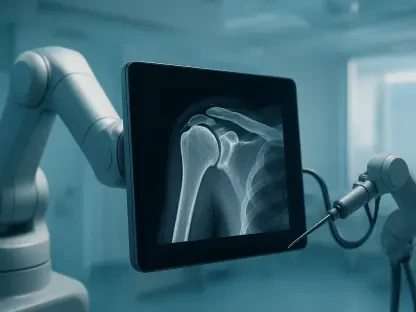
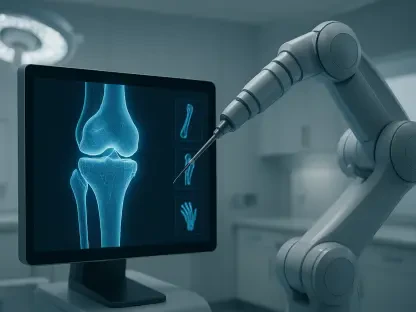
Institutional investors are shifting their focus from automotive assembly lines to medical operating rooms as precision engineering begins to redefine clinical standards of care. While the foundation of the robotics sector was built upon the heavy machinery used in vehicle manufacturing, the