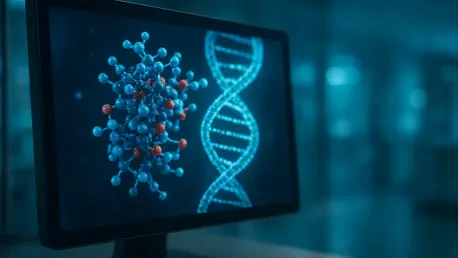
The synergy between AI-driven predictions and extensive clinical research marks a fundamental change in how the medical community approaches individualized patient care in oncology. This evolution transitioned the field from reactive treatments to proactive interventions based on massive datasets.

The 2027 proposal distinguishes the act of acquiring clinical data from the subsequent computational transformation into diagnostic insights. For a decade, the medical community has focused on whether artificial intelligence can accurately diagnose disease, a question that has largely been answered

Artificial intelligence now allows cybercriminals to craft highly convincing phishing attempts that target the specific vulnerabilities of healthcare personnel. This evolution in digital warfare has reached a point where the traditional boundaries between medical engineering and information
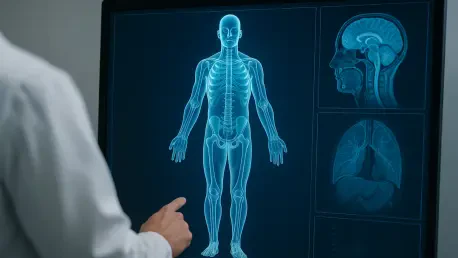
The sheer demand for high-tech health assessments is evidenced by a global waitlist of over 350,000 people eager to access Neko Health’s specialized diagnostic suite. This surge in interest reflects a broader cultural shift away from the reactive nature of traditional medicine toward a more

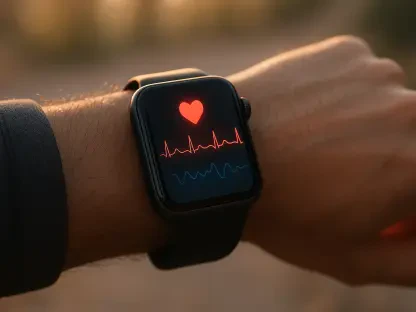
The health coach interface within the Google Health app uses generative AI to provide workout suggestions that feel more like human advice than rigid algorithms. This development reflects a broader transition in the wearable technology sector toward "ambient" hardware, which focuses on meaningful
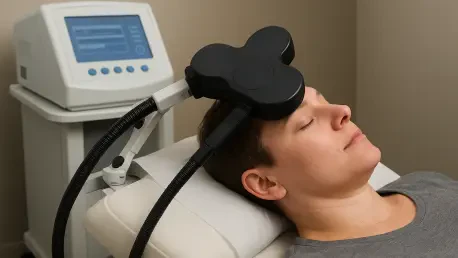
A staggering 6,000% increase in employer interest in neuromodulation suggests that interventional psychiatry is rapidly moving from a niche last resort to a mainstream healthcare demand. This dramatic shift highlights a broader transformation within behavioral health, where Transcranial Magnetic