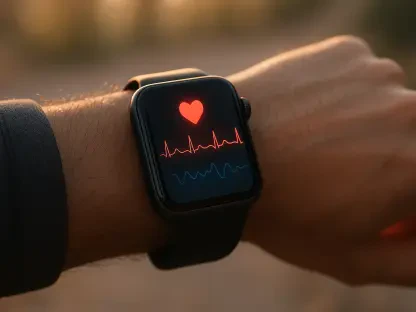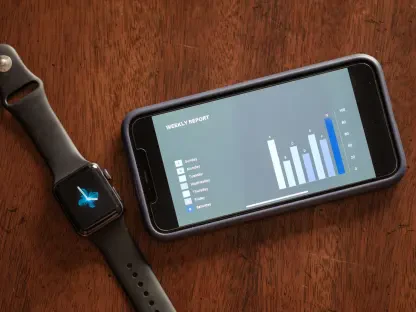

The industry consensus suggests that the future of health technology lies in the seamless synthesis of biological data into proactive, contextual intelligence. The ubiquity of smart devices has transformed humans into walking data points, yet the sheer volume of information often creates more confusion than clarity for the average user. While the hardware market has perfected the art of tracking every heartbeat and breath, the software experience remains largely stuck in a retrospective loop that demands significant manual effort to decode. Users are frequently overwhelmed by high-level metrics that lack direct relevance to their immediate needs or daily routines. Instead of just another dashboard, the next generation of wearable systems must act as a personal navigator, translating complex physiological shifts into simple, actionable guidance. This shift marks the end of the era where numbers were the goal and the start of meaningful technology.
The Evolution of Intelligent Wearable Architecture
Establishing a Foundation: The AI-Native Operating System
Vilo has introduced Signal OS to specifically address the limitations of traditional wearable platforms by focusing on an artificial intelligence-native design. Unlike legacy operating systems that were adapted from smartphones to fit smaller screens, this new architecture was built from the ground up to prioritize background processing and contextual awareness. Led by industry veterans such as Gee Gu and Andy Xu, who previously pioneered robotics and conversational AI, the development team focused on creating a system that functions as an intelligent agent. The platform aims to move away from the “dashboard-first” mentality that has dominated the sector for the last decade. By leveraging sophisticated algorithms, Signal OS can distinguish between noise and significant biological events, ensuring the user only receives information that requires attention. This proactive approach ensures the device serves the human, rather than the human managing the device’s alerts.
Delivering Insight: The Role of Contextual Signals
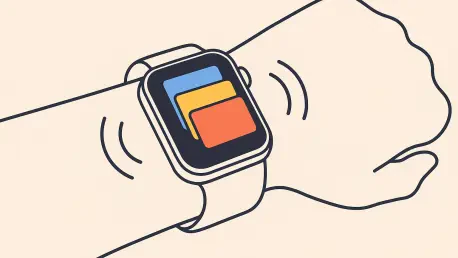
One of the most distinctive features within this operating system is the implementation of “Signals,” which are context-aware cards that surface at critical moments throughout the day. Rather than forcing a user to dig through deep menus to find a specific metric, the system identifies patterns and presents the most relevant data automatically. For example, if the system detects a significant drop in recovery scores alongside environmental changes, it may suggest specific adjustments to the user’s evening routine. This interaction layer is designed to be “quietly proactive,” remaining unobtrusive until its insights are truly valuable. By using this method, Vilo seeks to foster long-term habit formation through subtle, timely interventions rather than constant notifications. This philosophy reflects a broader trend toward calmer technology that respects the user’s focus while providing high-level support. This strategy is essential for moving wearables from niche gadgets to life tools.
Practical Applications: Contextual Bio-Monitoring
Interpreting Specialized Health DatThe Women’s Health Context
A significant portion of the Signal OS architecture is dedicated to specialized health layers, most notably the integration of comprehensive women’s health monitoring. This feature goes beyond basic period tracking by analyzing how hormonal cycles and various life stages influence energy, basal body temperature, and physical recovery. By interpreting these biological signals within the context of the user’s specific life stage, the operating system can provide a much more nuanced perspective on daily wellness. For instance, the system might recognize that a slight increase in resting heart rate is a normal hormonal shift rather than a sign of overtraining. This level of interpretation prevents unnecessary stress and allows for more effective planning of activities. By focusing on wellness and self-understanding, the platform empowers users to work with their bodies instead of fighting against them, creating a more harmonious relationship between humans and their technology.
Shifting Perspectives: From Measurement to Meaningful Action
In the past, the industry focused heavily on the accumulation of data, but the focus eventually shifted toward actionable next steps and behavioral changes. Organizations recognized that for wearables to remain relevant, they had to offer more than just a history of what happened; they needed to provide a roadmap for what to do next. To implement this, users adopted personalized “Kits” and conversational tools like “Chat with Vibes” to query their biological history in a natural way. This allowed individuals to gain deeper insights into their recurring rhythms and adjust their lifestyles accordingly. Moving forward, the emphasis remained on refining AI models to ensure they stayed grounded in individual user context rather than generic averages. The effective strategy involved staying engaged with proactive signals while using historical dashboards for deep dives. This approach ensured that technology served as a supportive partner in the pursuit of sustained health and well-being.