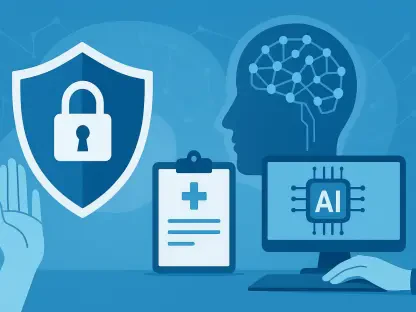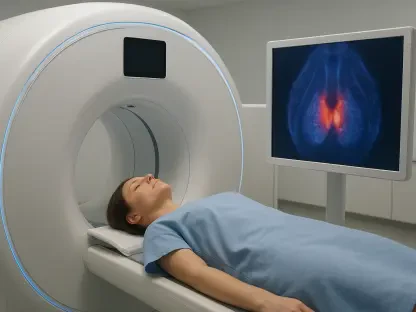

The silent hum of a fax machine once signaled the height of medical communication, but today that sound has been replaced by the invisible pulse of high-speed data streams rewriting the rules of patient care. While other global industries fully embraced the digital revolution decades ago, the medical field remained tethered to manual filing systems and physical paperwork for an surprisingly long time. However, a massive shift is currently underway as sophisticated artificial intelligence and federal overhauls of health records move the industry toward a digital-only ecosystem. This transition is not merely a matter of convenience; it represents a fundamental restructuring of how care is delivered and monitored in a modern clinical setting.
A staggering percentage of medical errors is still attributed to fragmented communication and delayed data, making this metamorphosis a necessity rather than a luxury. The integration of advanced technological hubs is replacing the old “paper-first” mentality that once defined hospital administration. By removing the physical barriers to information, providers are finally creating a more fluid and responsive environment for their patients. This evolution ensures that vital statistics and medical histories are no longer trapped in a folder on a desk but are instead accessible to the entire care team at the touch of a button.
Why the Digital Shift is a Non-Negotiable Priority for Modern Care
The stakes for digital innovation in the healthcare sector have reached an all-time high as the industry grapples with historic levels of provider burnout and rising patient expectations. Traditional manual workflows have proven to be unsustainable in an era where speed and precision are paramount to saving lives. The push for interoperability—the seamless communication between disparate digital systems—is now a requirement for maintaining patient safety across different facilities. When medical records are trapped in isolated silos, treatments are inevitably delayed, and the resulting administrative costs skyrocket, placing an unnecessary burden on the entire health system.
By examining the current technological trajectory, it becomes clear that digital tools are moving beyond their status as “flashy gadgets” to become the essential backbone of a global health infrastructure. Patients now demand transparency and real-time access to their own data, mirroring the experiences they have in every other facet of modern life. Consequently, healthcare organizations that fail to prioritize these digital transitions risk falling behind in both quality of care and operational viability. The move toward a more equitable and efficient system depends on the successful implementation of these invisible but vital digital threads.
Transforming the Pillars of Clinical and Operational Efficiency
Modernizing medical record retrieval has become a cornerstone of this transformation, specifically through the use of centralized digital hubs. Platforms like Datavant’s Provider Exchange are leading the way by leveraging networks of over 80,000 provider sites to ensure real-time visibility and data scalability. This allows hospitals to move away from the fragmented communication of the past, ensuring that when a patient moves between specialists, their data arrives before they do. This reduction in “manual friction” is a primary catalyst for improving patient outcomes and reducing the time spent on administrative busywork.
On the federal level, the push for universal interoperability has seen the Department of Veterans Affairs expand its unified Electronic Health Record system to major hubs like the Northern Indiana Health Care System and the Richard L. Roudebush VA Medical Center. This initiative has already reached over 600,000 veterans and 35,000 clinicians in 2026, aiming to create a consistent and error-free network by 2031. Meanwhile, safety organizations like ECRI are establishing rigorous reporting networks to track AI “hallucinations” and inaccuracies. By documenting these errors, the industry can ensure that clinical AI remains an accountable tool rather than a source of automated risk.
The human element of care is also being enhanced through real-time rounding platforms such as Q-rounds, which bridge the gap between clinical teams and families. At Novant Health, this technology allows family members to participate in bedside decisions remotely, turning a stressful hospital stay into a more inclusive and transparent experience. Additionally, efforts to close the digital divide are gaining momentum through multi-million dollar grants aimed at the nursing workforce. Initiatives by the American Nurses Enterprise are currently training rural nurses in AI literacy and ethical implementation, ensuring that technological progress does not leave underserved communities behind.
Insights from the Front Lines of Medical Innovation
Expert voices from across the medical landscape argue that the “downstream impacts” of new technology are just as critical as the initial launch of a software platform. Research conducted by ECRI indicates that nearly one-third of healthcare leaders have already encountered misleading AI outputs, a statistic that highlights the urgent need for constant human oversight. Scott Lucas of ECRI noted that while innovation is moving at a breakneck pace, the industry must develop a deeper understanding of how these tools affect long-term patient safety. The goal is not to replace the clinician but to provide them with a more reliable and verified set of data points.
Leaders at Novant Health and Datavant emphasize that technology should serve as a bridge to human connection rather than a barrier that stands between a doctor and a patient. Andrea Kowalski of Datavant suggested that the most successful innovations are those that prioritize the “patient-centered” experience over mere technical complexity. When digital tools are designed with the end-user in mind, they reduce the stress of the medical environment for both the provider and the recipient. These firsthand perspectives suggest that the true value of digital health lies in its ability to return time to the clinician, allowing them to focus on the art of healing.
Strategies for Navigating and Implementing Digital Health Tools
To successfully navigate this landscape, healthcare leaders prioritized a thorough audit of their current data workflows to identify specific bottlenecks where paperwork still caused delays. They recognized that identifying these friction points was the first step toward improving the speed of specialty referrals and ensuring a better continuity of care. Organizations also moved to implement internal protocols for reporting and vetting AI-generated clinical suggestions. This proactive approach to risk management helped prevent “automated errors” from entering the treatment pipeline, maintaining a high standard of clinical excellence.
Furthermore, forward-thinking facilities leveraged available grants to ensure that their frontline staff remained proficient in new digital tools through consistent upskilling. They integrated real-time notification systems that allowed families to stay informed about clinical decisions as they happened, fostering a culture of transparency. Finally, these organizations transitioned toward unified, cloud-based systems that supported long-term interoperability across different networks. These steps ensured that the digital shift resulted in a more resilient health system that focused on scalable infrastructure and improved the lives of everyone involved in the care journey.