
The synergy between AI-driven predictions and extensive clinical research marks a fundamental change in how the medical community approaches individualized patient care in oncology. This evolution transitioned the field from reactive treatments to proactive interventions based on massive datasets. By 2026, the integration of machine learning into clinical workflows ceased to be an experimental novelty and became a standard requirement for high-volume cancer centers. These advanced systems process disparate information—ranging from electronic health records to high-resolution pathology slides—to identify patterns that the human eye cannot detect. The precision offered by these technologies allows oncologists to move beyond broad chemotherapy regimens that often carry severe side effects. Instead, the focus shifted toward molecularly targeted therapies that address the unique genetic landscape of a specific tumor. This digital transformation empowered physicians to predict patient responses with unprecedented accuracy before a single dose is administered.
Advanced Pattern Recognition in Modern Diagnostics
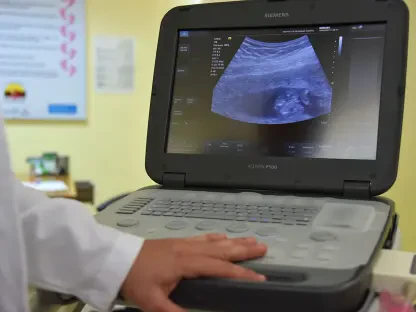
Contemporary diagnostic frameworks rely heavily on computer vision algorithms to interpret radiological images with a level of granularity previously thought impossible. In the landscape of 2026, deep learning models trained on millions of labeled scans are now identifying malignant lesions in lung and breast tissue significantly earlier than traditional manual review methods. These tools do not merely flag potential issues; they quantify the likelihood of malignancy and suggest the most effective biopsy sites to minimize invasive procedures. Furthermore, natural language processing models have bridged the gap between unstructured clinical notes and structured diagnostic data, ensuring that no patient history detail is overlooked. The ability to cross-reference a patient’s current imaging results with historical trends across a global database has dramatically reduced the rate of false positives. This systematic refinement of screening protocols ensures that healthcare resources are allocated to those in the most critical need of immediate intervention.
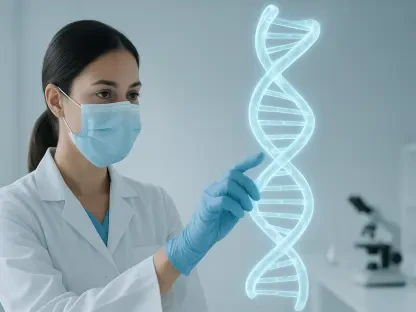
Beyond visual analysis, the emergence of multi-omics integration has redefined the diagnostic phase by combining genomic, proteomic, and metabolomic data. Machine learning platforms now synchronize these complex biological layers to provide a holistic view of a patient’s physiological state. For instance, sophisticated algorithms can correlate specific protein expressions with genetic mutations to predict the aggressive nature of a tumor before it metastasizes. This comprehensive approach allows for the development of “biological fingerprints” for each case, facilitating a level of personalization that was once purely theoretical. As these systems learn from new data, they continuously refine their predictive capabilities, creating a feedback loop that improves survival rates. The result is a more resilient diagnostic infrastructure that can anticipate complications such as drug resistance or adverse systemic reactions. This transition toward data-heavy diagnostics represents the most significant leap since the mapping of the human genome.
Strategic Evolution of Clinical Implementation
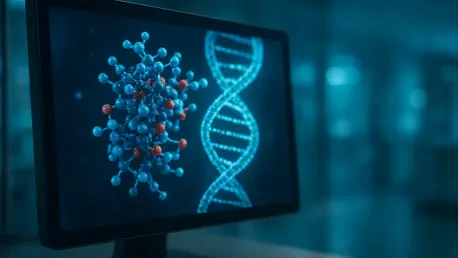
The application of artificial intelligence in drug discovery has accelerated the timeline for bringing novel oncology treatments to market. In the current environment, generative models are utilized to design molecular structures that specifically target oncogenic proteins while sparing healthy cells. This methodology reduces the reliance on traditional trial-and-error chemistry, which historically resulted in high failure rates during early-phase studies. By 2026, researchers have successfully used these AI-generated leads to develop therapies for rare cancers that were previously considered “undruggable.” These platforms analyze chemical libraries at speeds that human teams could not match, identifying potent compounds in days rather than years. Moreover, the ability to simulate how these molecules interact with human biology in a virtual environment has allowed scientists to predict toxicity profiles with remarkable precision. This preemptive screening ensures that only the most promising candidates advance to human testing.
The legacy of this period was defined by the realization that technology was most effective when it augmented, rather than replaced, human empathy and clinical judgment. Practical steps for the industry involved the creation of independent oversight boards to monitor for algorithmic bias and ensure transparency in how AI recommendations were generated. Medical education programs successfully integrated bioinformatics into their core curricula, ensuring that the next generation of oncologists was equipped to handle data-driven decision-making. Furthermore, the implementation of federated learning protocols addressed long-standing concerns regarding patient privacy and data security. Organizations that prioritized interoperability across various software platforms saw the most significant improvements in patient outcomes. This period also marked a concerted effort to expand access to precision tools for underserved populations to prevent a digital divide in healthcare. This commitment to equitable innovation ensured that the benefits of the AI revolution reached every corner of the oncology field.