
The health coach interface within the Google Health app uses generative AI to provide workout suggestions that feel more like human advice than rigid algorithms. This development reflects a broader transition in the wearable technology sector toward “ambient” hardware, which focuses on meaningful health monitoring without the constant distraction of a digital display. The Google Fitbit Air stands at the forefront of this movement, specifically engineered for those who want to distance themselves from the notification-heavy culture of modern smartwatches. By removing the visual interface entirely, the focus shifts toward a more disciplined and intentional experience that centers on long-term wellness rather than immediate digital dopamine hits. This screenless approach allows the device to function as a silent companion that operates entirely in the background of a user’s life, bridging the gap between sophisticated data science and a minimalist lifestyle that values presence.
Engineering for Comfort and Durability
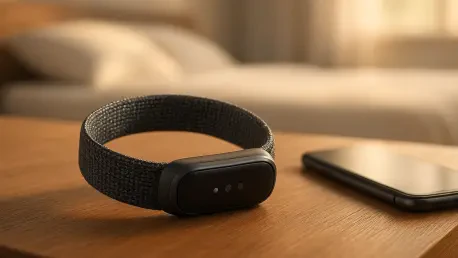
The structural integrity and physical profile of the device represent a major milestone in material engineering, as it weighs only 12 grams to ensure it remains virtually unnoticeable during the day. Many historical competitors relied on standard silicone bands that often led to skin irritation or discomfort during prolonged use, but this unit utilizes a soft, textile woven loop specifically optimized for 24/7 wear. This emphasis on comfort is not merely a luxury but a fundamental requirement for accurate health tracking, as the quality of biometric data depends heavily on the user’s willingness to wear the device consistently through sleep cycles and intense physical activities. By prioritizing a “set it and forget it” design philosophy, the hardware avoids the common pitfall of being too bulky or intrusive for casual users. The resulting form factor is sleek enough to be worn alongside traditional jewelry or watches, effectively disappearing into the user’s personal aesthetic while maintaining sensor contact.
Beneath the understated exterior lies a powerful sensor array capable of monitoring heart rate variability, peripheral oxygen saturation, and minute changes in skin temperature. To maintain the slim silhouette without compromising on performance, the internal architecture offloads intensive GPS processing to a paired smartphone, which significantly enhances the overall energy efficiency of the system. This strategic design choice enables a remarkable seven-day battery life, ensuring that the tracking process is rarely interrupted by the need for a power source. When charging is necessary, a specialized fast-charging system provides a full day of operational power in just five minutes, minimizing the “down-time” that often leads to gaps in physiological data. Such reliability is crucial for developing a complete picture of cardiovascular health and recovery over extended periods. The hardware effectively balances the need for high-fidelity data collection with the constraints of a small, screenless chassis.
Transforming Data into Dialogue with Gemini AI
What truly distinguishes this device from previous iterations of fitness trackers is the deep integration of Gemini AI, which evolves the platform from a passive data logger into an active health coach. Instead of overwhelming the user with a confusing assortment of raw charts and numerical values, the AI-driven interface provides conversational and context-aware guidance through the mobile application. This allows the system to interpret the nuances of a user’s physiological state, such as recognizing when a high-intensity workout might be detrimental due to signs of fatigue or impending illness. By suggesting a rest day or a light walk instead of a rigorous run, the AI demonstrates a level of empathy and understanding that was previously unavailable in consumer-grade wearables. This shift toward “genuine utility” ensures that the information gathered actually influences daily behavior in a constructive manner, rather than just serving as a repository for historical health statistics.
Interaction with the health ecosystem occurs through a sophisticated chat-based interface where users can ask specific questions about their recovery scores or sleep hygiene. The ability of the AI to synthesize multiple data points into a single, coherent narrative helps demystify complex biometric markers like heart rate variability or metabolic trends. Furthermore, the system employs advanced motion-sensing algorithms to automatically detect physical activity, which removes the friction of manual data entry that often discourages long-term use. This organic approach to tracking ensures that the user can focus entirely on their performance or relaxation without worrying about starting or stopping a workout timer. By providing actionable insights that feel supportive rather than demanding, the platform successfully bridges the gap between raw biometric information and meaningful lifestyle improvements. This creates a feedback loop where the user feels empowered by their data rather than being enslaved by the pursuit of “perfect” numbers.
Challenging the Industry Standard
In the current competitive landscape, this screenless tracker is often positioned as a more accessible alternative to specialized performance monitors like the Whoop band. While professional-grade devices have traditionally catered to elite athletes who require high-density data and granular physiological metrics, the Fitbit Air targets the everyday individual looking for balance. It intentionally avoids the phenomenon of “data overload,” which can lead to user fatigue and a sense of being overwhelmed by too much information. Instead, the focus remains on essential metrics such as readiness scores and sleep quality, which provide the most significant impact on general well-being. This prioritization ensures that the user is not distracted by niche statistics that may not be relevant to their personal fitness journey. By offering a streamlined experience, the device manages to maintain high levels of engagement among a broader demographic that might find more complex systems too intimidating or time-consuming.
The financial structure associated with this hardware also presents a compelling case against the high-cost subscription models that have become standard in the industry. With a retail price point kept under $100 and a flexible subscription tier that integrates with existing Google AI services, it offers a more sustainable long-term value proposition for the average consumer. Many competitors require a permanent monthly commitment that can exceed the initial cost of the hardware within the first year of ownership, creating a barrier to entry for many potential users. By contrast, this model provides high-end intelligence and cloud-based analysis without the heavy financial burden of an expensive, mandatory fee. This democratization of health technology allows a wider audience to benefit from advanced AI coaching and precision tracking. The strategic combination of affordable hardware and tiered digital services positions the device as a pragmatic choice for those who value both technical sophistication and fiscal responsibility.
The Strategic Evolution: Future Considerations and Actionable Insights
The implementation of screenless tracking technology demonstrated a clear path forward for users who prioritized mental clarity alongside physical health. Early adopters found that moving away from constant wrist-based notifications reduced their overall stress levels while maintaining a high degree of awareness regarding their physiological status. To maximize the benefits of this system, individuals established consistent wear patterns and utilized the AI chat interface to set realistic, incremental goals that aligned with their unique lifestyles. This proactive engagement helped transform the device from a simple accessory into a foundational tool for behavioral change. Those who integrated the tracker successfully often combined the biometric feedback with other mindful practices, creating a holistic approach to wellness that extended beyond the digital realm. By focusing on long-term trends rather than daily fluctuations, users were able to cultivate a more resilient and informed relationship with their bodies.
Looking toward the future of personal health management, the success of ambient wearables suggested that the next phase of development would focus on even deeper biological integration and predictive analytics. The shift away from visual interfaces likely encouraged a more intuitive understanding of health, where users learned to listen to their internal signals rather than relying solely on external screens. As AI models continue to refine their ability to provide personalized advice, the distinction between a digital coach and a human trainer will likely continue to blur. This evolution pointed toward a world where technology serves as a quiet enabler of human potential, rather than a constant source of distraction. For those entering the market today, the decision to choose a screenless tracker represented a commitment to a focused, data-informed life that honored both physical progress and psychological well-being. This balanced trajectory ensured that health technology remained a supportive partner in the pursuit of a higher quality of life.