
The sheer demand for high-tech health assessments is evidenced by a global waitlist of over 350,000 people eager to access Neko Health’s specialized diagnostic suite. This surge in interest reflects a broader cultural shift away from the reactive nature of traditional medicine toward a more proactive, data-driven approach to human longevity. Founded by Spotify creator Daniel Ek and Hjalmar Nilsonne, the venture recently secured a massive $700 million in Series C funding, which effectively pushes its total valuation into the billion-dollar territory. This capital influx is primarily earmarked for an aggressive expansion into the United States market, beginning with a flagship clinic in the heart of New York City. The investment round attracted high-profile figures such as Mark Zuckerberg and Maria Sharapova, signaling that the convergence of technology and personal wellness is no longer a niche interest but a significant macroeconomic trend that challenges existing healthcare frameworks globally.
Engineering a High-Tech Diagnostic Experience
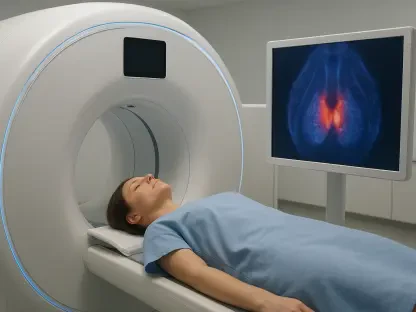
The core of the Neko Health methodology lies in a streamlined, sixty-minute appointment that consolidates several advanced diagnostic procedures into a singular, cohesive visit. During this intensive session, proprietary hardware captures more than 2,000 high-resolution images of the body to construct a comprehensive digital map of the skin. This level of detail is intended to detect even the most minute changes in dermatological health that might escape the naked eye during a routine physical. By automating the visual documentation process, the system provides an objective baseline for every patient, effectively removing the variability often associated with manual examinations. Furthermore, the integration of custom-built sensors allows for the simultaneous collection of cardiovascular data without the need for multiple visits to different specialists. This unified approach represents a fundamental departure from the traditionally fragmented experience of preventative screening.
Complementing the visual imaging component is a suite of physiological tests including an electrocardiogram, arterial stiffness measurements, and a thorough body-composition analysis. A significant differentiator for this model is the speed and efficiency with which biological samples are handled. Unlike traditional clinics that send blood work to external laboratories, these facilities process samples on-site using automated systems. This capability allows medical professionals to discuss metabolic markers, cholesterol levels, and other vital statistics with the client before they even leave the building. Such a real-time feedback loop is strategically designed to capitalize on the psychological window of high engagement that occurs during a medical appointment. By providing immediate results, the service encourages individuals to take immediate ownership of their wellness journey, transforming a passive check-up into an active dialogue about lifestyle adjustments.
Data Retention and the Power of Longitudinal Analysis
Before making its debut on American soil, the company established a robust operational footprint across Europe, specifically in the United Kingdom and Sweden. The consumer response in these markets was profound, with over 100,000 scans successfully completed. This high volume of early adoption underscores a growing segment of the population that is willing to pay out-of-pocket for premium health insights that are not typically covered by state-sponsored or traditional insurance plans. The success of these initial clinics proved that there is a viable market for prosumer healthcare, where individuals seek to manage their biological data with the same level of intensity they apply to their professional lives. This shift suggests that the future of medicine may increasingly depend on the consumer’s desire for transparency and speed, forcing established institutions to reconsider how they deliver preventative services to a more tech-savvy and demanding public.
A critical pillar of this business strategy is the achievement of an exceptionally high customer retention rate. Approximately three-quarters of the individuals who undergo an initial scan choose to prepay for their subsequent annual follow-up. This high level of repeat business is essential for the development of longitudinal data sets, which are far more valuable than any single snapshot of a person’s physical state. By building a historical record over several years, the artificial intelligence systems and human clinicians can identify subtle physiological trends or deviations that might otherwise be ignored. For example, a slight but consistent increase in arterial stiffness over three years might indicate a developing risk that a one-off test would miss. This focus on the trajectory of health metrics rather than static values allows for the early identification of chronic conditions, potentially allowing for interventions long before the onset of symptomatic disease.
Addressing Regulatory Boundaries and Clinical Skepticism
As the expansion into the United States progresses, the company must navigate a highly intricate and often unforgiving regulatory environment. While the firm has successfully secured Food and Drug Administration clearances for specific components of its technology, such as the cardiovascular sensors and skin-tracking devices, the entirety of the scanning suite has not yet been classified as a singular medical procedure. To mitigate potential legal and clinical complications, the clinics are currently positioned as wellness providers rather than traditional medical practices. This distinction is vital, as it emphasizes the role of the service as a supplementary screening tool rather than a definitive source of diagnosis or treatment. This careful branding allows the company to operate within current legal frameworks while it continues to gather the clinical data necessary to potentially seek broader medical certifications that would allow for deeper integration with insurance providers.
Despite the technological sophistication of the platform, it still faces significant scrutiny from the broader medical community regarding its long-term clinical utility. Critics frequently highlight the lack of comprehensive, peer-reviewed studies that prove annual full-body scans actually result in better health outcomes for the general population. One primary concern involves the issue of false positives, where highly sensitive sensors may flag benign irregularities that do not pose a genuine health risk. Such findings can lead to a phenomenon known as over-diagnosis, which often triggers a series of unnecessary, expensive, and sometimes invasive follow-up procedures. Furthermore, there is a risk that these alerts could cause significant psychological distress for patients without providing any actual therapeutic benefit. Balancing the benefits of early detection with the risks of over-testing remains one of the most significant challenges for the mainstream adoption of AI-driven preventative care.
Transforming Raw Information Into Actionable Medical Intelligence
The strategic use of artificial intelligence within these clinics is currently focused on enhancing the efficiency of the clinical workflow rather than replacing human judgment entirely. The AI algorithms are primarily utilized to synthesize the massive quantities of raw data generated during the 60-minute scan, distilling it into digestible summaries for the attending physicians. This allows the medical staff to focus their attention on interpreting complex results rather than spending hours manually reviewing thousands of high-resolution images. While the technology serves as a powerful assistant in the reporting process, human doctors remain responsible for the final consultations and the delivery of medical advice. This hybrid model ensures that the speed of technology is tempered by the experience and empathy of a trained professional, which is crucial for building trust with patients who may be overwhelmed by the sheer volume of data generated by their own bodies.
Looking ahead, a substantial portion of the newly acquired capital is dedicated to ongoing research and development aimed at expanding the scope of the diagnostic suite. One major area of focus involves the integration of data from consumer wearable devices, such as smartwatches and continuous glucose monitors, into the patient’s permanent health profile. By merging the high-fidelity data from an annual scan with the continuous, everyday monitoring provided by wearables, the company aims to provide a 360-degree view of a person’s physiology. Furthermore, there are active clinical trials currently underway to determine if the proprietary imaging technology can be validated for the formal diagnosis of specific conditions like early-stage melanoma. If successful, this would transition the service from a wellness-oriented screening tool into a powerful clinical diagnostic platform, significantly increasing its value to both the individual consumer and the broader healthcare infrastructure.
Shaping the Future of Preventive Care Models
The emergence of comprehensive scanning services provided a glimpse into a time when the burden of healthcare shifted from the hospital to the proactive individual. By leveraging the power of artificial intelligence and high-resolution imaging, these facilities demonstrated that it was possible to create a scalable model for early disease detection. The high demand for these services proved that consumers were no longer satisfied with the reactive nature of modern medicine and were instead seeking ways to gain control over their biological destiny. Although the industry faced hurdles regarding clinical validation and regulatory oversight, the groundwork was laid for a more personalized approach to wellness. Moving forward, the success of this paradigm likely depended on the ability to integrate these high-tech screenings into the standard continuum of care. Achieving this integration required clear evidence that preventative scans could reduce long-term costs and improve the quality of life.
Ultimately, the evolution of these advanced screening tools suggested that the future of public health was inextricably linked to the democratization of medical data. The industry moved toward a hybrid model where clinics operated alongside traditional hospitals, providing a constant stream of longitudinal insights that made health crises easier to manage. For individuals, the availability of such detailed information necessitated a higher degree of health literacy and a willingness to engage in preventive behaviors long before symptoms occurred. It also challenged governments and private insurers to rethink their reimbursement models to prioritize long-term prevention over short-term acute care. As more data became available, the medical community slowly adapted its protocols to include these high-resolution snapshots as part of a standard diagnostic toolkit. This transition marked a significant milestone in the shift toward a health system that valued the preservation of wellness as much as the treatment of disease.