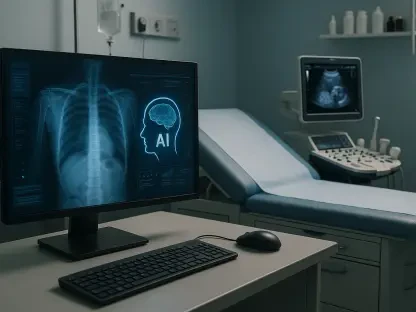

Ambient documentation technology represents a major step forward by using artificial intelligence to compose medical notes from natural clinical conversations. This development shifts the focus from the sheer power of an algorithm to how seamlessly it lives within the high-stakes environment of a medical facility. Historically, the excitement in the sector was reserved for the predictive power of models—how an artificial intelligence might spot a tumor earlier than a radiologist or how a wearable could predict a cardiac event. However, as 2026 progresses, the industry has realized that the raw capability of a tool is irrelevant if it does not reach the clinician at the right time. This logistical challenge, often referred to as the plumbing of healthcare, dictates the success or failure of any digital transition. Modern systems must prioritize implementation over pure innovation, ensuring that data flows as naturally as the conversation between a doctor and a patient. Without a robust and invisible infrastructure to support these tools, even the most advanced technologies remain confined to pilot programs and laboratory settings, failing to provide the widespread benefits that patients and practitioners now expect in a fully digital medical landscape. The true measure of progress is no longer the complexity of the code, but the simplicity of the user experience and the reliability of the underlying data delivery systems.
Establishing a Foundation for Interoperability
While the transition from paper-based files to electronic health records is largely complete, the current era is defined by a significant data fragmentation crisis. The move to digital formats promised a unified view of patient health, yet it often resulted in isolated silos where information is trapped in incompatible proprietary formats. Clinicians frequently encounter situations where a patient’s medical history is technically digital but remains functionally inaccessible because the systems at different facilities cannot communicate. This lack of standardization forces medical professionals to waste valuable time piecing together a narrative from disparate sources, which can lead to oversight and inefficiency. For example, from 2026 to 2028, the industry is expected to see a more aggressive push toward mandatory data standards to rectify these structural flaws. The frustration among practitioners is palpable when the necessary information exists on a screen but requires manual transcription or a separate login to view. This friction is not just a technical nuisance; it is a fundamental barrier to quality care that prevents the full realization of modern medicine’s potential. A fragmented record is effectively an incomplete record, which introduces risks that digital transformation was originally intended to eliminate.
True interoperability serves as the essential infrastructure upon which all other medical advancements are built, acting much like the foundation of a modern skyscraper. When systems share data seamlessly, the benefits are immediate and quantifiable, particularly regarding the reduction of redundant diagnostic procedures and unnecessary testing. Doctors are no longer required to order repeat blood work or imaging simply because they cannot access results from a neighboring clinic, which directly lowers the overall cost of care and optimizes resource allocation. Furthermore, connected systems enable the identification of long-term health trends that might be obscured in a single episodic encounter. By seeing a holistic view of a patient’s health over several years, providers can intervene earlier in chronic disease progression, leading to significantly improved outcomes. This level of connectivity ensures that the electronic health record acts as a facilitator rather than a gatekeeper, surfacing critical insights exactly when a clinical decision must be made. Success in this area requires that technical teams view interoperability not as a secondary feature to be added later, but as a core requirement for every piece of software introduced into the clinical workflow.
Balancing Continuous Data with Patient Engagement
The expansion of the Internet of Things into the medical sector has facilitated a shift from episodic monitoring to a model of continuous care. Patients are now equipped with sophisticated sensors that track everything from blood glucose levels and heart rates to respiratory function in real time, creating a vast sea of data that exists outside the clinic walls. While this provides a much more granular view of health, it also introduces the severe risk of alert fatigue for healthcare providers. If a system generates a notification for every minor fluctuation, the resulting noise can drown out the critical signals that actually require medical intervention. The technical challenge has evolved from simply collecting this data to intelligently filtering it so that only actionable exceptions are presented to the clinician. Modern implementations utilize advanced algorithms to suppress routine data points, ensuring that when a doctor receives an alert, it is meaningful and urgent. This approach protects the cognitive bandwidth of medical staff, allowing them to focus on the patients who need them most while maintaining a high standard of safety for the entire population under their care. Filtering is the necessary bridge between raw information and clinical wisdom.
The transformation of personal health records has fundamentally altered the relationship between patients and their healthcare providers, turning individuals into active participants in their own medical journeys. By providing direct access to laboratory results, clinical notes, and medication lists, healthcare systems are fostering a culture of transparency and accountability that was previously impossible. Evidence suggests that engaged patients are often the first to identify and correct errors in their medical history, such as outdated allergy information or incorrect medication dosages, which significantly enhances patient safety. However, this shift requires a delicate balance to ensure that the presentation of complex medical data does not cause unnecessary anxiety for the layperson. Releasing a pathology report before a clinician has had the chance to provide context can lead to confusion and fear, highlighting the need for systems that pair data access with educational resources. The most effective patient portals are those that translate technical jargon into understandable terms, empowering individuals to make informed decisions about their health without feeling overwhelmed by the complexity of the information provided. Transparency must be coupled with clarity to be truly effective.
Redefining Efficiency and Clinical Workflow
The most rigorous test for any technological implementation in the medical field is whether it returns time to the clinician or adds to their administrative burden. Early iterations of digital record systems were notorious for increasing the time spent on documentation, often forcing doctors to spend more time looking at a computer screen than at the person seeking their help. This phenomenon contributed to a significant increase in clinician burnout, as the administrative requirements of the job began to overshadow the actual practice of medicine. To address this, current innovations must be designed with a deep understanding of the clinical workflow, aiming to minimize the number of clicks and manual entries required to complete a task. Ambient AI solutions are particularly promising because they allow the record-keeping process to happen in the background, capturing the nuances of a clinical encounter without requiring the doctor to look away. If a tool requires a provider to step out of their primary environment or log into a separate portal, it is likely to be abandoned, regardless of how accurate or helpful its insights might be in a vacuum. Time is the most valuable resource in a clinic, and any technology that consumes it without clear benefit is a failure.
A truly next-generation healthcare system is not defined by the novelty of its gadgets but by the consolidation and intelligent application of the information it gathers. This involves creating an environment where intelligence is embedded directly into the record-keeping system, surfacing insights like potential drug interactions or diagnostic suggestions at the exact moment they are most relevant. The goal is to make the technology essentially invisible, allowing it to support the doctor-patient relationship rather than distracting from it with constant notifications and manual data entry requirements. As organizations look toward the period from 2026 to 2029, the focus is increasingly on measuring the impact of digital tools on actual clinical time, ensuring that digital serves as a synonym for efficient. By prioritizing tools that simplify the clinical picture and filter out the noise, the healthcare industry can ensure that the human element of medicine remains the central focus. The ultimate value of any technological advancement lies in its ability to protect the sanctity of the patient-clinician encounter, providing the data needed to make informed decisions without eroding the personal connection that is the heart of healing. Efficiency in 2026 is measured by the quality of the interaction, not just the quantity of the data points.
Implementing Integrated Strategies for Better Outcomes
Moving forward, healthcare organizations shifted their focus toward structural integration over pure innovation to bridge the gap between technological potential and clinical reality. Leaders prioritized the adoption of open-source data standards and application programming interfaces to ensure that new tools could communicate with existing electronic health records without friction. This approach involved a rigorous evaluation of every new software purchase, asking whether the tool would save minutes in a day or merely add another layer of complexity to an already crowded digital environment. Successful facilities also established dedicated committees to oversee the filtering of continuous monitoring data, setting clear thresholds for alerts to prevent practitioner exhaustion. By focusing on these structural improvements, systems began to reclaim the time that was lost during the first wave of digitization. These steps ensured that technology acted as a silent partner in the exam room, enhancing the provider’s capabilities rather than competing for their attention, which ultimately led to a more sustainable and patient-centered model of modern medical practice.
Beyond the immediate technical adjustments, the industry recognized that the true success of data integration depended on the cultural shift within medical education and professional development. Institutions updated their curricula to emphasize data literacy alongside clinical skills, ensuring that the next generation of providers could navigate a high-tech landscape with confidence. The implementation of robust data governance policies ensured that patient privacy remained a top priority, even as records became more accessible and interconnected than ever before. This period saw a transition where medical technology was no longer viewed as an external tool, but as an intrinsic component of the healing process. By treating software architecture with the same seriousness as surgical technique, the healthcare sector successfully mitigated the risks of digital over-saturation. These efforts established a precedent for future developments, where the human element of care was protected by a foundation of reliable, integrated, and actionable data. This holistic strategy provided the necessary framework for a healthcare system that was as resilient as it was innovative.