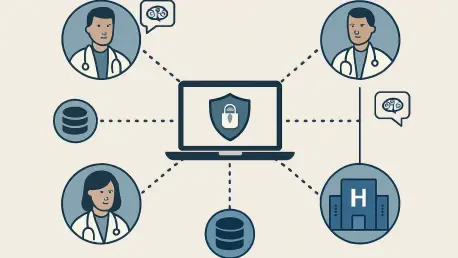
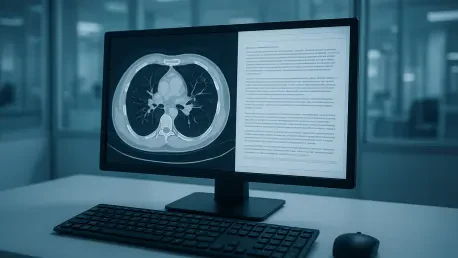
Building on its existing enterprise-grade operating system, Aidoc’s new investigational tool integrates generative AI directly into the workflows used by medical professionals. This represents a fundamental shift in diagnostic radiology by moving beyond simple flagging of abnormalities toward
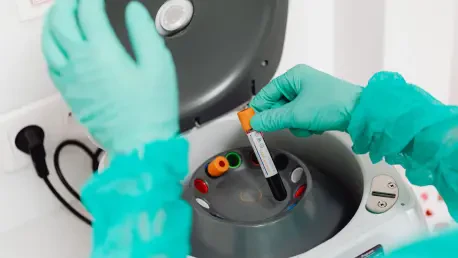
By utilizing off-the-shelf electronic components and real-time auditory feedback, a new smart device allows individuals with no prior lab experience to perform high-level diagnostic tasks. This breakthrough addresses a critical bottleneck in the 2026 healthcare landscape, where the demand for
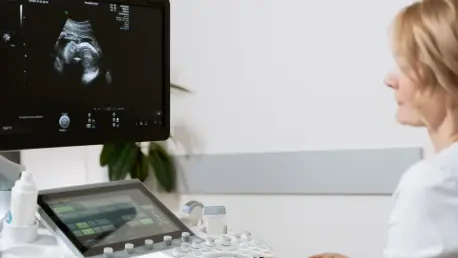
Recent clinical findings indicate that nearly half of patients with an initial negative scan undergo significant treatment modifications following a second imaging attempt. This discovery challenged the traditional reliance on a single diagnostic window, highlighting a critical blind spot in the
Large-scale consortia involving AstraZeneca and Isomorphic Labs are demonstrating that AI is no longer an emerging technology but a core R&D component. This shift represents a fundamental change in how biological targets are identified and validated, moving away from the high-risk, trial-and-error
With only 23% of the world’s 1.4 billion hypertensive adults having their condition under control, the demand for advanced circulatory visualization has never been more critical. The landscape of cardiovascular medicine is currently undergoing a profound transformation, fueled by a synergy of

The traditional neurologist’s office is increasingly being supplemented by sophisticated algorithms that analyze how we interact with everyday technology to provide a more comprehensive view of patient health. The development of high-quality, structured resources like RobustPDx is a foundational