

The velocity of predictive AI adoption in healthcare environments currently moves far faster than the traditional regulatory frameworks and protocols that govern medical research progress. This acceleration has transformed the clinical landscape into a high-tech frontier where algorithms often

The true cost of deploying agentic AI in a hospital setting is often driven by the necessary investments in cloud strategy, compute power, and high-speed bandwidth required for real-time task execution. Beyond these hardware and networking essentials, the industry is witnessing a fundamental shift
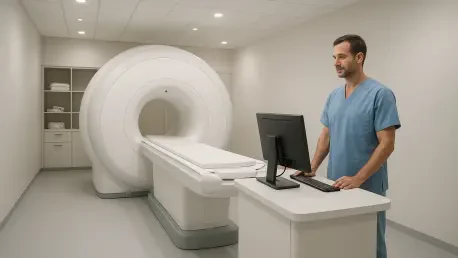
The rapid evolution of medical technology has fundamentally changed how radiologists approach patients with metallic implants. Clinical safety protocols rely on a rigorous verification process known as the identification pyramid, which prioritizes the physical implant card as the definitive source

Many patients interact with AI symptom checkers that have never undergone federal review for clinical accuracy, highlighting a critical gap in consumer understanding of regulated software. The Food and Drug Administration is currently at a crossroads as it seeks to overhaul its traditional

Modern medical environments treat human attention as a finite and precious resource, yet a single nurse often manages multiple patients simultaneously without constant visibility. This structural imbalance creates a dangerous environment where the demand for vigilance far exceeds the physical

Sophisticated algorithms identify subtle patterns in medical datasets that often escape the human eye due to fatigue or cognitive bias during manual clinical assessments. This capability has redefined the baseline for accuracy in modern hospitals, shifting the emphasis from managing advanced