
The launch of the FLEXLAB-X system in Cairo represents a significant shift toward high-capacity diagnostic infrastructure capable of supporting the growing medical needs of the regional population. As clinical demands continue to surge across the Middle East, the pressure on diagnostic laboratories

Standalone AI tools like Claude and Gemini are now performing on equal footing with interpersonal networks when it comes to initial symptom checking. As the National Health Service continues to face unprecedented demand, millions of UK residents are bypassing traditional wait times by consulting

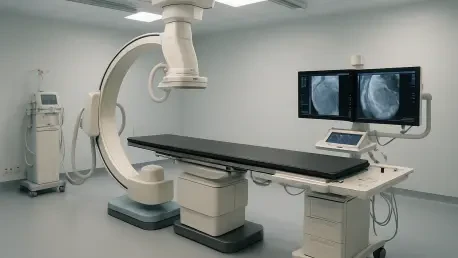
The human vascular system resembles a sprawling, intricate map that requires the highest level of navigational precision to manage life-threatening conditions effectively. The angiography equipment sector is expected to maintain a steady long-term compound annual growth rate of 8.0% through the
The shift toward mobile health intelligence seeks to move medical care away from reactive clinic-based models and toward proactive, continuous, and home-based monitoring paradigms. This evolution is led by researchers at the University of Maryland, Baltimore County, who focus on transforming

Therapists in the Pittsburgh area are increasingly framing AI as a digital best friend that has read a few articles rather than a clinical authority to help patients maintain rational skepticism. This strategic reframing serves as a necessary buffer against the growing tendency of users to

A significant portion of insured patients identify the slow pace of authorization approvals as their primary obstacle when trying to access necessary treatment. This administrative bottleneck often leads to delayed procedures, increased clinician burnout, and frustrated patients who are left