
Technical infrastructure for yoga apps must now support lag-free high-definition streaming to thousands of simultaneous users to prevent immediate subscriber churn. This baseline requirement represents a seismic shift in how wellness platforms are engineered across the United States. As traditional studios increasingly serve as boutique hubs, the heavy lifting of daily practice has migrated to sophisticated mobile ecosystems. Modern American practitioners no longer view these apps as mere repositories for recorded videos; they expect an immersive, high-performance environment that mirrors the intensity and clarity of a live session. This demand necessitates a departure from standard software development life cycles toward specialized architectures that prioritize low latency and high reliability. The competitive landscape in the USA fitness market is unforgiving, where a single frame drop during a delicate balance pose can disrupt a user’s flow and lead to a canceled subscription. Consequently, developers are focusing on robust Content Delivery Networks and edge computing to ensure that whether a user is in a high-rise in Manhattan or a rural area in Montana, the experience remains flawlessly consistent. This technical evolution is not just about video quality but about building a foundation for the sophisticated interactive features that define the current era of digital wellness.
Artificial Intelligence and Computer Vision: The Rise of the Virtual Instructor
The implementation of advanced computer vision has fundamentally altered the role of the smartphone camera within the yoga ecosystem. Modern applications utilize neural engines and on-device processing to perform real-time skeletal mapping, tracking up to 33 distinct keypoints on the practitioner’s body. This technology allows the application to function as a digital mentor, identifying subtle misalignments in poses like Chaturanga or Warrior II that could lead to joint strain or injury. By providing instantaneous visual or auditory cues, these apps bridge the gap between self-guided practice and the watchful eye of a certified instructor. This level of precision is achieved through complex machine learning models that have been trained on millions of frames of professional practitioners. The result is a system that can distinguish between a deliberate variation of a pose and a technical error caused by fatigue. This capability not only enhances the safety of home-based exercise but also provides users with a tangible sense of progression, as they can see their alignment scores improve over time through detailed post-session analytics.
Beyond mere pose correction, the integration of behavioral AI is creating hyper-personalized wellness journeys that adapt to the user’s specific physiological and psychological state. Rather than offering a generic “Beginner” or “Advanced” track, these platforms analyze historical performance data, session duration, and even the speed of movement to refine future recommendations. For instance, if the system detects that a user consistently struggles with balance during morning sessions but excels in evening flexibility flows, it will automatically recalibrate the difficulty of upcoming routines to optimize for these patterns. These adaptive models are becoming increasingly sophisticated, incorporating longitudinal data to predict when a user is likely to hit a plateau or when they are at risk of overtraining. By shifting from reactive to predictive guidance, yoga apps are moving away from being static utilities and toward becoming intelligent health companions. This evolution is particularly crucial in the American market, where users value efficiency and highly tailored experiences that respect their limited time and unique physical constraints.
Wearable Interoperability and Healthcare Integration: Data-Driven Wellness
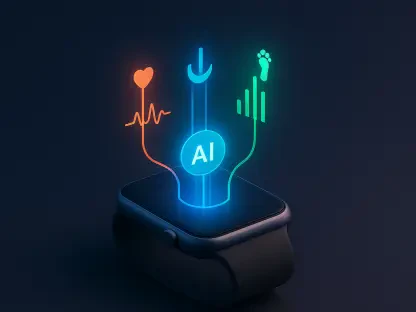
The convergence of the Internet of Things and wellness technology has made seamless wearable integration a non-negotiable feature for top-tier yoga applications. Modern platforms now synchronize with smartwatches and biometric rings to ingest a continuous stream of data, including heart rate variability, respiratory rates, and blood oxygen levels. This interconnectivity allows the application to move beyond the physical movements on the mat and consider the user’s overall state of recovery. If a wearable device reports a high stress score or poor sleep quality from the previous night, the yoga app can proactively suggest a restorative Yin session rather than a high-intensity Power Yoga class. This holistic approach ensures that the digital practice is always in alignment with the user’s current biological needs. Furthermore, the use of haptic feedback on wearable devices provides a discreet way to guide breathing patterns or signal the transition between poses, creating a multi-sensory experience that deepens the meditative quality of the practice without requiring the user to constantly look at a screen.
The technical requirements for these applications have further expanded to include medical-grade interoperability, allowing users to bridge the gap between fitness and formal healthcare. Developers are increasingly building features that allow for the secure export of biometric trends and progress reports to electronic health records or directly to a physical therapist’s dashboard. This functionality is transforming yoga apps into valuable tools for injury rehabilitation and chronic pain management within the broader American healthcare system. By utilizing standardized data protocols, these platforms ensure that the information gathered during a private yoga session can be used to inform professional medical decisions. This trend is driving a greater focus on data privacy and security, as platforms must now handle sensitive health information with the same rigor as clinical software. The ability to demonstrate a tangible impact on long-term health metrics, such as improved cardiovascular health or reduced cortisol levels, is becoming a primary differentiator for apps seeking to secure partnerships with health insurance providers and corporate wellness programs.
Backend Architecture and Business Strategy: Building for Scalability and Profit
A robust cloud infrastructure serves as the backbone for these sophisticated wellness platforms, enabling them to handle the massive data loads generated by thousands of concurrent AI-driven sessions. Scalability is achieved through microservices architectures that allow different components of the app, such as the video processing engine and the biometric data warehouse, to scale independently based on demand. In the United States, where peak usage times often coincide with early morning and post-work hours, this flexibility is essential for maintaining performance without incurring unnecessary overhead. Furthermore, the integration of global Content Delivery Networks ensures that high-definition content is cached closer to the end-user, minimizing the physical distance data must travel and virtually eliminating buffering. Security is another critical pillar of the backend strategy, with end-to-end encryption and decentralized data storage becoming standard practices to protect user privacy. As yoga apps collect increasingly intimate data, from video feeds of the home to heart rate patterns, the technical architecture must be designed to withstand sophisticated cybersecurity threats while remaining compliant with evolving state and federal privacy regulations.
The economic viability of these platforms depends on a strategic blend of diversified monetization models and constant content innovation. The industry has largely moved away from simple one-time purchases toward tiered subscription models that provide access to live-streamed events, exclusive workshops, and premium AI features. To maximize market share, developers are also exploring B2B opportunities, such as white-labeled versions of their platforms for large corporations or integration into the benefit packages of major insurance carriers. This shift requires a highly flexible backend capable of managing complex billing cycles and varied access permissions across different user segments. Because the digital wellness landscape moves with incredible speed, the relationship between a business and its technical partner must be one of continuous iteration. Successful platforms employ a DevOps approach, allowing them to deploy weekly updates, bug fixes, and new content without interrupting the user experience. This relentless focus on quality and innovation is what allows top-tier American yoga apps to maintain high engagement rates and long-term profitability in a market saturated with lower-quality alternatives.
Strategic Pathways: Navigating the Future of Wellness Technology
The successful implementation of these advanced technologies required a clear roadmap that prioritized user trust and technical stability above all else. Developers discovered that the most effective way to introduce complex AI features was to focus on solving specific, high-value problems, such as accurate pose feedback, before expanding into more speculative areas like emotional sentiment analysis. They invested heavily in gathering diverse datasets to ensure that motion tracking remained accurate across different body types, clothing styles, and lighting conditions. This commitment to inclusivity and precision was what eventually solidified the credibility of digital yoga platforms in the eyes of professional practitioners and skeptics alike. By establishing rigorous testing protocols and transparent data usage policies, these organizations built a foundation of trust that allowed for deeper integration into the daily lives of their users. This systematic approach to development ensured that technology served as an enabler of the practice rather than a distraction from it.
Strategic leaders in the wellness space recognized that the future of the industry depended on the ability to merge technical excellence with authentic human connection. They prioritized the development of community features, such as real-time group sessions and interactive challenges, which helped to replicate the social accountability of a physical studio. By fostering a sense of belonging through digital channels, these platforms were able to significantly reduce churn and increase lifetime user value. They also embraced a culture of continuous learning, regularly consulting with anatomical experts and yoga scholars to ensure that the AI models remained grounded in physiological reality. The most successful apps were those that viewed software not as a finished product, but as an evolving service that must adapt to new hardware capabilities and changing consumer expectations. This proactive mindset allowed them to stay ahead of the curve, ensuring that their platforms remained relevant as the lines between physical and digital wellness continued to blur.