
By merging Talkspace’s digital platform with its own psychiatric facilities, Universal Health Services is positioning itself to lead the shift toward integrated behavioral health. This strategic move addresses a long-standing inefficiency in the American medical landscape: the dangerous disconnect between high-intensity inpatient stabilization and the essential long-term outpatient therapy that prevents relapse. For decades, the mental health system has functioned as a series of silos, where a patient might receive world-class care during a crisis only to struggle with finding a local therapist or managing medication once they return home. By bringing one of the nation’s largest telehealth providers into its extensive network of behavioral health hospitals, UHS is essentially creating a closed-loop system. This model promises to capture patients at every stage of their recovery journey, ensuring that the progress made within the four walls of a clinical facility is not undone by the logistical hurdles of modern life.
Bridging the Gap Between Virtual and Physical Care
Synchronized Treatment and Transition Protocols
The operational logic behind this acquisition rests on the ability to synchronize data across disparate care environments, a feat that has historically eluded large-scale healthcare conglomerates. Traditionally, a patient discharged from an acute psychiatric unit might wait weeks for an initial appointment with an outpatient provider, a period during which the risk of self-harm or re-hospitalization peaks. By embedding Talkspace’s digital infrastructure directly into the discharge protocols of UHS facilities, the organization can now facilitate a warm handoff that begins before the patient even leaves the hospital. This transition is supported by integrated electronic health records that allow Talkspace therapists to view the clinical notes and treatment plans established during the patient’s stay. Such a high level of transparency ensures that the therapeutic narrative remains consistent, preventing the patient from having to recount traumatic experiences to multiple providers while reducing administrative errors.
Real-Time Monitoring and Crisis Escalation
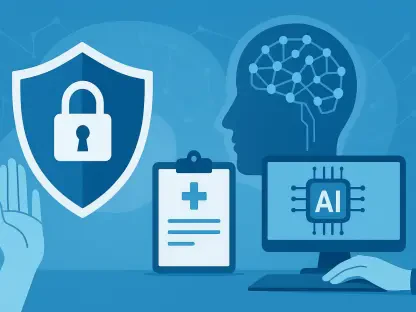
Beyond simple administrative efficiency, the combination of these platforms allows for a more nuanced application of evidence-based practices through continuous digital monitoring. Talkspace’s proprietary algorithms and machine learning capabilities can analyze patient interactions to detect subtle shifts in mood or behavior that might indicate a developing crisis. When these digital tools are backed by the physical infrastructure of UHS, a red flag in the app can trigger an immediate escalation to a nearby brick-and-mortar clinic or emergency department. This creates a safety net that is both wide and deep, leveraging technology to provide 24/7 oversight while maintaining the capacity for intensive, in-person intervention. The resulting synergy transforms mental health care from an episodic reactive service into a proactive longitudinal partnership. This shift represents a fundamental departure from the traditional fee-for-service model, moving instead toward a value-based framework where the primary metric of success is the long-term stability of the patient population.
Strategic Expansion and Market Impact
Addressing Workforce Shortages and Geographic Reach
From a market perspective, this acquisition allows UHS to diversify its revenue streams while simultaneously addressing the critical shortage of mental health professionals across the United States. While UHS has maintained a dominant physical presence in the psychiatric hospital sector, the ability to scale in-person services is inherently limited by staffing and real estate costs. Talkspace provides a flexible, scalable workforce of thousands of licensed therapists who can operate across state lines, depending on licensing regulations, to meet the fluctuating demands of various geographic markets. This hybrid approach enables UHS to offer comprehensive care packages to large employers and insurance payers who are increasingly seeking streamlined, all-in-one solutions for their members. By providing both the emergency safety valve of inpatient beds and the daily maintenance of digital therapy, the organization establishes itself as an indispensable partner in the broader healthcare ecosystem, capable of managing complex patient cohorts with greater efficiency.
Transforming Industry Standards Through Integrated Care
Stakeholders in the healthcare industry viewed this merger as a turning point that demanded a reevaluation of how digital health assets were valued and utilized. Rather than treating telehealth as a standalone convenience, the successful integration at UHS demonstrated that virtual care reached its full potential only when tethered to physical delivery systems. Providers who sought to replicate this success focused on breaking down the internal barriers between their digital departments and their clinical operations, ensuring that technology served the needs of the patient rather than existing as a separate business unit. Future developments in this space necessitated a rigorous focus on interoperability and the standardization of care protocols to ensure that the quality of virtual sessions matched that of in-person visits. The industry eventually recognized that the future of psychiatric care belonged to organizations that could effectively navigate both the digital and physical realms, providing a continuous spectrum of support that adjusted to the specific needs and risks of every individual.