
By utilizing off-the-shelf electronic components and real-time auditory feedback, a new smart device allows individuals with no prior lab experience to perform high-level diagnostic tasks. This breakthrough addresses a critical bottleneck in the 2026 healthcare landscape, where the demand for complex diagnostic testing consistently outpaces the supply of highly trained laboratory professionals. Traditionally, sophisticated procedures like nucleic acid amplification are sequestered within the walls of high-end clinical institutions because they require expensive equipment and years of specialized education to perform accurately. However, engineers at the California Institute of Technology have pioneered a “train-and-assist” methodology that effectively bypasses these traditional barriers. This technology does not merely automate a process but instead augments human capability by providing a safety net of digital oversight. By democratizing the ability to run high-stakes medical tests, this innovation promises to transform how we approach disease surveillance in under-resourced areas.
Technical Barriers: Engineering an Intelligent Solution
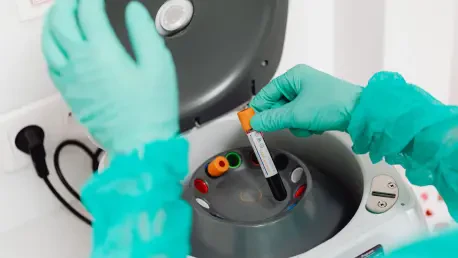
The implementation of Nucleic Acid Amplification Tests, or NAATs, represents the gold standard for detecting various pathogens, from seasonal respiratory viruses to persistent chronic illnesses. Despite their accuracy, these tests are notoriously difficult to scale in regions lacking robust laboratory infrastructure. To manage the high costs and limited reagents, many facilities employ a strategy known as sample pooling, which involves combining multiple patient specimens into a single test to screen large populations quickly. While this methodology is efficient in theory, it is exceptionally sensitive to human error during the pipetting and documentation phases. A minor slip in liquid handling or a mislabeled tube can compromise an entire batch of results, leading to expensive re-runs or, worse, incorrect diagnoses. Historically, the precision required to avoid cross-contamination has necessitated either massive investment in automated robotics or the presence of a career technician.
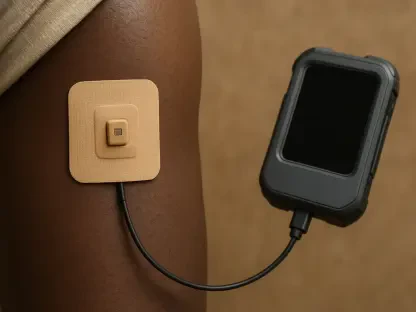
To bridge this expertise gap, the research team engineered a low-cost, open-source device designed to serve as both a rigorous instructor and a real-time monitoring system. The hardware itself is built primarily from 3D-printed components and standard electronic parts that are easily accessible on the global market, ensuring that the technology is not gated by proprietary supply chains or exorbitant pricing models. This “human-in-the-loop” design philosophy ensures that the user is an active participant in the diagnostic process rather than a mere bystander. The apparatus is equipped with various sensors that track the movement and volume of liquids, providing a layer of digital verification that mimics the watchful eye of a senior lab manager. By utilizing common parts, the developers have ensured that the system can be maintained and even repaired in the field, making it a sustainable choice for remote clinics that cannot afford the service contracts typically associated with medical hardware.
Practical Application: Validation and Clinical Success
The practical utility of this smart assistant was rigorously evaluated through a controlled study involving 48 participants, most of whom had no prior background in laboratory science or medical testing. The group was intentionally diverse to simulate the varied workforce found in community health settings. During the trials, the cohort was divided into two segments: one group attempted to perform sample pooling using traditional written protocols, while the other utilized the interactive “train-and-assist” device. The contrast in performance was immediately evident as the study progressed. While the group using written instructions struggled with the nuanced physical movements required for precise liquid handling, the device-assisted group showed a much steeper learning curve. The smart device effectively acted as a stabilizer for the novices, correcting their posture and timing in real time. This experimental setup demonstrated that high-level technical skills could be transferred to non-experts far more rapidly.
The clinical performance of the device-assisted pooling method was compared directly against quantitative PCR, which is currently the most sophisticated laboratory technique for detecting parasitic DNA. The comparison revealed a staggering 100 percent agreement between the results produced by the novice users using the smart device and those generated by expert technicians in a centralized lab. This level of accuracy is virtually unheard of for untrained personnel performing such a delicate procedure. It confirms that the “train-and-assist” model does not just simplify the work but actually enforces a standard of quality that matches professional benchmarks. By validating the hardware against the highest clinical standards, the researchers have provided a robust evidence base for its adoption by international health organizations. This success suggests that the technology is ready for large-scale deployment, offering a reliable alternative to centralized testing that could drastically reduce the time and cost associated with diagnosing diseases.
The Role of AI: Rethinking Medical Labor
This innovation fundamentally challenges the narrative that automation is meant to replace human workers. Instead, it highlights a trend in 2026 toward democratized labor, where technology serves as a force multiplier for the existing workforce. Rather than investing in multimillion-dollar robotic systems that are impossible to maintain in rural or developing areas, this model focuses on upskilling local personnel. This approach supports decentralized testing, making it possible to run sophisticated diagnostic clinics at mobile sites or small rural outposts where specialized technicians are unavailable. By putting the power of advanced diagnostics into the hands of local health workers, the technology fosters a sense of agency and self-sufficiency. As these smart devices become more prevalent throughout 2026 and beyond, the traditional boundaries between a high-tech hospital and a remote clinic will continue to blur, ensuring that the location of a patient no longer dictates the quality of care they receive.
The logistical advantages of this “train-and-assist” model offered a transformative blueprint for the management of global health programs. International organizations recognized that the ability to pool samples reliably and affordably was a fundamental shift in the economics of disease surveillance. By reducing the financial burden of mass testing, health officials gained the confidence to make data-driven decisions about when to initiate or cease drug administrations in specific regions. This technological shift enabled a more sustainable approach to public health, where the focus moved from reactive treatment to proactive monitoring. The implementation of these smart devices served as a critical step toward strengthening healthcare systems worldwide, ensuring that advanced diagnostics were accessible to all, regardless of geographic status. Ultimately, the integration of real-time feedback and affordable hardware proved that human expertise could be scaled through thoughtful engineering. This advancement laid the foundation for a more equitable future.