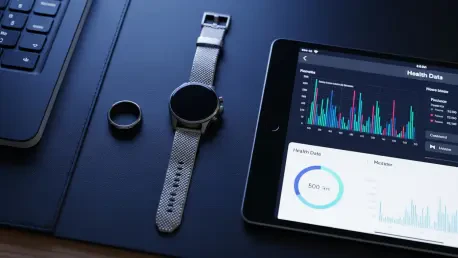

The transition from simple step counters to sophisticated health monitors has fundamentally altered how individuals perceive their personal biological data and daily physiological trends. Today, a wearable device is no longer just a luxury accessory but a critical component of a proactive health management strategy, capable of monitoring everything from cardiac rhythms to blood oxygen saturation levels. However, as the hardware becomes more capable, a significant portion of the industry has moved toward a business model that requires recurring payments to access the most insightful metrics. This shift has created a growing sense of frustration among users who feel that their own biological statistics are being held for ransom behind a monthly paywall. While many prominent manufacturers justify these costs as necessary for cloud processing and advanced algorithm maintenance, the cumulative expense can quickly reach hundreds of dollars annually. For those looking to avoid this financial burden, the market currently offers several high-performance alternatives that provide full data transparency.
The Hidden Cost of Modern Fitness Tracking
Understanding the Shift: The Ownership of Biological Data
The current technological landscape is defined by a fundamental disagreement regarding the ownership of personal health data and the ethics of hardware monetization. Manufacturers utilizing the closed model argue that deep-learning insights and predictive analytics require ongoing server support, which necessitates a subscription-based revenue stream. Conversely, a growing segment of the consumer base argues that once a high-priced sensor is purchased, the resulting data should be accessible without additional tolls. This tension has divided the market into two distinct camps: companies that treat the hardware as a gateway to a service and companies that treat the hardware as a complete tool. By opting for devices that prioritize an open model, users gain immediate access to heart rate variability, detailed sleep architecture, and stress tracking. This approach eliminates the persistent anxiety associated with losing access to historical health trends if a monthly payment is missed or a credit card expires unexpectedly.
Economic Impact: The Reality of Recurring Membership Fees
When evaluating the total cost of ownership for a fitness wearable, the initial price tag often pales in comparison to the long-term expense of a mandatory digital membership. Over a three-year period, a subscription costing fifteen to twenty dollars per month can effectively triple the original investment made in the device. This financial commitment creates a barrier to entry for many health-conscious individuals who prefer a predictable, one-and-done payment structure. Furthermore, the psychological weight of a recurring fee often leads to “subscription fatigue,” where users feel obligated to use the device simply to justify the ongoing cost rather than for genuine health improvement. Shifting toward brands that offer lifetime data access allows consumers to allocate those funds toward other wellness goals, such as high-quality nutrition or gym memberships. By choosing transparency over hidden costs, individuals can maintain a consistent health routine without the pressure of an ever-increasing digital overhead.
Premium Smartwatches with Lifetime Data Access
Apple Ecosystem: High-End Health Integration Without Fees
For those who are already integrated into a specific digital environment, the Apple Watch Series 11 and the rugged Ultra 3 provide an uncompromising health monitoring experience without any recurring costs for data access. The Series 11 has introduced highly sophisticated sensors capable of detecting signs of hypertension and sleep apnea, providing clinical-grade insights directly to the user’s wrist. Meanwhile, the Ultra 3 caters to extreme athletes and outdoor enthusiasts with its durable titanium construction and advanced dual-frequency GPS that remains accurate even in dense urban environments or remote mountain ranges. Unlike competitors that hide recovery scores behind a paywall, these devices offer a comprehensive view of physiological readiness the moment they are synchronized. Users can explore every nuance of their cardiovascular fitness and respiratory health through the dedicated health applications, ensuring that the wealth of information collected remains entirely under their own personal control.
Samsung Innovation: Diversifying Form Factors and Metrics
Samsung has solidified its position in the subscription-free market by expanding its wearable lineup to include diverse form factors like the Galaxy Ring. This sleek, titanium wearable is specifically designed for users who want continuous health monitoring without the bulk or distraction of a traditional smartwatch screen. The Galaxy Ring utilizes movement and skin temperature sensors to generate a daily “Energy Score,” helping users understand how their activity levels and rest impact their overall vitality. For those who prefer a more conventional interface at an accessible price point, the Galaxy Fit3 offers a lightweight solution that tracks over one hundred different workout types. It provides essential insights into daily activities and sleep quality for nearly two weeks on a single charge. By maintaining a policy of no recurring fees across its entire wearable portfolio, Samsung ensures that both luxury and budget-conscious users can enjoy deep health analytics without the threat of a subscription-based data lockout.
Performance-Driven Hardware for Serious Athletes
Garmin Technology: Professional Analytics Without a Paywall
Garmin remains a dominant force in the fitness community because it prioritizes the athlete’s autonomy by offering professional-grade analytics as a standard feature of the hardware. Devices such as the Vivoactive 6 and the Venu 3S are engineered to act as comprehensive health companions, utilizing the “Body Battery” feature to monitor energy levels throughout the day. These watches provide detailed morning reports that summarize sleep quality, recovery status, and heart rate variability, allowing users to make informed decisions about their training intensity. The sheer depth of the data provided—from sweat loss estimation to respiration rate—is available without any secondary service requirements. This commitment to transparency ensures that whether a user is a casual walker or a dedicated triathlete, they have access to the same high-level insights. The hardware is built to last, and the software ecosystem is designed to support the user’s long-term fitness journey without extracting additional fees for basic health metrics.
Elite Performance: Specialized Tools for Advanced Metric Tracking
The Forerunner 965 and the Coros Pace 3 represent the pinnacle of data-driven performance for serious runners and multi-sport athletes who require granular details. The Forerunner 965 features a vibrant display and offers real-time stamina tracking, which helps athletes manage their effort during long-distance races to avoid premature exhaustion. It also includes full-color mapping and wrist-based running power, features that are often hidden or simplified in subscription-based models. In a similar vein, the Coros Pace 3 provides an incredible balance of lightweight design and powerful sensor technology, including altitude monitoring for those training at high elevations. Coros also offers a free, structured training hub that allows users to download professional coaching plans and analyze their progress with academic-level precision. These brands prove that high-performance hardware does not need to be tethered to a subscription model to provide world-class insights and navigation tools for the most demanding physical challenges.
Minimalist and Specialized Tracking Solutions
Screenless Monitoring: Prioritizing Mindfulness and Lifestyle
A significant segment of the population is moving away from the constant notifications and glowing screens associated with traditional smartwatches, favoring a more mindful approach to health tracking. The Google Fitbit Air caters to this trend by offering a screen-free “pebble” design that focuses exclusively on 24/7 heart rate monitoring and irregular heart rhythm detection. It provides the same high-quality physiological data as more expensive, subscription-heavy alternatives but eliminates the recurring fee, making it a sustainable choice for long-term health management. This minimalist philosophy is also championed by the Ultrahuman Ring Air, which weighs less than three grams but captures a staggering amount of information regarding circadian rhythm alignment. By focusing on how lifestyle choices like caffeine intake and light exposure affect the biological clock, it offers a holistic view of well-being. These discrete devices demonstrate that sophisticated health monitoring can be seamlessly integrated into one’s life without distractions or fees.
Budget Accessibility: Finding Value in Every Price Point
The availability of high-quality health tracking is no longer restricted to those willing to pay a premium price, as the market now offers several reliable, budget-friendly options. The Fitbit Charge 6 continues to be a popular choice for its slim profile and its ability to pair directly with modern gym equipment, providing a seamless bridge between personal tracking and professional fitness environments. For users who prioritize simplicity and essential metrics above all else, the Timex iConnect Active serves as a testament to the fact that basic health data should be accessible to everyone. These devices track steps, calories, and heart rate with consistent accuracy, proving that escaping the subscription trap is possible even for those with modest budgets. By focusing on the core essentials of activity tracking, these manufacturers empower a wider demographic to take control of their health. This inclusivity ensures that quality physiological monitoring remains a universal tool for improvement rather than a tiered service for the wealthy.
The Evolution of Consumer Wearable Transparency
Material Advances: The Move Toward Premium Durability
As the competition in the subscription-free market intensifies, manufacturers have shifted their focus toward using premium materials that offer both aesthetic appeal and long-term durability. The widespread adoption of titanium frames and sapphire crystal displays has ensured that these devices can withstand the rigors of daily use and intense physical activity. This emphasis on hardware longevity is a direct counter-argument to the subscription model, which often relies on rapid software cycles to maintain revenue. By creating hardware that feels like a high-end timepiece, brands like Garmin and Apple are signaling that their products are meant to be lasting investments. This trend also extends to the internal components, where advanced sensors are now capable of maintaining accuracy for years without needing recalibration. The combination of robust build quality and transparent data policies has created a new standard for what a fitness wearable should be, prioritizing the user’s experience over short-term financial gains from software locks.
Data Autonomy: Strategic Steps for Long-Term Health Tracking
Ultimately, the shift toward subscription-free wearables demonstrated a significant turning point in the industry’s approach to consumer empowerment and data transparency. Savvy shoppers increasingly prioritized devices that offered a one-and-done payment structure, effectively insulating themselves from the rising costs of digital memberships. The adoption of materials like titanium and sapphire crystal in standard models reflected a broader commitment to longevity and hardware durability that outlasted software trends. By selecting trackers that provided comprehensive recovery scores and metabolic insights upfront, users successfully reclaimed their biological autonomy and avoided the pitfalls of recurring financial commitments. This trend highlighted a preference for local processing and transparent data policies over the convenience of cloud-based subscription models. As consumers took these definitive steps to secure their personal health information, the market responded by diversifying the available options for every price bracket and fitness level.