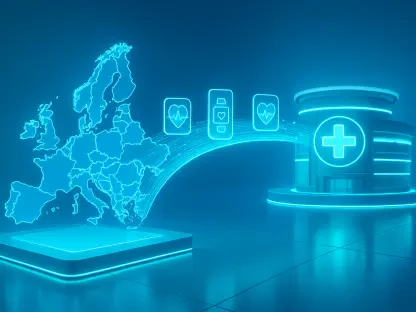

The traditional architecture of the medical system is experiencing a fundamental realignment as clinical expertise moves from sterile hospital wards into the intimate settings of residential living spaces. This profound transformation relies on Remote Patient Monitoring as its primary engine, allowing healthcare providers to maintain a continuous digital presence in a patient’s life without the constant need for physical office visits. By prioritizing the domestic sphere, the medical community is finding new ways to alleviate the chronic congestion of emergency departments and inpatient facilities. This shift represents more than just a convenience; it is a systemic restructuring designed to improve long-term patient outcomes through persistent rather than episodic care. As clinicians gather streams of real-time data, they gain a nuanced understanding of how daily habits and environmental factors influence a patient’s physiological state, leading to highly personalized treatment.
The Evolution of Domestic Health Oversight
From Pandemic Emergency: The Shift to Standard Practice
The initial momentum for this digital revolution was born out of the 2020 pandemic, which necessitated a rapid transition to virtual care to protect vulnerable populations from crowded clinical environments. What began as a series of small-scale, grant-funded pilot programs specifically designed for rural heart failure patients has since evolved into a robust and permanent feature of the modern healthcare delivery system. In those early stages, the primary goal was survival and maintaining basic continuity of care during a global crisis, but the success of these initiatives proved that domestic monitoring was both feasible and highly effective. As these programs matured through the first half of the decade, they transitioned from experimental curiosities into foundational pillars of public health. This progression illustrates how necessity can drive innovation, turning temporary solutions into permanent assets that define the high-quality care standards of the current medical era.
The Technical Infrastructure: The Foundation of Remote Care
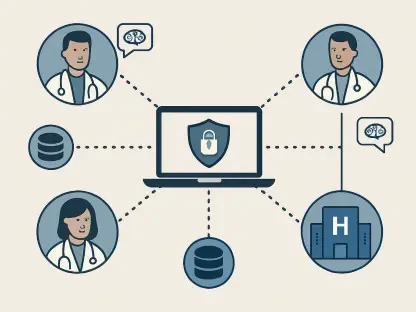
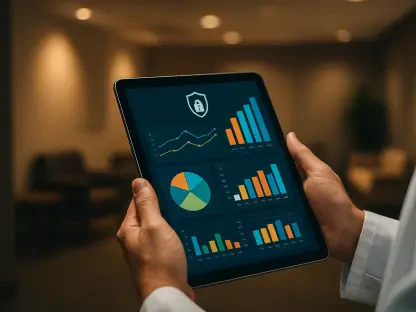
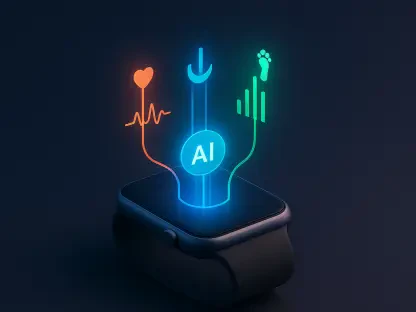
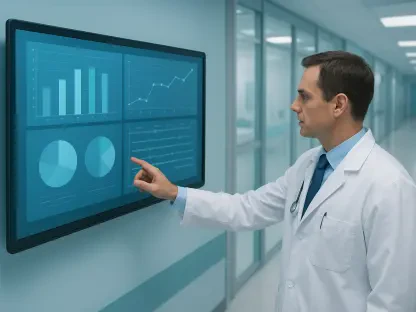
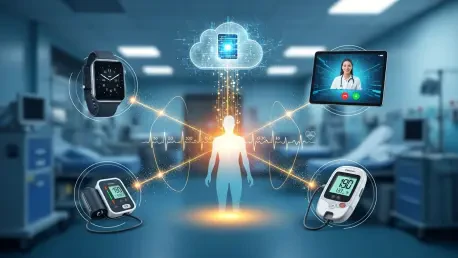
Modern medical oversight is powered by a sophisticated technical infrastructure that seamlessly connects the patient’s home to the clinician’s desktop through a web of intelligent devices. Patients today utilize a diverse array of hardware, including Bluetooth-enabled digital scales, sophisticated smart heart rate monitors, and continuous glucose sensors that sync automatically with tablets or smartphones. This hardware ecosystem creates a constant stream of physiological data that is encrypted and transmitted to secure cloud-based platforms where artificial intelligence algorithms flag significant deviations from the patient’s baseline. This automated triage allows nursing teams to prioritize their attention on individuals who require immediate intervention, rather than manually reviewing every data point. The seamless nature of this technology minimizes the technical burden on the user, making it accessible even to those who may not consider themselves tech-savvy.
Future Directions in Patient Management
Clinical Applications: Expanding the Scope of Treatment
The scope of remote monitoring has expanded well beyond its initial focus on cardiovascular health to encompass a wide range of complex clinical scenarios, including respiratory management and high-risk pregnancies. One of the most significant successes in this area is the management of chronic hypertension, where home monitoring allows for the collection of blood pressure readings in a relaxed, familiar environment. This approach effectively eliminates the diagnostic challenge of white coat syndrome, a phenomenon where patients exhibit elevated blood pressure solely due to the stress of being in a medical office. By capturing readings during the patient’s normal daily routine, physicians can obtain a much more accurate picture of their cardiovascular health and adjust treatments with greater precision. This shift toward domestic data collection ensures that pharmacological interventions are based on realistic, long-term trends rather than potentially skewed measurements.
Human Connection: Sustaining Care Through Policy and Support
Despite the advanced nature of the hardware and software involved, the success of remote monitoring ultimately depends on the strength of the human connection maintained through active case management. Technology acts as the conduit, but it is the continuous support from dedicated nursing teams and clinical staff that provides the necessary context and empathy for effective healing. Modern programs feature 24/7 nursing availability, ensuring that when an alert is triggered, a qualified professional is there to interpret the data and communicate directly with the patient. This hybrid system balances the efficiency of automated data collection with the indispensable judgment of a human provider, creating a safety net that patients can trust. The ongoing dialogue between the patient and their care team fosters a collaborative relationship, empowering individuals to take an active role in managing their own health while knowing that expert help is always a call away.
Strategic Integration: Advancing the Future of Patient Autonomy
The successful integration of remote monitoring into the fabric of daily medical practice demonstrated that the home was always the most vital component of the healthcare ecosystem. By moving beyond the limitations of episodic clinical visits, providers established a more resilient system that prioritized continuous oversight and early intervention. This transition fostered a new level of patient autonomy, where individuals were no longer passive recipients of care but active participants in their own recovery and health maintenance. From 2026 to 2028, the focus shifted toward refining these data-driven strategies to ensure they remained inclusive and accessible to all populations regardless of their geographic location. Policy adjustments ensured that these services were appropriately funded, securing their place as a permanent fixture of medicine. Ultimately, the industry moved toward a future where hospital stays were reserved for only the most acute needs.