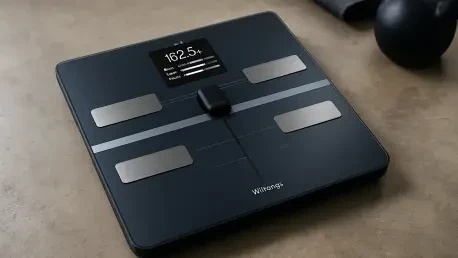

The traditional bathroom scale has long functioned as a source of morning anxiety rather than a tool for clinical insight, yet the recent launch of the Withings BodyFit represents a fundamental shift toward comprehensive physiological monitoring. By moving beyond the singular metric of total body mass, this new device introduces sophisticated segmental body composition analysis, which was previously confined to high-end medical facilities or professional athletic training centers. This transition signifies a broader movement in personal health technology where users demand granular data to understand how their lifestyle choices affect specific regions of their bodies. As chronic conditions related to metabolic health continue to rise globally, the ability to monitor visceral fat and muscle distribution at home provides a proactive defense against silent internal changes. The BodyFit aims to bridge the gap between casual fitness tracking and professional diagnostics, offering a nuanced view of physical health that acknowledges the complexity of the human form.
Precision Engineering: The Mechanics of Segmental Analysis
The core innovation of the BodyFit lies in its utilization of multi-frequency bioelectrical impedance analysis to deliver independent readings for the torso, arms, and legs. While standard smart scales send a signal through the lower body only, this new architecture incorporates a retractable handle with integrated electrodes to complete a full-body circuit. This hardware configuration allows the device to distinguish between subcutaneous fat and the more dangerous visceral fat that accumulates around vital organs, providing a much clearer picture of cardiovascular risk. Engineers refined the algorithms to account for daily fluctuations in hydration, ensuring that the data remains consistent even when environmental factors shift. By isolating these specific segments, the scale identifies muscular imbalances that might lead to injury or postural issues over time. This level of detail empowers individuals to tailor their strength training or rehabilitation programs based on hard data rather than guesswork, marking a significant advancement in health hardware.
Beyond the mechanical hardware, the integration of advanced sensors allows the BodyFit to monitor vascular health through pulse wave velocity and nerve activity via electrodermal tracking. These features transform the device from a simple body composition tool into a comprehensive cardiovascular and neurological screening station that fits within a standard bathroom footprint. The electrodermal activity sensor specifically looks at sweat gland response in the feet, which can serve as an early indicator of small fiber neuropathy, a condition often linked to metabolic complications. Meanwhile, pulse wave velocity measurements offer a direct look at arterial stiffness, which is a critical marker for heart health and hypertension management. These metrics are processed through localized AI models that ensure data privacy while providing real-time feedback on the scale’s high-resolution color display. The synergy between these various sensors creates a holistic health profile, allowing users to see the invisible internal impacts of their nutritional habits and stress levels before they manifest as chronic illnesses.
The implementation of the BodyFit into a daily routine established a new standard for home-based health monitoring that prioritized long-term physiological stability over short-term aesthetic goals. Users who adopted this technology found that the granular insights provided by segmental scanning allowed for more precise adjustments to their dietary and exercise protocols. It was recommended that individuals prioritized the regular calibration of their health goals by reviewing these segmental trends at least once a month to ensure balanced physical development. Healthcare providers also considered incorporating this home-generated data into remote patient monitoring programs to identify early warning signs of metabolic decline. The transition toward this high-fidelity data collection demonstrated that the most effective way to manage personal wellness was through continuous, professional-grade observation. This technological shift successfully changed the focus toward preventive care and data-driven metabolic health management for many individuals.