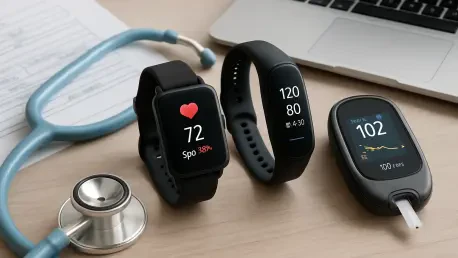

The rapid proliferation of biometric sensors has moved well beyond the niche domain of fitness enthusiasts to become a fundamental component of the American patient experience in 2026. Approximately 60 percent of adults now possess a wearable device that tracks everything from blood oxygen levels to heart rate variability, creating a massive reservoir of data that sits outside the traditional clinical environment. While these individuals are more proactive about their personal wellness than ever before, the medical infrastructure remains caught in a transition phase, struggling to convert this digital noise into actionable clinical insights. The core tension lies in the disparity between the sophisticated, consumer-facing hardware and the antiquated data ingestion systems found in many hospitals. As patient expectations for personalized, data-driven care continue to rise, the healthcare system must confront whether it can pivot from reactive treatments to a model of continuous monitoring without overwhelming its already strained workforce or compromising patient safety.
The Evolution: Advancing Consumer Health Hardware
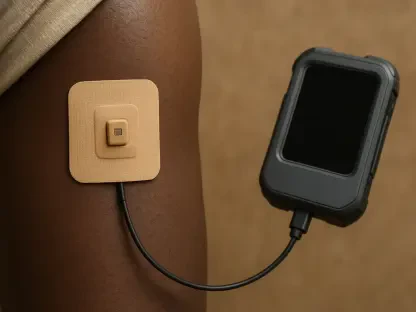
The current market for health-conscious technology has matured into a landscape where devices like the Apple Watch Ultra and the latest generation of the Oura Ring are seen as indispensable health companions rather than mere gadgets. These tools have transitioned from basic pedometers to sophisticated medical-grade sensors capable of performing electrocardiograms and monitoring sleep architecture with high precision. This shift has fostered a culture of continuous self-surveillance, where individuals are no longer waiting for an annual physical to understand their physiological status. Instead, they are receiving real-time feedback on their recovery, stress levels, and cardiovascular health, which fundamentally changes the patient-provider dynamic. The democratization of high-fidelity biometric data means that patients are entering clinics with months of historical trends, demanding a higher level of precision and personalization in their medical consultations than traditional diagnostic methods typically allow for.
Beyond the mere collection of steps or calories, the integration of generative artificial intelligence into these wearable platforms has enabled a more nuanced interpretation of raw biometric data for the average user. Many of these devices now offer predictive analytics that can alert a wearer to the onset of an illness before symptoms even manifest, utilizing subtle shifts in resting heart rate or body temperature. This level of foresight provides a significant advantage for preventive care, yet it also creates a new psychological burden for consumers who may feel compelled to react to every minor fluctuation in their health metrics. The technology companies driving this innovation have succeeded in making the hardware aesthetically pleasing and effortless to wear, ensuring that data collection is nearly constant. This seamless integration into daily life ensures that the volume of health information generated annually is now measured in petabytes, placing the onus on the healthcare industry to find a sustainable way to process it.
Clinical Integration: Overcoming Systemic Data Barriers
While patients are eager to upload their health histories into electronic medical records, the technical bridge between consumer devices and hospital systems remains frustratingly narrow and complex. Most clinicians find themselves navigating a fragmented ecosystem where data from a patient’s smart ring does not automatically synchronize with the primary care provider’s dashboard. This manual barrier often forces doctors to spend valuable minutes during a consultation scrolling through a patient’s smartphone app rather than engaging in diagnostic dialogue. The lack of standardized data protocols across the tech industry further exacerbates this issue, as information from different brands arrives in varied formats that are difficult to compare or aggregate. Without a unified pipeline that filters and highlights only the most clinically relevant information, the vast majority of wearable data remains siloed, serving more as a personal curiosity for the user than a tool for professional medical intervention.
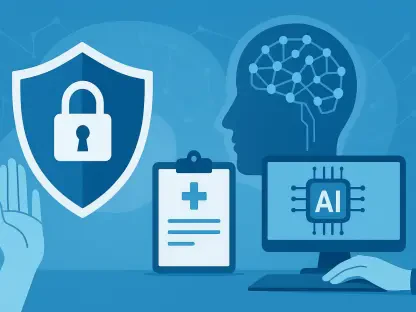
The human element of this technological surge presents an even greater challenge, as the current generation of physicians faces unprecedented levels of burnout and cognitive overload. Expecting a cardiologist to review thousands of hours of heart rate data from a single patient is simply not feasible under existing operational models that prioritize high-volume throughput. Many medical professionals express concern that the influx of unverified consumer data will lead to an increase in false positives, resulting in unnecessary tests and heightened patient anxiety. To bridge this gap, some pioneering health systems have begun deploying specialized medical scribes or AI-driven triage layers designed to sift through wearable telemetry. These systems aim to identify critical patterns—such as a persistent spike in blood pressure or signs of atrial fibrillation—before the information ever reaches the doctor’s desk. However, until such technology is widely available and affordable, the promise of remote patient monitoring will remain largely unfulfilled.
Strategic Evolution: Building an Equitable Care Model
To address these systemic hurdles, the healthcare sector moved toward a more integrated approach that prioritized interoperability and the development of intelligent filtering systems. Major hospital networks invested heavily in middleware solutions that successfully translated consumer-generated data into standardized formats compatible with existing electronic health records. This transition required a fundamental redesign of the clinical workflow, where specialized data analysts took on the role of interpreting initial telemetry before escalating critical findings to licensed medical providers. Furthermore, the establishment of clear professional guidelines helped mitigate the liability fears that had previously paralyzed many clinicians. By defining exactly what constitutes a medical alert from a wearable device, the industry provided doctors with the confidence to use these tools without fear of constant legal jeopardy. These initial steps were crucial in transforming the chaotic influx of biometric data into a structured asset that improved patient outcomes.
Moving forward, the industry prioritized the expansion of broadband infrastructure and digital literacy programs to ensure that wearable technology became accessible to every community regardless of socioeconomic status. Health systems actively sought partnerships with technology developers to create prescribable wearables that were fully integrated into a patient’s treatment plan and covered by insurance providers. Furthermore, medical schools and residency programs updated their curricula to include training on digital health literacy and the interpretation of continuous biometric data streams. Research initiatives focused on large-scale studies that successfully quantified the cost-effectiveness of wearables in managing chronic diseases, providing the empirical evidence needed to convince previously skeptical insurers. By focusing on these tangible improvements, the American healthcare system finally realized the potential of the wearable revolution, turning a sea of disparate data points into a cohesive strategy for proactive, personalized medicine.