
The quiet hum of a medical-grade oxygen concentrator in a suburban living room serves as a powerful testament to the massive decentralization currently reshaping the global healthcare landscape. As the medical world moves away from a traditional, hospital-centric model, a new patient-centric paradigm has emerged, placing sophisticated technology directly into the hands of the individual. This transformation is not merely a matter of convenience; it represents a critical response to rising healthcare costs and the logistical strain on traditional hospital infrastructures that have become increasingly crowded in recent years. Today, the home healthcare equipment market encompasses a vast spectrum of devices, ranging from essential mobility aids and respiratory therapy tools to advanced remote patient monitoring systems and digital diagnostic interfaces. With the sector valued at over $480 billion in 2025, the trajectory toward a $1.048 trillion valuation by 2034 appears not only possible but increasingly inevitable. This projected compound annual growth rate of 9.05% highlights the essential nature of these technologies as they become integrated into national health strategies and private insurance models worldwide.
Primary Drivers of Global Market Expansion
The Silver Tsunami: Changing Demographics and Senior Care
The most profound demographic shift driving this market expansion is the rapidly increasing global population of individuals aged 65 and older, a phenomenon often described as the “Silver Tsunami.” By the mid-2030s, estimates suggest that nearly 16% of the world’s population will fall into this category, creating an unprecedented demand for long-term care solutions that can be managed outside of institutional settings. Aging is inherently associated with a higher incidence of mobility issues, sensory impairments, and cognitive decline, all of which necessitate specialized medical equipment. Unlike previous generations that might have moved to nursing homes at the first sign of frailty, today’s seniors overwhelmingly prefer to “age in place.” This cultural and social preference for maintaining independence within one’s own residence is forcing healthcare systems to pivot toward support models that prioritize comfort and autonomy. Consequently, the home has effectively become the primary site for geriatric care, driving a consistent and robust demand for assistive technologies that allow for safer daily living.
Beyond the simple preference for staying home, the economic reality of aging populations is also a major factor in the adoption of home healthcare equipment. Governments and private insurers are recognizing that supporting a senior at home with a hospital bed, a patient lift, and remote monitoring tools is significantly more cost-effective than financing a decade of residential nursing care. This realization has led to a surge in subsidies and insurance coverage for home-based medical hardware, making these devices more accessible to middle-income families. Furthermore, the psychological benefits of remaining in a familiar environment cannot be overstated, as studies consistently show that patients in home-based care experience lower levels of stress and a higher overall quality of life. As manufacturers respond to this need with more aesthetically pleasing and user-friendly designs, the stigma once associated with medical equipment is fading, replaced by a view of these tools as essential components of a modern, active lifestyle for the elderly.
The Burden of Care: Rising Prevalence of Chronic Conditions
The global healthcare system is currently facing a monumental challenge as the prevalence of chronic illnesses such as diabetes, cardiovascular disease, and chronic obstructive pulmonary disease reaches record levels. With hundreds of millions of adults now living with diabetes, the demand for sophisticated management tools like continuous glucose monitors and automated insulin delivery systems has seen explosive growth. These devices allow patients to manage complex health metrics with high precision, often eliminating the need for daily clinic visits and reducing the risk of acute complications that require emergency intervention. By empowering patients with real-time diagnostic data, healthcare providers can shift their focus toward preventative care and personalized medicine. This transition is a cornerstone of the market’s projected trillion-dollar valuation, as chronic disease management requires long-term, consistent investment in medical hardware and consumables that patients use every single day within their own homes.
Cardiovascular health monitoring has similarly undergone a radical transformation, with home-based blood pressure monitors and portable electrocardiogram devices becoming standard tools for millions of heart patients. The ability to track heart rhythm and arterial pressure over long periods provides clinicians with a much more accurate picture of a patient’s health than a single snapshot taken during an office visit. This constant stream of data allows for the early detection of issues like atrial fibrillation, which can lead to strokes if left untreated. For patients with chronic respiratory conditions, the shift toward portable oxygen concentrators and smart nebulizers has restored a level of mobility that was previously unthinkable. These advancements do not just manage symptoms; they fundamentally alter the patient’s relationship with their illness by providing the tools necessary for active participation in their own recovery. As long-term health management continues to move into the domestic sphere, the integration of these devices into daily routines will only become more seamless and essential.
Decentralized Clinical Care: Moving the Hospital to the Home
Healthcare providers across the globe are increasingly advocating for “hospital-at-home” programs as a strategic response to hospital overcrowding and the rising costs of inpatient care. These initiatives are specifically designed to move post-operative recovery, wound care, and long-term monitoring from high-cost clinical environments to the patient’s own residence. By doing so, hospitals can optimize their high-intensity resources for acute cases and emergency surgeries, while patients benefit from a reduced risk of healthcare-associated infections. This model of decentralized care relies heavily on the availability of professional-grade medical equipment that is safe and simple enough for use by patients or their family caregivers. From specialized infusion pumps to advanced wound vacuum systems, the technology that was once confined to the intensive care unit is now being adapted for home use, ensuring that clinical outcomes remain high even when the patient is not physically in the hospital.
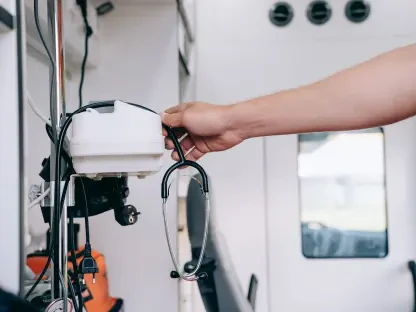
Telehealth-compatible devices have become the backbone of this “connected care” model, allowing for real-time data transmission between the patient and their physician. This digital link ensures that medical interventions can occur the moment a health metric fluctuates beyond a safe threshold, providing a vital safety net for patients who might otherwise require institutionalized care. This approach is particularly effective for managing high-risk patients who have recently been discharged after major surgery, as it allows for continuous oversight without the logistical burden of travel. The synergy between digital communication platforms and physical medical hardware is making the home a truly viable extension of the clinical environment. As regulatory bodies continue to update their standards to accommodate these home-based clinical services, the market for the necessary equipment will continue to expand, fueled by a collective desire to make healthcare more efficient, accessible, and patient-friendly across all geographic regions.
Technological Breakthroughs and Digital Integration
Intelligence and Portability: AI and Device Miniaturization
The integration of artificial intelligence into home healthcare equipment is currently revolutionizing how patient data is interpreted and utilized in real-time. Modern monitoring systems no longer just record data; they use sophisticated AI algorithms to analyze patterns and provide actionable insights that can prevent medical emergencies. For instance, wearable ECG monitors are now capable of detecting subtle arrhythmias and automatically notifying a cardiologist before the patient even experiences a physical symptom. Similarly, AI-enhanced smart beds can track sleep patterns, respiratory rates, and movement to predict the likelihood of falls or the development of pressure ulcers in bedbound patients. These “smart” features add a layer of proactive protection that traditional equipment could never offer, making home care a safer and more reliable option for patients with complex medical needs who require constant vigilance but wish to avoid the hospital environment.
Parallel to the rise of AI is the significant trend toward device miniaturization, which is making medical equipment smaller, lighter, and more portable for everyday use. In the past, technologies such as oxygen concentrators or dialysis machines required heavy, immobile units that restricted a patient’s movement and confined them to their home. Today, however, engineering breakthroughs have led to the creation of portable oxygen concentrators that are small enough to be carried in a shoulder bag, and compact dialysis systems that can be used during travel. This shift toward portability is not just a matter of convenience; it has a profound impact on the mental and physical well-being of patients by allowing them to maintain an active lifestyle despite their medical conditions. As manufacturers continue to prioritize ergonomics and portability, the boundaries of what can be treated at home will expand further, driving the adoption of medical technology among younger, more mobile patient populations who value both health and freedom of movement.
Connected Health: Medical Wearables and E-commerce Acceleration
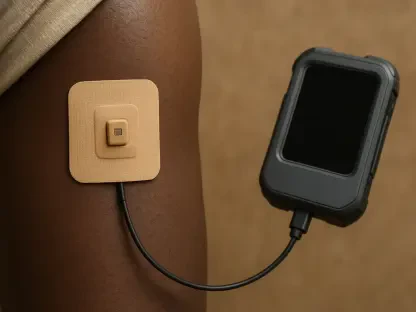
Medical-grade wearables have evolved far beyond basic fitness trackers to become essential instruments for chronic disease management and long-term health monitoring. Approximately 48% of healthcare providers now actively recommend these remote monitoring systems to their patients, recognizing their ability to track blood pressure, oxygen saturation, and stress levels with clinical-grade accuracy. These devices provide a continuous stream of physiological data that offers a more comprehensive view of a patient’s health than intermittent clinical checkups. This transition from niche gadgets to essential medical tools is a key driver of market growth, as consumers increasingly view wearables as a vital part of their personal health infrastructure. The data collected by these devices is often integrated directly into electronic health records, allowing for a more collaborative and informed relationship between patients and their medical teams, which ultimately leads to better health outcomes and higher patient satisfaction.
The digital transformation has also fundamentally changed the way medical equipment is purchased and distributed, with e-commerce for healthcare items seeing a surge of nearly 40% in recent years. This shift allows patients and caregivers to compare prices, read user reviews, and have essential equipment delivered directly to their doorstep, effectively bypassing the traditional and often cumbersome medical supply store model. For individuals living in rural areas or those with limited mobility, the convenience of online shopping is a game-changer, ensuring they have access to the same high-quality tools as those in major urban centers. This increased accessibility is driving market penetration into previously underserved demographics and encouraging price transparency across the industry. As manufacturers and retailers refine their digital storefronts and logistics networks, the e-commerce channel is expected to continue its rapid expansion, becoming a dominant force in the global distribution of home healthcare products and services.
Comprehensive Market Segmentation and Trends
Holistic Health: The Intersection of Medical Hardware and Nutrition
While traditional hardware such as wheelchairs and respiratory devices remains the core of the home healthcare market, there is a growing and significant intersection between medical equipment and nutritional health support. Dietary supplements, including vitamins, minerals, and specialized proteins, currently hold a massive 41% share of the overall home health market as preventive care becomes a top priority for the aging population. This trend reflects a more holistic approach to health, where patients use monitoring devices to track the effects of their nutritional choices and supplement regimens. For example, a patient using a bone density monitoring tool may also be prescribed high-dose calcium and vitamin D supplements as part of a comprehensive osteopenia management plan. This bundling of nutritional products with medical hardware allows for a more integrated treatment strategy that addresses the underlying causes of health issues rather than just managing the symptoms.
The sports nutrition segment is also experiencing notable growth, driven by an increased focus on fitness and recovery among both high-performance athletes and patients undergoing physical rehabilitation. Performance tracking devices are now frequently used in tandem with specialized nutrition products to optimize physical health and accelerate recovery times following surgery or injury. This synergy between equipment and nutrition is creating entirely new revenue streams for market leaders, who are increasingly looking to offer “wellness packages” that combine diagnostic tools with personalized supplement plans. As the public’s understanding of the link between nutrition and long-term health continues to deepen, the demand for these integrated solutions is expected to rise. This shift toward a more comprehensive view of home health is not only expanding the market’s reach but also encouraging innovation in how data from medical devices can be used to tailor nutritional interventions to the specific needs of the individual.
Consumer Dynamics: Demographics and Sales Distribution
The elderly remain the primary consumer group in the home healthcare market, accounting for over 63% of equipment purchases worldwide. Their needs are incredibly diverse, ranging from simple mobility aids like canes and walkers to highly complex respiratory support systems and specialized beds required for end-of-life care. This demographic’s substantial purchasing power and the critical nature of their health needs provide a stable foundation for the industry’s growth. However, it is important to note that other consumer groups are also contributing significantly to the diversified demand. Patients living with chronic diseases across all age groups, as well as pediatric users with congenital conditions, require a steady supply of monitoring tools and therapeutic equipment. This broadening of the consumer base ensures that the market is not overly dependent on a single segment and can maintain its upward trajectory even as social and economic conditions fluctuate over the coming decade.
In terms of sales channels, the landscape is currently undergoing a period of transition as traditional retail pharmacies and specialized medical supply stores adapt to the rise of digital marketplaces. While brick-and-mortar locations remain vital for high-touch items that require professional fitting and demonstration—such as prosthetic limbs or custom-fitted wheelchairs—online distribution is the fastest-growing channel, now holding approximately 22% of the market share. The transparency offered by digital platforms is helping to drive down costs for consumers while making it easier to find specialized gear that may not be stocked in local stores. This dual-channel approach allows manufacturers to reach a wider audience and provide different levels of service based on the complexity of the product. As logistics and delivery technologies continue to improve, the efficiency of the online channel will likely entice more consumers to transition their regular medical supply purchases to digital platforms, further shifting the balance of power in the retail sector.
Regional Outlook and Strategic Considerations
Western Dominance: North American Leadership and European Markets
North America currently holds the largest share of the global home healthcare equipment market, accounting for 39% of total valuation, a position driven largely by the advanced healthcare infrastructure and high spending levels in the United States. The region’s market is characterized by a strong emphasis on high-tech integration, AI-driven diagnostics, and a robust regulatory framework that encourages the adoption of new medical technologies. Furthermore, the presence of Medicare and private insurance programs that increasingly cover home-based care provides a solid financial foundation for the adoption of expensive medical hardware. Innovation in this region is often focused on improving the interoperability between home devices and hospital systems, ensuring that the data collected at home can be seamlessly utilized by clinical professionals to improve patient outcomes and streamline the delivery of care across different medical settings.
Europe follows closely behind with a 28% market share, a region characterized by high levels of healthcare digitization and a rapidly aging population that is placing significant pressure on public health systems. Germany serves as the regional powerhouse in this sector, supported by government initiatives that promote healthcare automation and the use of digital tools to manage the care of its large elderly demographic. In the United Kingdom, the National Health Service has become a vocal proponent of using remote monitoring and home-based care to alleviate the chronic burden on public hospitals and reduce wait times for elective procedures. This government-level support is a critical driver of market growth in Europe, as it provides the necessary funding and policy framework for the large-scale implementation of home healthcare technologies. As European countries continue to integrate these tools into their socialized medicine models, the market for home-based equipment is expected to remain stable and continue its steady expansion.
Rapid Growth: Emerging Powerhouses in the Asia-Pacific
The Asia-Pacific region is currently the fastest-growing market for home healthcare equipment, a trend driven by the fact that it houses over 60% of the world’s elderly population. China’s market, in particular, is experiencing a massive boom due to a combination of a rapidly aging society and a significant surge in the domestic manufacturing of affordable healthcare devices. This increase in local production is making advanced medical technology accessible to the region’s burgeoning middle class, who are increasingly seeking higher standards of care for their aging relatives. The Chinese government has also implemented policies to encourage the development of home-based care services as a way to manage the logistical challenges of its massive population. This blend of high demand and increasing supply is positioning the Asia-Pacific region as a central hub for the future of the global healthcare equipment industry.
Japan remains at the absolute forefront of “Robotic Care,” utilizing AI-enabled devices and sophisticated robotic assistants to address the challenges of its “super-aging” society. From robotic exoskeletons that assist with mobility to interactive companion robots that help mitigate the effects of dementia and social isolation, Japan is a testing ground for the most advanced home healthcare technologies in the world. Meanwhile, other parts of the region, including India and Southeast Asia, are focusing on digital health transformations to reach underserved rural populations where traditional hospital access is limited. These countries are increasingly adopting remote patient monitoring as a standard of care, using mobile technology to bridge the gap between rural patients and urban specialists. This diverse range of needs and solutions across the Asia-Pacific region is creating a dynamic and highly competitive market environment that is expected to drive global innovation for years to come.
Market Challenges: Competitive Dynamics and Implementation Hurdles
The competitive landscape of the home healthcare equipment market is currently defined by a unique mix of established medical giants and specialized technology firms that are moving toward a “Smart Wellness” model. Companies are no longer just selling individual pieces of hardware; they are increasingly forming strategic partnerships with big tech firms like Apple and Google to create integrated ecosystems where hardware and software are seamlessly bundled. This consolidation is expected to accelerate as the market approaches its trillion-dollar milestone, with firms vying to become the primary platform for a patient’s entire health journey. However, this transition toward a more connected and data-driven market also brings significant challenges, particularly regarding the high costs associated with advanced technology and the ever-present risks to data security and patient privacy that come with connected devices.
Protecting sensitive medical data from sophisticated cyberattacks remains one of the most significant hurdles for maintaining consumer trust in the next generation of home healthcare equipment. As devices become more interconnected, the potential for data breaches increases, necessitating robust encryption and cybersecurity protocols that can keep pace with evolving threats. Additionally, ensuring that equipment from different manufacturers can share data seamlessly with hospital software—a concept known as interoperability—remains a major technical and regulatory challenge for the industry. Without standardized data protocols, the full potential of “connected care” cannot be realized, as clinicians may struggle to access a complete picture of a patient’s health across different devices. Overcoming these hurdles will require a concerted effort from manufacturers, regulators, and healthcare providers to create a secure and unified digital health infrastructure that prioritizes the safety and privacy of the patient above all else.
The journey toward a trillion-dollar valuation for the home healthcare equipment market was paved by a fundamental reimagining of what it means to receive high-quality medical care in the modern age. As the focus shifted from acute intervention in hospitals to proactive management in the home, the industry successfully demonstrated that professional-grade health outcomes could be achieved within a domestic setting through the use of sophisticated technology. This evolution required not only significant advancements in artificial intelligence and device miniaturization but also a profound shift in how insurance providers and governments viewed the economics of patient care. Moving forward, the industry must prioritize the establishment of global standards for data interoperability to ensure that the “connected care” ecosystem functions as a unified whole. Furthermore, addressing the digital divide will be essential, as ensuring that low-income and rural populations have access to these life-saving tools is critical for achieving true health equity. By focusing on security, accessibility, and user-centric design, the home healthcare sector established itself as the cornerstone of a more resilient and patient-focused global medical infrastructure.