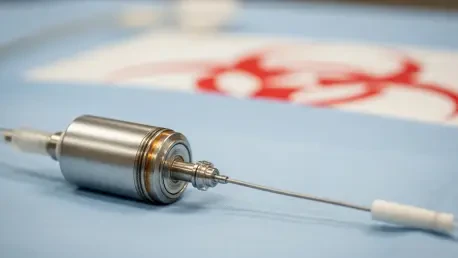

When a multi-billion dollar acquisition meant to revolutionize cardiac care encounters a fatal mechanical defect, the ripple effects extend far beyond the hospital room into the very foundations of medical technology trust and regulatory oversight. The medical technology sector is currently navigating a high-stakes safety crisis involving one of the most sophisticated circulatory support systems available to clinicians. Johnson & Johnson’s Abiomed division recently initiated a critical recall of specific Impella heart pumps following reports of a catastrophic design flaw. While these devices represent a pinnacle of mechanical engineering, intended to sustain patients during life-threatening coronary events, recent manufacturing deviations have revealed a vulnerability that leads to total mechanical failure in the most vulnerable clinical moments.
Understanding the Impella Recall and Its Impact on Cardiac Care
The current market landscape for cardiovascular devices is dominated by the fallout of this safety alert, which specifically targets the Impella CP Sets with SmartAssist. These devices are central to the management of high-risk percutaneous coronary interventions, where maintaining hemodynamic stability is the primary objective. However, the discovery that certain units fail to meet rigorous design specifications has sent shockwaves through the healthcare community. This recall serves as a critical test for how a global leader like Johnson & Johnson manages the integration of complex technology while maintaining the absolute safety standards required for life-critical equipment.
The Evolution of Abiomed and the Strategic Importance of Impella
To grasp the market significance of this event, one must look at the massive $16.6 billion acquisition of Abiomed in 2022, which turned the Impella line into a flagship product for Johnson & Johnson’s MedTech division. This strategic move was designed to consolidate J&J’s presence in the high-growth cardiovascular market, leveraging the Impella’s reputation as a breakthrough in temporary ventricular support. Historically, these pumps have been financial engines for the company, providing strong growth year after year. Nevertheless, the shift from a specialized innovator to a subsidiary of a massive conglomerate has invited a higher degree of internal auditing and federal oversight into its production pipelines.
Technical Deficiencies and the Real-World Impact on Patient Outcomes
The technical failure identified in this recall represents a significant departure from the precision expected of modern cardiac support systems. Even though the defect affects a small percentage of total units, the clinical margin for error is nonexistent when the heart is unable to function independently.
The Mechanics of Persistent Low Purge Pressure
The recall focuses on seven specific lot numbers where internal mechanisms failed to maintain the required purge pressure. This pressure is essential for the pump’s operation, acting as a barrier to prevent blood from entering the motor. While the malfunction affected only about 0.01% of over 107,000 cases, the outcome of twelve specific complaints showed that when the purge pressure dropped, the device could no longer provide the necessary circulatory support. This mechanical breakdown effectively halted the life-saving function of the pump mid-procedure.
Evaluating the Clinical Risks of Emergency Pump Exchanges
A sudden loss of mechanical support during a cardiac procedure is a clinical nightmare that forces medical teams into emergency pump exchanges. These rapid replacements are inherently dangerous, often occurring while a patient is already suffering from hypotension or end-organ hypoperfusion. In the cases linked to this flaw, the necessity of an emergency exchange proved to be a high-risk gamble. To date, this specific mechanical issue resulted in three emergency exchanges and one confirmed fatality, proving that even a rare technical glitch carries a lethal price tag in the critical care environment.
Regulatory Scrutiny and the Shadow of Previous Safety Reports
This current recall is not an isolated incident but rather part of a broader trend of regulatory pressure on the Abiomed portfolio. Since the acquisition, rigorous retrospective quality audits have become standard as J&J attempts to align these products with its global safety frameworks. This event followed a 2024 report that associated various Impella models with a higher number of fatalities. While the company maintained that these field actions demonstrated transparency, they also highlighted the immense difficulty of scaling the production of high-risk medical technologies without sacrificing the precision required by the FDA.
The Future Landscape of High-Risk Medical Device Regulation
The persistent challenges facing the Impella line suggest that the future of medical device regulation will be defined by aggressive post-market surveillance. Manufacturers are likely to adopt more frequent field actions and predictive quality modeling to mitigate risks before they reach the patient. Despite these regulatory hurdles, the cardiovascular segment remains a financial powerhouse, showing double-digit growth in recent quarters. Moving forward, the industry anticipates a shift where legacy products are subjected to modern safety benchmarks, ensuring that older designs are updated to meet the current standards of fail-safe redundancy and digital monitoring.
Actionable Strategies for Mitigating Risks in Clinical Settings
For hospital administrators and clinical leads, the immediate focus remained on the swift execution of recall protocols through 2026 and into 2028. This involved the immediate quarantine and return of all affected units identified in the recall notice. Beyond the physical removal of devices, institutions should implement enhanced training programs for “SmartAssist” data interpretation, allowing staff to catch early warning signs of pressure fluctuations. By integrating advanced monitoring protocols and refining emergency exchange procedures, medical facilities can provide an additional layer of protection for patients undergoing these complex, high-risk interventions.
Conclusion: Balancing Innovation with Patient Safety
The recall of the Impella heart pumps served as a sobering reminder of the delicate balance between rapid innovation and the necessity for manufacturing perfection. While the technology remained a cornerstone of modern cardiology, the identified design flaw demonstrated how even the most advanced systems were vulnerable to minor deviations. This situation emphasized that the responsibility for quality control grew in proportion to the complexity of the medical device. Ultimately, the industry learned that long-term success was not just found in clinical breakthroughs, but in the unwavering reliability of the machines that sustained human life during its most fragile moments.