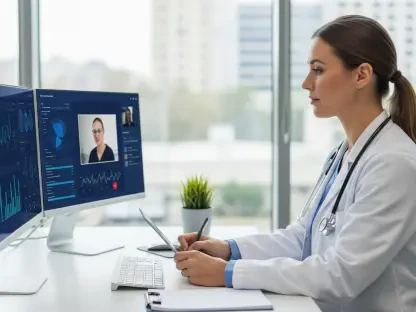

The persistent scarcity of diagnostic imaging specialists has reached a critical juncture within the modern healthcare landscape, forcing major medical networks to rethink their long-term recruitment and retention strategies for the current year and beyond. As patient volumes increase and the complexity of radiological interpretation grows, Sutter Health is taking a proactive stance by launching a specialized residency program designed to bridge the gap between academic training and clinical practice. This initiative is not merely a response to local staffing needs but a calculated effort to stabilize the workforce against a national trend of physician burnout and early retirement. By cultivating a new generation of experts within its own walls, the organization aims to ensure that life-saving imaging services remain accessible and efficient. This strategic move highlights a shift toward internal professional development as a primary solution to the systemic shortages today.
Strengthening Clinical Pipelines: Education and Technical Mastery
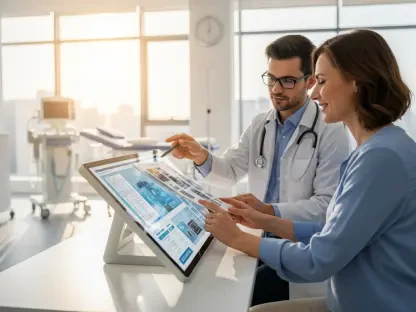
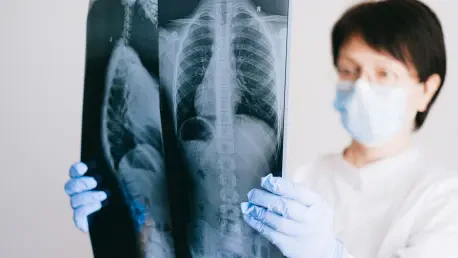
The newly established residency program at Sutter Health represents a significant investment in the future of medical imaging by focusing on comprehensive clinical immersion and technical mastery. Trainees are integrated into a high-volume environment where they interact with advanced modalities such as dual-energy CT and high-field MRI under the direct supervision of veteran radiologists. This immersive approach ensures that residents are not just observing but are actively participating in the diagnostic process from their very first day in the clinic. By providing access to a diverse patient population and a wide array of pathological cases, the program prepares these specialists to handle the nuances of modern medicine with confidence. Furthermore, the curriculum is structured to include a strong emphasis on subspecialization, allowing residents to gain deep expertise in fields like neuroradiology, which face the most acute personnel shortages currently in the medical sector.
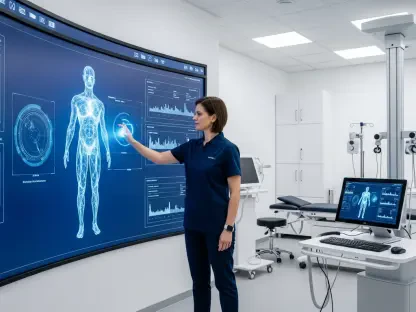
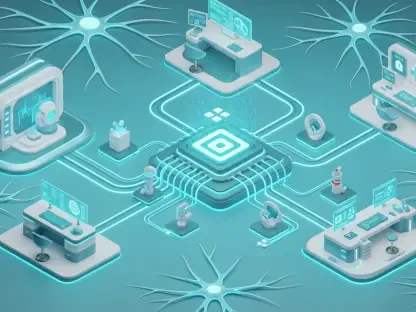
Beyond traditional film and screen interpretation, the residency program emphasizes the critical role of artificial intelligence and machine learning in enhancing diagnostic accuracy and workflow efficiency. Sutter Health has integrated sophisticated AI-driven triage tools that help residents prioritize urgent cases, such as intracranial hemorrhages or pulmonary embolisms, thereby improving patient outcomes. This technological focus is essential because the modern radiologist must be adept at leveraging software to manage the massive datasets generated by contemporary imaging equipment. The training environment encourages residents to critically evaluate AI outputs, ensuring they maintain the final clinical judgment while benefiting from the speed of automated analysis. This balanced approach to education fosters a generation of physicians who are as comfortable with data science as they are with human anatomy. This specific training ensures an agile and capable workforce.
Regional Impact: Strategic Workforce Development and Growth
The geographical placement of this residency program is strategically designed to bolster the healthcare infrastructure in Northern California, where rural and suburban areas often struggle to attract top-tier medical talent. By training residents in these specific regions, Sutter Health increases the likelihood that these physicians will remain in the area to practice after completing their certification requirements. Statistical evidence suggests that a high percentage of medical residents choose to establish their permanent practices within a fifty-mile radius of their training sites, making this program a powerful tool for regional workforce stabilization. This localized recruitment strategy helps to eliminate the diagnostic bottlenecks that frequently occur when scans must be sent to external teleradiology services for interpretation. Consequently, patients in these communities experience shorter wait times for critical results, which is vital for the initiation of oncology treatments.
The implementation of this residency initiative signaled a transformative shift in how healthcare systems managed the chronic deficit of specialized medical professionals. Rather than relying solely on external recruitment, the organization established a self-sustaining model that combined academic rigor with practical clinical application. To ensure continued success, the focus shifted toward expanding these educational opportunities to other underserved specialties and integrating more robust interdisciplinary collaboration within the training modules. Future efforts were directed at refining the mentorship programs to better support the mental health and professional longevity of the trainees, recognizing that burnout remained a significant threat to the workforce. By prioritizing the development of internal talent, the medical network provided a scalable blueprint for other institutions. This approach not only secured a pipeline of qualified radiologists but also reinforced the necessity of medical education.