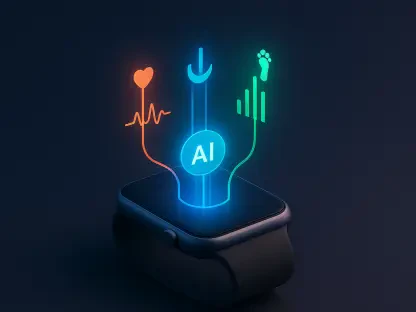

The rapid evolution of generative artificial intelligence has fundamentally altered the landscape of consumer electronics, moving wearables from simple pedometers to sophisticated diagnostic tools. Samsung has positioned its latest software suite at the forefront of this shift, integrating complex neural networks that interpret biological signals with accuracy. Instead of merely recording heart beats or steps, the system now contextualizes these metrics against a user’s historical baseline to provide a nuanced understanding of physical readiness. This transformation is driven by the need for proactive health management in a world where chronic stress is prevalent. By synthesizing data from sleep cycles and metabolic markers, the platform offers a comprehensive view of an internal state. This shift from data collection to intelligent interpretation allows users to make informed decisions about their habits, effectively turning a smartwatch into a personalized health consultant.
The Integration of Generative Intelligence: Redefining Biometric Interpretation
Predictive Analytics: Moving Beyond Static Data Points
The core of this technological leap lies in the implementation of the Energy Score, a sophisticated metric that utilizes machine learning to evaluate an individual’s daily capacity for physical and mental exertion. Unlike traditional fitness scores that rely on static goals, this dynamic assessment considers sleep latency, consistency, and heart rate variability during rest to determine recovery quality. For instance, an athlete might discover that while their physical exertion was high, their recovery was insufficient, prompting the AI to suggest a day of active rest rather than continued intensity. This level of granular analysis is made possible through advanced algorithms that recognize patterns in biometric data over extended periods. Furthermore, the AI integrates environmental factors to refine its predictions, ensuring that the guidance remains relevant to the user’s context. This approach empowers individuals to listen to their bodies with scientific precision and daily balance.
Beyond general wellness scores, the integration of metabolic tracking and advanced sleep stage analysis provides a detailed look at the body’s internal clock and nutritional needs. The software now identifies specific sleep disturbances and correlates them with daily activity levels to pinpoint the root causes of fatigue. By analyzing these data points, the system offers tailored advice on optimal windows for caffeine consumption or the best times to perform mentally demanding tasks. This level of metabolic insight was once limited to professional sports labs, but it is now accessible through a streamlined interface that prioritizes user comprehension. The AI also monitors body composition changes, providing feedback on muscle mass and fat percentage to help users adjust their training programs effectively. By bridging the gap between raw data and actionable behavioral changes, the platform facilitates a holistic understanding of how lifestyle choices impact long-term physiological health.
Practical Application: Turning Insights into Behavioral Change
Stakeholders and health enthusiasts recognized the necessity of adopting a more structured approach to biometric data to maximize the benefits of these intelligent systems. It was found that those who consistently engaged with the AI-driven suggestions experienced a more balanced distribution of energy throughout their workweeks. Experts suggested that users should prioritize the calibration period of new devices, as the machine learning models required several weeks of consistent wear to establish a highly accurate personal baseline. Integrating these insights into a broader medical strategy became a recommended practice for managing cardiovascular health and sleep disorders. The transition toward a holistic view of wellness underscored the importance of quality sleep as an equal counterpart to exercise. By leveraging these predictive tools, individuals successfully moved away from reactive health measures. This proactive stance ensured that potential health issues were addressed earlier through specific habits.