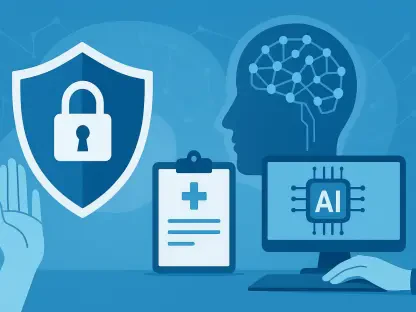

The traditional landscape of geriatric medicine has undergone a fundamental transformation as digital infrastructure now allows millions of Medicare beneficiaries to access specialized care from their own homes without the physical strain of travel. This shift represents a departure from the historical reliance on brick-and-mortar clinics, which often presented significant logistical hurdles for individuals with limited mobility or chronic conditions requiring frequent monitoring. Recent data suggests that the adoption rate of virtual consultations among seniors has reached unprecedented levels, effectively narrowing a gap that many analysts once thought was insurmountable due to the perceived digital divide. The integration of high-speed internet and simplified user interfaces has made it possible for patients to engage with their physicians through encrypted platforms that prioritize both privacy and ease of use. As the healthcare sector continues to adapt, the focus remains on ensuring that these digital tools are equivalent in quality to in-person evaluations.
Policy Evolution: Ensuring Accessibility for Medicare Beneficiaries
The legislative environment surrounding Medicare has matured significantly, establishing a permanent framework that recognizes telehealth as a cornerstone of modern care delivery. Federal guidelines now provide clear pathways for the reimbursement of audio-only services, which are vital for beneficiaries who may lack access to high-bandwidth video connections or face challenges with visual interfaces. This regulatory stability has encouraged healthcare systems to invest in virtual care wings, staffed by professionals trained specifically in remote geriatric assessment techniques that account for the nuances of aging. By removing the geographic restrictions that previously limited coverage to rural areas, the current system ensures that an urban resident with mobility issues receives the same level of digital support as someone in a remote township. These policy adjustments have dismantled the barriers that once forced vulnerable populations to choose between their safety and receiving timely medical advice.
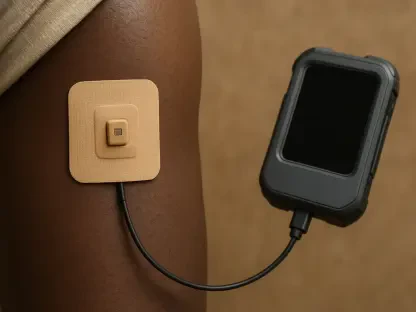
The economic implications of expanded telehealth coverage are apparent as healthcare providers report a decrease in non-emergency hospital readmissions among the elderly. When a Medicare beneficiary can consult with a specialist at the first sign of a complication, the likelihood of a condition escalating into a crisis is greatly reduced, thereby lowering the total cost of care. Furthermore, the integration of remote patient monitoring tools allows for the continuous tracking of vital signs, such as blood pressure and glucose levels, which are transmitted directly to medical records for review. This proactive approach to chronic disease management ensures that interventions are data-driven and timely rather than purely reactive. Clinical outcomes have shown that the frequency of visits often increases with telehealth, not because of new illnesses, but because ease of access encourages patients to seek guidance for minor concerns before they develop into more serious health threats.
Technological Standards: Integration and Strategic Implementation
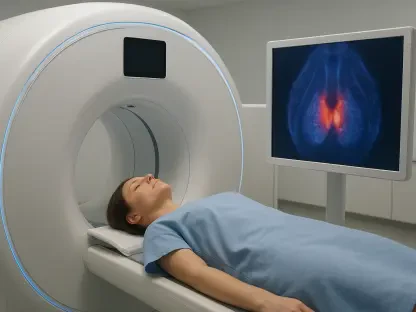
Technological advancements have played a pivotal role in making digital health platforms more accessible to the senior population by focusing on inclusive design principles that cater to varying levels of ability. Modern interfaces now feature larger icons, high-contrast visual elements, and voice-activated navigation, which reduce the frustration often associated with learning new software. Beyond the screen, the deployment of specialized medical peripherals, such as digital stethoscopes and high-resolution otoscopes, has expanded the diagnostic capabilities of a virtual visit. These tools allow physicians to perform detailed examinations of the heart, lungs, and ears with precision that was previously only possible in a clinical setting. As these technologies become more ubiquitous, the emphasis has shifted toward ensuring that hardware is as intuitive as a traditional telephone, removing the intimidation factor that historically discouraged seniors from adopting digital healthcare solutions.
The widespread implementation of these technological standards and Medicare services provided a definitive roadmap for the future of patient-centered care by demonstrating the viability of remote diagnostics. Administrators prioritized the integration of user-feedback loops into platform development, which allowed for real-time improvements based on senior usage patterns. It was vital that clinicians received specialized training in digital communication to maintain the patient-provider bond. The focus shifted toward proactive data analysis from wearable devices, enabling earlier interventions for chronic conditions. Stakeholders recognized that the continuous monitoring of outcomes was necessary to maintain the integrity of virtual visits. These steps ensured that telehealth became a sustainable and high-quality alternative to traditional care models, providing a blueprint for the next phase of innovation where the patient’s home finally became a primary site of clinical care.