
The health landscape in New Brunswick is currently undergoing a profound transformation as the provincial government leans heavily on digital platforms to address chronic physician shortages and surging wait times for primary medical services. This shift represents a fundamental change in how citizens access basic healthcare, moving away from the traditional model of a local family doctor toward a centralized digital interface known as Virtual Care NB. While the promise of immediate access to a nurse practitioner or a physician through a smartphone app seems like a modern miracle for those waiting years on the Patient Connect NB list, it simultaneously raises significant questions about the nature of clinical diagnosis and the potential for a two-tier system. The platform acts as a high-tech triage unit, theoretically streamlining the flow of patients while effectively creating a new layer of bureaucracy. As this technology becomes the primary entry point, the line between a helpful solution and a restrictive gatekeeper becomes increasingly blurred.
Evaluating the Efficacy and Accessibility of Digital Healthcare Delivery
Proponents of the Virtual Care NB initiative argue that the integration of telehealth services is the only viable method to manage the increasing volume of non-emergency medical inquiries that frequently overwhelm local emergency departments and clinics. By utilizing advanced algorithms and remote screening tools, the system can quickly categorize patient needs, directing minor ailments to digital consultations while reserving physical clinic space for more complex cases. However, this transition introduces challenges regarding accessibility for those who lack tech literacy or reliable internet connectivity. The requirement to navigate a multi-step digital process can feel like an insurmountable wall rather than an open door to medical assistance. There is a growing concern that by prioritizing the virtual interface, the system may inadvertently sideline those who require the nuanced communication and physical examination that only an in-person visit provides. The digital gatekeeper function is real.
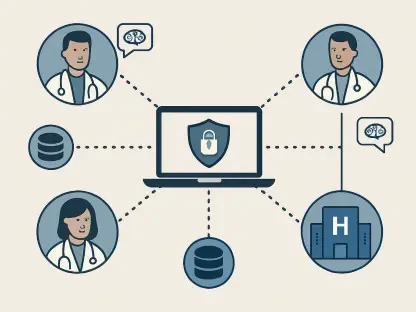
The clinical efficacy of virtual consultations remains a point of debate among medical professionals who worry that the absence of physical touch might compromise the diagnostic process for certain symptoms. While a video call is suitable for reviewing stable chronic conditions, it lacks the tactile feedback necessary for detecting subtle physical abnormalities that an experienced physician might notice during an examination. Medical practitioners using the platform must rely heavily on patient descriptions and self-reported data, which can be influenced by a lack of medical literacy or the limitations of home monitoring equipment. Beyond clinical interactions, the implementation involves the massive management of sensitive health data within a cloud infrastructure. Ensuring the security of this information is paramount as healthcare systems face increasing threats from cyberattacks. For the platform to serve as a solution, it must facilitate a robust flow of information without compromising confidentiality.
To ensure that Virtual Care NB evolved into a comprehensive solution, the provincial government initiated a series of strategic adjustments focused on hybrid care models. These policies integrated community-based tech hubs where patients without personal devices could access high-speed connections and professional assistance to navigate the digital platform effectively. Medical authorities prioritized the recruitment of hybrid practitioners who split their time between virtual consultations and in-person clinic hours, ensuring a smoother transition for patients requiring escalated care. By establishing clear protocols for when a digital visit must be converted into a physical appointment, the system maintained a higher standard of diagnostic accuracy. These proactive measures were essential in transforming the digital interface from a simple triage tool into a legitimate extension of the health network. By treating the platform as a dynamic component, the risks of digital gatekeeping were mitigated.