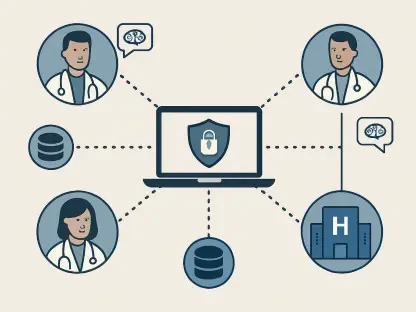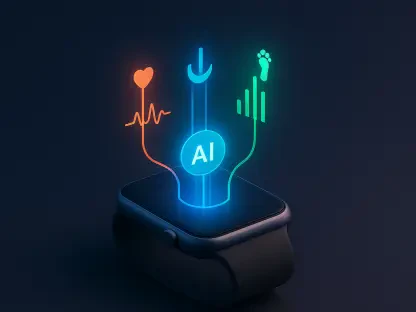

The transition toward digitized healthcare has reached a pivotal moment where small medical clinics can now leverage the same advanced monitoring tools once reserved for major health systems. By integrating remote patient monitoring into their daily operations, these smaller practices are moving away from the traditional, reactive model of medicine that often waits for a crisis before intervening. Instead, they are utilizing a continuous stream of physiological data to maintain a real-time understanding of patient health, ensuring that chronic conditions are managed with unprecedented precision. This shift is not merely about adopting new gadgets; it represents a fundamental change in the patient-provider relationship, fostering a sense of security for those living with long-term illnesses. As these tools become standard, the capability of a small clinic to provide high-quality, data-driven care is rapidly closing the gap with larger institutions, making healthcare more accessible and personalized than ever before in the local community.
The Evolving Landscape of Small-Scale Medical Practices
Compliance: Meeting Market Demands and Regulatory Standards
The shift toward digital health is heavily influenced by federal guidelines and a marketplace that now views continuous monitoring as a baseline expectation rather than a luxury. Institutions such as the Department of Health and Human Services have actively promoted the adoption of these technologies, recognizing their potential to reduce hospital readmissions and improve the management of prevalent conditions like hypertension. As reimbursement models continue to favor value-based care, small clinics are finding that remote monitoring aligns perfectly with new regulatory standards that reward proactive health management and patient engagement.
Moreover, the healthcare market has seen a surge in demand from patients who have grown accustomed to the convenience of digital interactions in other aspects of their lives. Local providers who embrace these platforms are better positioned to retain their patient base against the encroachment of large, technology-heavy healthcare conglomerates. By offering the latest in wearable and home-based diagnostic technology, a neighborhood clinic can demonstrate a commitment to modern standards while maintaining the personalized touch that defines small-scale practice. This balance of high-tech and high-touch care is becoming a primary differentiator for successful clinics today.
Challenges: Identifying and Overcoming Implementation Barriers
Transitioning to a high-tech monitoring system is not without its hurdles, particularly for practices that operate with limited administrative support or smaller budgets. One of the most significant obstacles involves the complexity of managing new billing codes and ensuring that Medicare and private insurance requirements are met for every monitored patient. Without a dedicated billing department, clinicians often worry that the time spent on documentation will outweigh the clinical benefits of the technology. These administrative burdens can create a bottleneck that prevents the smooth rollout of a program even when the medical benefits are clear to the staff.
Beyond administrative concerns, the human element of technology adoption presents its own set of difficulties related to digital literacy among both staff and patients. Some medical assistants and nurses may feel overwhelmed by the need to learn new software interfaces while managing their existing patient load, leading to resistance or inconsistent data entry. Similarly, patients who are not comfortable with technology may struggle to use their devices correctly, resulting in data gaps that compromise the effectiveness of the monitoring program. Overcoming these barriers requires a focused effort on education and the selection of user-friendly platforms that minimize the technical learning curve for everyone involved.
Harnessing Technology for Better Health Outcomes
Efficiency: Streamlining Operations with Integrated Platforms
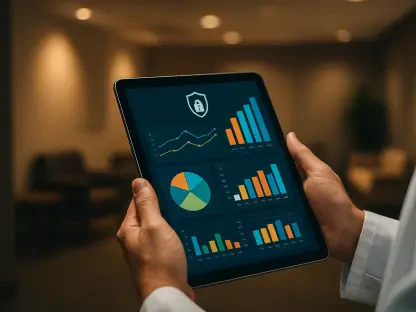
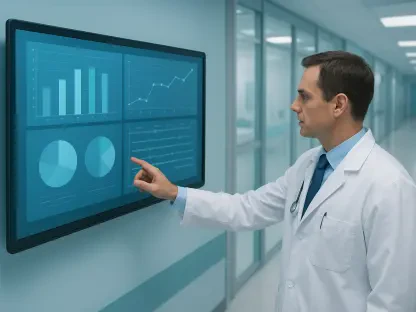
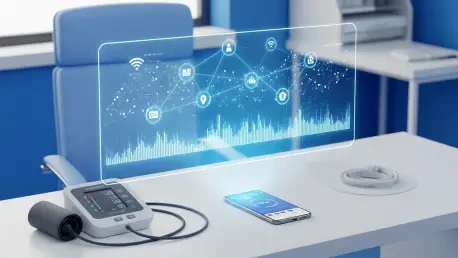
Modern health platforms are designed to alleviate the pressure on small clinic staff by centralizing data from various monitoring devices into a single, intuitive interface. These systems often include automated features for patient onboarding and device shipping, which removes the logistical headache of hardware management from the clinic’s internal responsibilities. By using an integrated approach, providers can view blood pressure, glucose levels, and heart rate data in one dashboard, allowing for a comprehensive assessment of a patient’s status without the need to navigate multiple disconnected software programs.
Furthermore, these platforms utilize intelligent alerting systems that filter the constant stream of data and only notify the clinical team when a reading falls outside of a pre-defined healthy range. This management by exception approach prevents clinician burnout by ensuring they are not bombarded with normal readings that do not require intervention. When an alert is triggered, the system provides the necessary context for the physician to make an informed decision, such as adjusting a medication dosage or scheduling a telehealth follow-up. This streamlined workflow ensures that the clinic can scale its remote monitoring program without significantly increasing its headcount or overhead.
Longevity: Enhancing Care Coordination and Patient Compliance
Evidence from various clinical implementations suggested that remote monitoring significantly boosted patient adherence to their prescribed treatment plans. When patients knew that their vitals were being reviewed regularly by their medical team, they tended to be more diligent about taking their medications and following lifestyle recommendations. This constant connection created a feedback loop where the patient saw the immediate impact of their actions on their physiological data, which served as a powerful motivator for behavioral change. The resulting improvements in chronic disease management were often superior to what could be achieved through office visits alone.
Looking back at the initial rollout of these programs, the most successful clinics were those that prioritized clear communication and strategic planning. They moved away from viewing technology as a separate entity and instead wove it into the fabric of their care delivery process. By investing in the right partnerships and training, these practices transitioned into data-driven centers of excellence that provided consistent value to their communities. This proactive evolution established a sustainable path forward, ensuring that small-scale medical practices remained resilient and capable of delivering top-tier care in an increasingly digital and competitive healthcare environment.