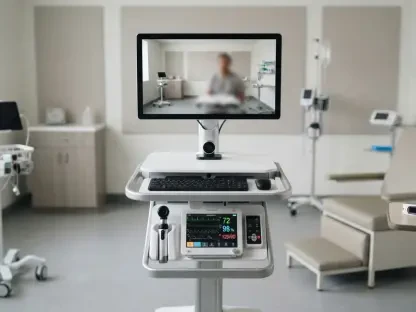

Managing a complex condition like type 2 diabetes often requires more than just periodic office visits, especially when social determinants of health create barriers for low-income populations navigating a fee-for-service healthcare system. In this environment, the pressure on patients to maintain

The persistent disparity in medical research and diagnostic accuracy between genders has long sidelined the specific physiological needs of women, creating a systemic imbalance that modern health technology is finally beginning to dismantle with targeted investment. This landscape of inequality is

As the sunset fades over a small Midwestern town where the only hospital within a fifty-mile radius shuttered its doors just last month, residents face the daunting reality of a healthcare desert that forces them to choose between long drives and delaying critical care. This scenario has become

The modern workforce and constant connectivity have pushed human physiology to its limits, creating a global health crisis where nearly one-third of the population suffers from chronic sleep deprivation. To address this mounting challenge, Monash University and Brigham and Women’s Hospital have

The pharmaceutical landscape underwent a significant transformation when over-the-counter glucose monitoring systems became widely available for pediatric use without a prior clinical diagnosis. For years, these advanced wearable devices were strictly regulated and reserved for patients with

The rapid escalation in autism prevalence has historically outpaced the supply of qualified behavioral analysts, leaving thousands of families trapped on waitlists while clinicians struggled under the weight of administrative burdens and inefficient billing structures. Traditionally, the field of