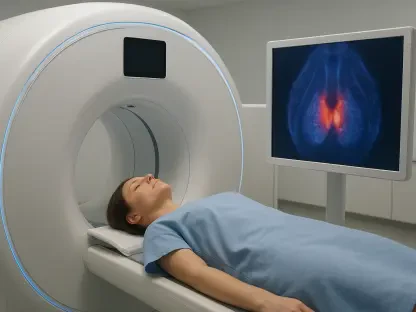

The landscape of modern medicine is undergoing a profound transformation as the traditional model of episodic, hospital-centered appointments gives way to a continuous, integrated strategy known as Virtual-First Seamless Care. This shift effectively erases the boundaries of the doctor’s office, turning healthcare into a persistent presence that operates quietly in the background of a patient’s daily life. Rather than waiting for a crisis to prompt a visit to a clinic, individuals now benefit from a proactive ecosystem that identifies health risks long before they manifest as physical symptoms. The integration of data-driven insights ensures that the relationship between a patient and their medical team is no longer defined by geographic proximity or scheduled time slots. Instead, it becomes a dynamic exchange of information that facilitates early intervention and personalized wellness. This evolution represents a fundamental change in how society perceives medical assistance, moving from a reactive mentality to a sustained commitment to health optimization.
Bridging the Gap: Transforming Primary and Specialty Care
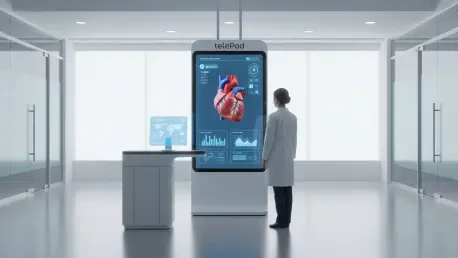
Streamlining the transition from local consultations to specialized hospital expertise has historically been one of the most significant bottlenecks in the medical field. Under the Virtual-First Seamless Care framework, this friction is eliminated through the implementation of advanced digital pathways that connect primary care clinics directly with high-level specialists. Modern healthcare facilities are now utilizing “Telepods”—specialized virtual consultation stations—that allow patients to meet with neurologists, cardiologists, or oncologists without leaving their local neighborhoods. This model drastically reduces the weeks of waiting typically associated with hospital referrals, often shortening the process to just a few days or even hours. By bypassing the logistical nightmares of travel and administrative delays, patients receive critical answers when they matter most. The focus shifts toward immediate clinical resolution, ensuring that geographic isolation no longer dictates the quality or speed of the specialized medical attention a person receives.
Integrated electronic health records serve as the backbone of this seamless transition, providing every clinician in the network with instantaneous access to a patient’s comprehensive medical history. When a specialist joins a virtual session, they are not starting from scratch; they have real-time access to diagnostic images, lab results, and remote monitoring data gathered by the primary care team. This high level of transparency allows for immediate decision-making and the rapid initiation of treatment plans that would have previously required multiple in-person visits. Consequently, the physical burden on large hospital systems is reduced, as routine specialty care is moved into the digital realm. Hospitals can then focus their limited physical infrastructure and personnel on complex surgeries and emergency trauma cases that require hands-on intervention. This strategic redistribution of resources maximizes efficiency across the entire healthcare spectrum, creating a more sustainable and responsive system for everyone involved in the medical journey.
Clinical Precision: Validating Remote Diagnostics With Modern Technology
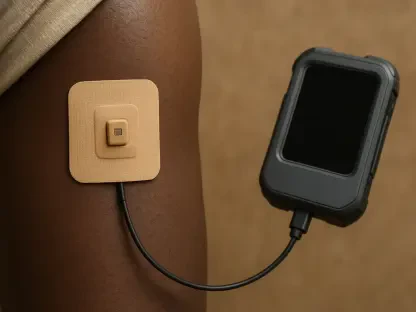
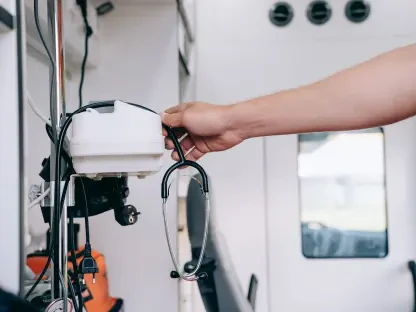
Maintaining clinical safety in a virtual environment was once a primary concern for skeptics, yet recent technological breakthroughs have provided the necessary precision to match in-person examinations. High-fidelity digital stethoscopes and otoscopes now transmit crystal-clear audio and visual data directly to a physician’s terminal, allowing for accurate assessments of cardiac and respiratory health from hundreds of miles away. Furthermore, the adoption of contactless sensors has revolutionized the collection of vital signs by analyzing subtle physiological changes through standard video feeds. These sensors can detect fluctuations in heart rate, oxygen saturation, and even blood pressure with medical-grade accuracy, providing a constant stream of reliable data. Such innovations ensure that a virtual visit is not a compromise in quality but a sophisticated extension of the physical exam. As these tools become more integrated into the household, the distinction between a remote checkup and a hospital visit continues to blur, fostering trust in the digital process.
Public readiness for this digital-first approach has reached an all-time high, driven by an increasing level of digital literacy and a growing demand for convenience and transparency in medical services. Extensive research indicates that the majority of patients now feel comfortable using advanced communication platforms to interact with their healthcare providers, often citing higher satisfaction levels compared to traditional visits. This shift is empowered by a new generation of patients who view themselves as active participants in their own care journeys rather than passive recipients of advice. By learning to use simple diagnostic tools under the remote guidance of a professional, individuals are taking ownership of their health metrics in a way that was previously impossible. This collaborative dynamic transforms the patient-doctor relationship into a partnership where data is shared and analyzed in real time. The resulting engagement not only improves health outcomes but also reduces the anxiety often associated with the unknown, as patients have constant access to their medical status.
The Path Forward: Integrating Intelligence and Strategic Policy
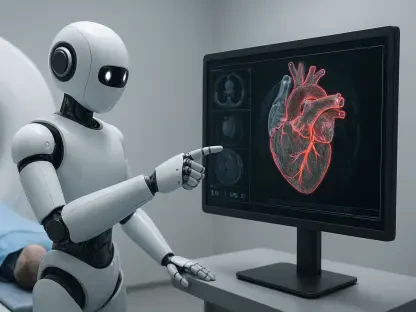
Artificial intelligence acts as a silent but powerful co-pilot within the Virtual-First Seamless Care model, processing vast quantities of information that would be overwhelming for human clinicians to manage alone. Wearable devices and home-based monitors generate millions of data points every day, which AI algorithms analyze to identify patterns or anomalies that might indicate the onset of a chronic condition. Instead of waiting for a patient to report a problem, the system flags potential issues automatically, allowing doctors to intervene before a medical emergency occurs. This proactive approach relies on the principle of precision medicine, where every recommendation is tailored to the specific physiological profile of the individual. By filtering out the noise and highlighting only the most relevant clinical events, AI enables physicians to spend more time on complex problem-solving. The technology provides the expert with the sharpest possible tools to make informed, life-saving decisions with confidence.
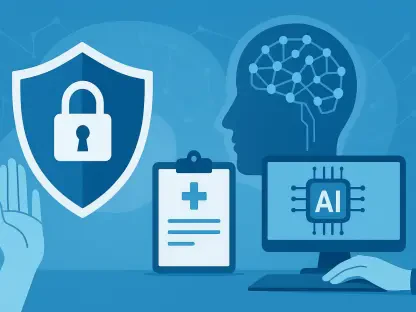
Healthcare leaders and policy makers recognized that the successful implementation of this seamless model required a fundamental restructuring of reimbursement policies and data privacy standards. By aligning financial incentives with patient outcomes rather than the volume of in-person visits, the industry facilitated a more ethical and efficient approach to national health. Organizations prioritized the expansion of high-speed broadband infrastructure to ensure that rural and underserved populations were not left behind in this digital revolution. Additionally, medical education programs integrated digital communication skills and AI literacy to prepare doctors for a hybrid work environment. Investing in interoperable systems that allowed different medical platforms to communicate without friction remained a top priority for developers who sought to perfect the user experience. These strategic steps ensured that the transition to virtual-first care was not just a temporary fix but a permanent improvement to the global healthcare landscape.