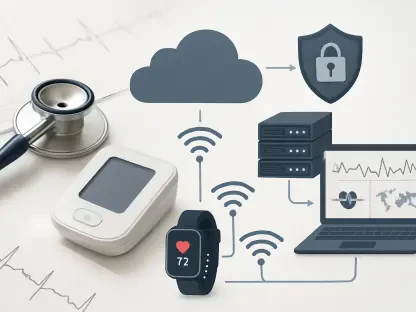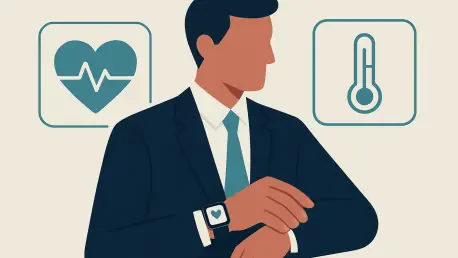

The transition from isolated medical devices to fully integrated Internet of Things (IoT) ecosystems has fundamentally redefined the operational standards for modern clinical environments and patient management strategies. It is no longer sufficient to simply procure hardware; organizations must
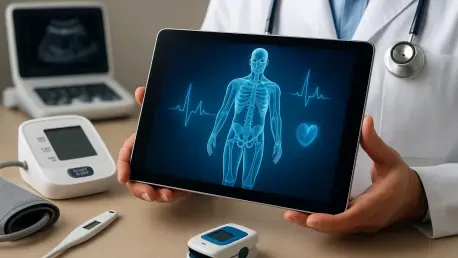
The rapid evolution of healthcare delivery is currently pivoting away from traditional, hospital-centric models toward a decentralized system that prioritizes individual autonomy and immediate access to clinical data. This transformation is largely fueled by the burgeoning home diagnostics sector,
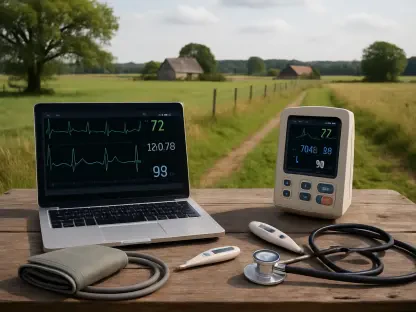
The rapid transition from centralized hospital-based care to a highly decentralized model of continuous surveillance is currently fundamentally altering how medical professionals manage chronic disease across the globe. As patients demand more autonomy and healthcare systems strive for greater
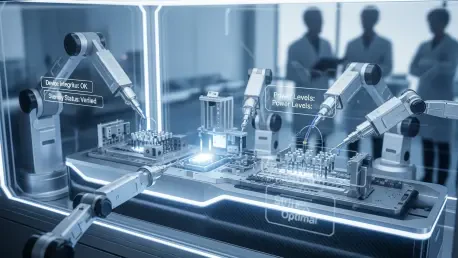
The modern healthcare environment demands a sophisticated equilibrium between the rapid deployment of groundbreaking technologies and the uncompromising mandate for patient safety and clinical efficacy. As surgical robotics and connected therapeutic systems become more integrated into routine care,
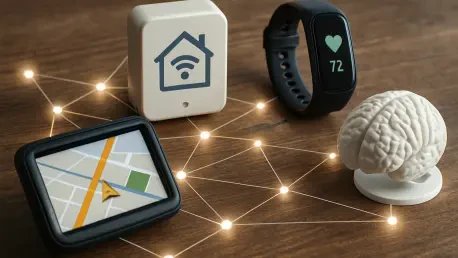
Modern life is increasingly defined by an invisible web of sensors that have migrated from the vast stretches of city infrastructure into the intimate corners of the private home. While the early days of the Internet of Things were dominated by the logistical management of public assets and the
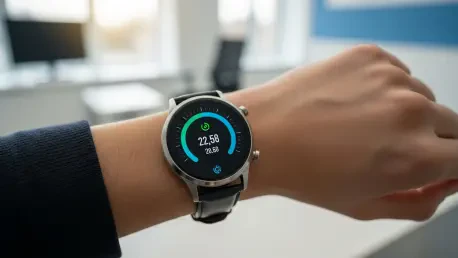
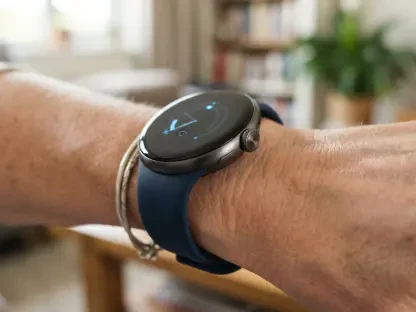
The promise of modern wearable technology was rooted in the idea that more data would lead to better health outcomes, yet many users now find themselves trapped in a cycle of digital anxiety. As wrist-worn sensors become more sophisticated, tracking everything from blood oxygen levels to autonomic