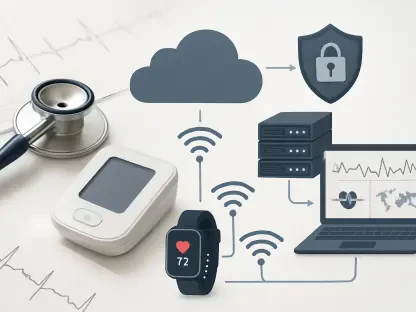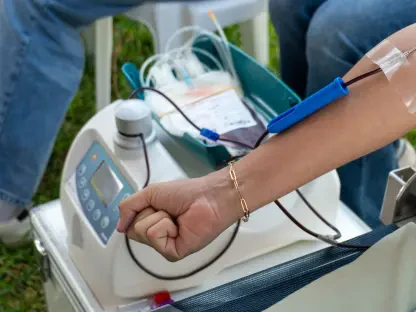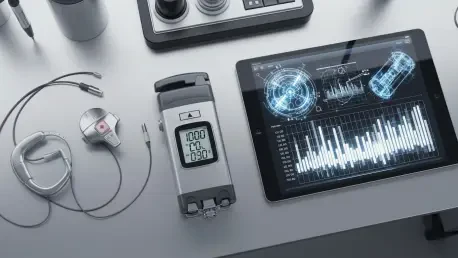
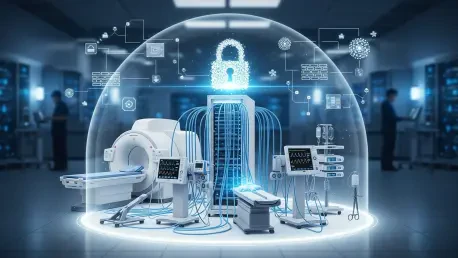
The integration of sophisticated internet-connected hardware into the clinical environment has fundamentally altered the paradigm of patient care, moving beyond mere convenience to become a critical component of life-sustaining treatment protocols. Today, a modern hospital operates as a sprawling

The contemporary healthcare landscape is undergoing a profound metamorphosis as medical services transition from centralized clinical facilities directly into the palms of patients via sophisticated mobile devices. This decentralization is not merely a matter of convenience but a fundamental shift

The proliferation of sleek, screenless wearables like the Fitbit Air has transformed personal health management from a niche hobby into a ubiquitous daily habit for millions of individuals worldwide. Many consumers now view these devices as essential companions for everything from light morning

Silent cerebrovascular conditions often present a paradox where the damage is done before the first symptoms are even recognized by the patient or their family. This medical reality has long forced healthcare systems into a reactive posture, treating strokes only after they occur rather than
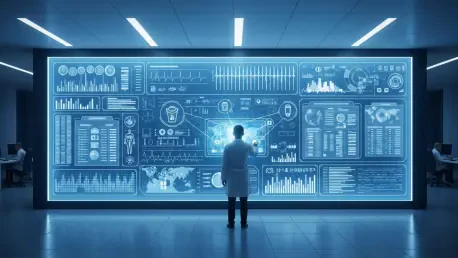
The contemporary healthcare landscape is defined by a paradoxical disconnect where millions of sophisticated sensors on wrists and fingers capture granular physiological data that remains largely invisible to the medical professionals responsible for patient care. While high-end consumer wearables

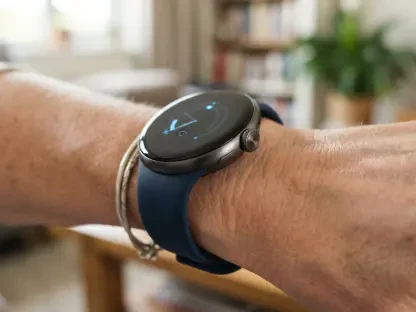
The rapid evolution of wearable technology has reached a pivotal moment where users are increasingly prioritizing discreet integration over the bulky screens and notification-heavy interfaces of traditional smartwatches. As the digital landscape becomes more crowded with intrusive devices, the