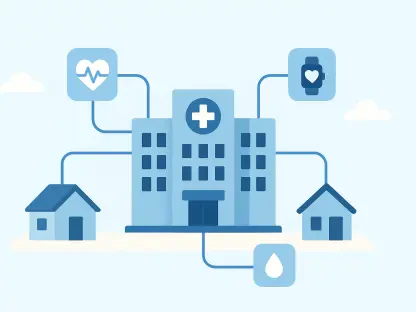

The transition from isolated medical devices to fully integrated Internet of Things (IoT) ecosystems has fundamentally redefined the operational standards for modern clinical environments and patient management strategies. It is no longer sufficient to simply procure hardware; organizations must now seek architects capable of weaving together complex threads of sensor data, cloud computation, and real-time clinical workflows. In the current environment of 2026, a misstep in partner selection can lead to more than just financial loss; it can result in fragmented care delivery, increased clinician fatigue, and significant risks to patient safety during critical monitoring phases. As the industry moves toward more decentralized models like hospital-at-home, the reliance on these digital backbones has intensified. A strategic partner must be able to harmonize diverse technical components while maintaining a relentless focus on the practical realities of the medical floor, ensuring that every byte of data serves a clear diagnostic or therapeutic purpose within the broader healthcare ecosystem. Selecting such a partner is a critical investment in the future viability of the medical institution.
Specialized Expertise and Clinical Synergy
Technical Foundations: Navigating the Medical Protocol Landscape
A cornerstone of a successful IoT partnership is the ability to master industry-specific communication protocols that ensure seamless data exchange across diverse medical devices and platforms. Generic expertise in consumer electronics or industrial automation is rarely sufficient for the rigorous demands of a hospital setting, where millisecond delays can impact critical care decisions. A qualified partner must demonstrate profound proficiency in standards such as Fast Healthcare Interoperability Resources (FHIR), Health Level Seven (HL7), and Digital Imaging and Communications in Medicine (DICOM), which serve as the common language for modern health systems. Furthermore, they should be well-versed in low-power communication methods like Bluetooth Low Energy (BLE) and lightweight messaging protocols like MQTT, which are essential for maintaining the connectivity of remote sensors. The technical maturity required to manage these protocols ensures that data flows reliably from the bedside to the cloud without losing its integrity.
Data Interoperability: Breaking Down Clinical Information Silos
Effective data utilization requires the ability of a partner to break down the data silos that often plague healthcare organizations, ensuring that information from wearable sensors, imaging equipment, and bedside monitors can be integrated into a single, cohesive view. This level of interoperability requires sophisticated API development and secure cloud-to-cloud synchronization that allows for real-time updates to Electronic Health Records (EHR). When data flows freely between devices and existing infrastructure, it becomes a powerful tool for holistic patient management rather than a series of disconnected notifications. A partner’s expertise in building these bridges ensures that the IoT solution is not just an isolated gadget but a central component of the clinical decision-making process. This seamless integration enables more accurate diagnoses and more personalized treatment plans based on a comprehensive set of patient data, allowing clinicians to respond more effectively to changes in patient health status during therapy.
Human-Centric Design: Synthesizing Workflow Needs and Digital Utility
Beyond the purely technical aspects of hardware and software, a strategic partner must possess what is often termed clinical empathy—a deep understanding of the actual workflows of healthcare professionals. Technology that is theoretically sound but practically disruptive to a nurse’s routine or a surgeon’s focus will inevitably face resistance and failure in a real-world setting. An effective partner engages with the human element of healthcare, designing interfaces and alert systems that reduce rather than contribute to alarm fatigue. This involves studying how devices are physically handled, how data is visualized on a dashboard, and how automated insights are delivered to the clinical team. By prioritizing the end-user experience, a partner ensures that the IoT ecosystem enhances the clinician’s ability to care for patients rather than becoming another administrative burden. This synthesis of technical excellence and clinical insight is what distinguishes a true strategic partner from a mere equipment vendor.
Operational Insights: Transforming Raw Telemetry into Action
The true value of a connected health system lies in its ability to transform raw telemetry into actionable intelligence through the application of advanced analytics and automated oversight. A strategic partner should offer capabilities in AI-assisted anomaly detection, which can alert clinicians to subtle changes in a patient’s condition before they become critical. Moreover, the partner must provide comprehensive lifecycle support, including predictive maintenance for hardware and continuous optimization of cloud performance. This DevOps approach ensures that the platform remains efficient, cost-effective, and technologically relevant as medical needs evolve. By providing insights into device utilization and performance metrics, a partner helps the organization maximize the return on its investment while preventing the burnout associated with managing large-scale technology deployments. The goal is to move from reactive troubleshooting to proactive management, where the technology consistently supports the ultimate objective of care.
Long-Term Utility and Regulatory Mastery
Security Architectures: Implementing Rigorous Protection Frameworks
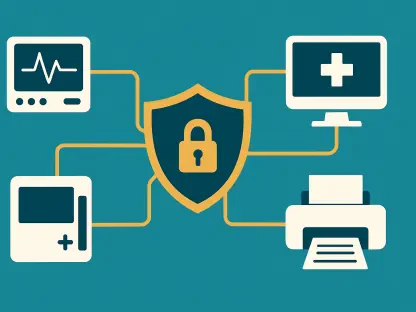
Security within the healthcare IoT landscape must be approached as a foundational element of the development lifecycle rather than an afterthought or a supplementary feature. As the number of connected devices grows, the potential attack surface for cybercriminals expands, making hospitals prime targets for sophisticated data breaches and ransomware attacks. A high-tier partner adopts a security-by-design philosophy, implementing end-to-end encryption for data both at rest and in transit. This includes the integration of robust device authentication mechanisms, secure boot processes, and frequent over-the-air (OTA) updates to patch vulnerabilities as they emerge. By treating every connected node as a potential point of entry, the partner protects the privacy of sensitive patient information and maintains the operational continuity of the healthcare network. Continuous monitoring and proactive threat detection are essential components of this defensive posture, ensuring that the ecosystem remains resilient against evolving cyber threats.
Regulatory Mastery: Navigating Global Healthcare Standards
Navigating the global regulatory landscape is a non-negotiable requirement for any partner operating in the medical technology sector where compliance is the baseline for trust. Adherence to frameworks such as the Health Insurance Portability and Accountability Act (HIPAA) or the General Data Protection Regulation (GDPR) is fundamental to the legal and ethical operation of a healthcare IoT platform. A competent partner goes beyond simple compliance, integrating ISO 13485 standards for medical device quality management and ISO 27001 for information security into their core development processes. This commitment to regulatory mastery ensures that all documentation, testing, and risk management protocols meet the stringent requirements of government agencies and international bodies. By aligning their operations with these high standards from the outset, a strategic partner mitigates the legal risks for the healthcare provider and facilitates the smooth introduction of new technologies into the clinical environment.
Institutional Resilience: Lessons from Successful IoT Deployments
The selection of an IoT partner proved to be a defining moment for healthcare administrators who prioritized sustainable innovation and patient safety throughout their digital transformation. Successful organizations implemented a rigorous evaluation process that examined a partner’s technical track record alongside their ability to integrate with existing medical workflows. These decision-makers sought partners who demonstrated a clear roadmap for scalability, ensuring that initial pilot programs could transition into enterprise-wide deployments without significant friction. By focusing on multi-layered security and deep protocol knowledge, they established a foundation that protected both patient data and institutional reputation. The emphasis shifted from short-term cost savings to the long-term value of a resilient, interconnected ecosystem. This proactive approach allowed healthcare providers to stay ahead of technological shifts, turning their IoT infrastructure into a strategic asset that supported high-quality care.
Strategic Collaboration: Driving Long-Term Value in Digital Health
Future-oriented health systems recognized that the relationship with an IoT partner functioned best as a long-term collaboration rather than a transactional agreement. They prioritized transparency in communication and a shared commitment to clinical excellence, which facilitated the rapid adoption of emerging technologies like edge computing and real-time remote diagnostics. This strategic alignment empowered clinicians with better data and more intuitive tools, ultimately leading to a measurable reduction in operational inefficiencies and improved patient recovery rates. The transition to a unified IoT platform addressed the challenges of data fragmentation and provided a scalable model for modernizing medical services across multiple departments. By investing in a partner with the vision to anticipate future healthcare needs, organizations secured their place at the forefront of the digital health revolution. These steps ensured that the integration of technology remained a catalyst for better care rather than a source of complexity.