
The rapid evolution of healthcare delivery is currently pivoting away from traditional, hospital-centric models toward a decentralized system that prioritizes individual autonomy and immediate access to clinical data. This transformation is largely fueled by the burgeoning home diagnostics sector, which allows consumers to perform sophisticated medical evaluations within their own living rooms without the historical necessity of scheduling appointments or visiting professional laboratories. Recent industry analysis indicates that this market, valued at approximately $7.3 billion in 2025, is projected to reach an impressive $13.1 billion by 2036, reflecting a steady compound annual growth rate of 5.5 percent. This trajectory is not merely a statistical anomaly but a fundamental reshaping of how medical services are consumed, as advancements in technology and shifting patient expectations converge to make self-testing a cornerstone of modern preventive care. As these tools become more intuitive and reliable, they are bridging the gap between professional medical expertise and daily health management, effectively turning the home into a primary site for early detection and chronic disease monitoring across the globe. This shift is also supported by a broader cultural movement toward health literacy, where individuals are no longer passive recipients of care but active participants in their own wellness journeys, armed with real-time data that enables more precise medical decision-making.
Demographic Influences: The Management of Chronic Conditions
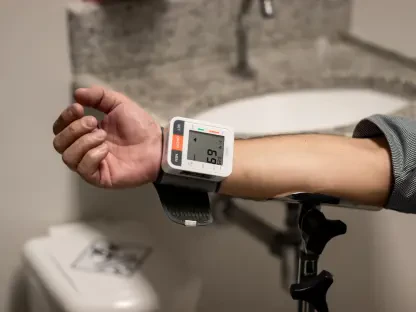
Chronic diseases such as diabetes, hypertension, and cardiovascular disorders continue to present the most significant burden on global health infrastructure, requiring constant vigilance and frequent diagnostic interventions. For millions of individuals, the ability to monitor key biomarkers on a daily basis is the difference between maintaining a stable quality of life and suffering from acute medical crises that necessitate emergency interventions. Home testing kits have emerged as a critical tool in this ongoing battle, providing patients with the means to track glucose levels, cholesterol, and blood pressure with high precision. By integrating these tests into their daily routines, individuals can make informed decisions about their diet, exercise, and medication adherence in real time, which significantly reduces the pressure on primary care physicians and outpatient clinics. This proactive approach to health management is particularly vital in the context of rising healthcare costs, where preventing a complication at home is far more cost-effective than treating a late-stage symptom in a critical care unit. Furthermore, the decentralization of diagnostic services allows for a more equitable distribution of medical resources, ensuring that those in remote areas have the same level of oversight as those in urban centers, thereby creating a more inclusive global healthcare landscape.
Beyond the management of specific illnesses, the global demographic shift toward an aging population, frequently described as the “silver tsunami,” is acting as a primary catalyst for the expansion of home-based medical care. As people live longer, the prevalence of age-related mobility issues increases, making the physical journey to a diagnostic center a daunting and sometimes impossible task for many elderly citizens. Home diagnostic tools provide a solution that respects the independence of the aging population while ensuring they receive the consistent monitoring necessary to catch potential health issues before they escalate. This trend is particularly evident in developed nations where the infrastructure for home-based healthcare is becoming more robust and integrated into standard insurance coverage plans. Furthermore, as the younger, tech-savvy generation ages, their familiarity with digital health tools will likely accelerate the adoption of even more complex home testing systems, ensuring that the market for these products remains resilient and grows in sophistication over the coming decade. The intersection of an aging society and digital fluency is creating a unique market environment where user-friendly, high-accuracy diagnostic devices are no longer a luxury but an essential component of the social safety net for seniors living independently.
Technological Innovations: The Transition to High-Precision Biosensors
The technical capabilities of home diagnostic devices have undergone a radical transformation, moving from rudimentary paper-based assays to sophisticated platforms that utilize advanced microfluidics and nanotechnology. These modern systems are now capable of analyzing complex biological samples, such as blood, saliva, or urine, with a level of accuracy that was once reserved strictly for high-end medical facilities. The development of highly sensitive biosensors has been instrumental in this progress, allowing for the detection of minute quantities of specific proteins or genetic markers associated with various diseases. These sensors are often integrated into small, handheld devices that provide instant digital readouts, eliminating the ambiguity often associated with manual color-changing tests. This precision not only boosts consumer confidence in the results but also enables healthcare providers to trust the data generated at home, facilitating better-informed remote consultations and reducing the need for confirmatory testing in clinical settings. As the manufacturing processes for these biosensors become more efficient, the cost of entry for consumers is decreasing, making high-level medical technology accessible to a much broader segment of the global population than ever before.
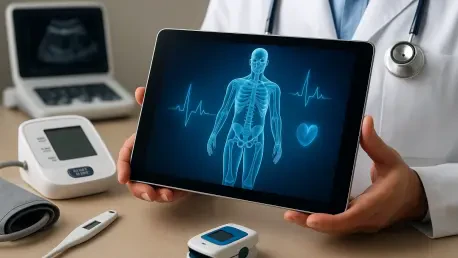
Digital connectivity and the integration of the Internet of Things have further expanded the utility of these diagnostic tools, turning standalone devices into components of a broader health data ecosystem. Many of the latest home testing kits are designed to synchronize automatically with smartphone applications via Bluetooth, allowing for the seamless tracking of health metrics over long periods. When this wealth of data is processed through artificial intelligence algorithms, it can identify subtle trends and anomalies that might go unnoticed during a standard check-up. For instance, a system might notice a gradual trend in rising blood sugar levels weeks before they reach a dangerous threshold, prompting an early intervention that could prevent a full-blown diabetic episode. This continuous stream of information provides a comprehensive view of a person’s health status, enabling a shift from reactive medicine to a truly personalized and predictive model of care that adapts to the unique physiological needs of every user. Moreover, the ability to share this data securely with medical professionals ensures that patients receive timely advice based on objective, long-term evidence rather than isolated readings, thereby improving the overall quality and efficiency of the patient-doctor relationship.
Segment Dominance: The Impact of Metabolic and Infectious Disease Testing
Within the broad spectrum of home diagnostics, glucose monitoring continues to represent the most significant market share, currently accounting for more than 45 percent of total industry revenue. This dominance is driven by the global rise in diabetes prevalence and the widespread adoption of continuous glucose monitors, which have revolutionized how patients manage their insulin levels. Unlike traditional finger-prick tests that only provide a snapshot of blood sugar at a specific moment, these devices offer a real-time, 24-hour view of metabolic activity, alerting users to sudden drops or spikes as they happen. This technology has significantly improved patient outcomes by reducing the risk of hypoglycemia and long-term complications associated with poorly managed diabetes. As these devices become smaller, more affordable, and more integrated with automated insulin delivery systems, their role in the home diagnostic market is expected to solidify further, setting a high standard for how other chronic conditions might be managed in the future. The success of this segment serves as a blueprint for the expansion of other monitoring tools, proving that when technology reduces the friction of medical compliance, patient engagement and health outcomes improve dramatically.
While metabolic health remains the primary driver, other sectors such as infectious disease and reproductive health testing are experiencing a period of rapid diversification and growth. The global experience with large-scale health crises in recent years has normalized the use of rapid antigen tests and molecular diagnostics among the general public, leading to a permanent change in consumer behavior. People are now more likely to seek out home-based solutions for common respiratory infections, sexually transmitted diseases, and even complex health screenings like cholesterol and vitamin levels. Additionally, the market for reproductive health tools, including high-precision fertility and pregnancy tests, has expanded to include digital monitors that offer detailed insights into hormonal cycles. This diversification reflects a broader cultural trend toward health literacy and the desire for privacy, as many consumers prefer the discretion of testing for sensitive conditions in the security of their own homes rather than in a public medical environment. This shift toward self-screening for infectious diseases also plays a crucial role in public health by allowing individuals to identify and isolate illnesses earlier, potentially slowing the spread of infections within communities and reducing the burden on public health clinics.
Geographic Expansion: The Evolution of Retail Distribution
North America remains the leading regional market for home diagnostics, supported by a sophisticated healthcare infrastructure and a high rate of digital adoption among both providers and patients. The region’s growth is further bolstered by favorable regulatory environments and insurance policies that increasingly recognize the cost-saving potential of remote patient monitoring. However, the Asia Pacific region is rapidly emerging as a formidable competitor, projected to experience the highest growth rate over the next decade. The combination of rapid urbanization, an expanding middle class, and high smartphone penetration in countries like China and India is creating a massive demand for accessible healthcare solutions. In many parts of this region, home diagnostics provide a way to bypass overcrowded urban hospitals or reach rural populations that lack proximity to laboratory facilities. This geographic shift is prompting global manufacturers to tailor their products to the specific needs and price points of these emerging markets, often focusing on mobile-first diagnostic platforms that prioritize ease of use and low maintenance. As these regions continue to invest in digital infrastructure, the potential for high-volume adoption of connected health tools will likely reshape the competitive dynamics of the global industry.
The distribution landscape for home diagnostic products is also shifting, with online pharmacies and direct-to-consumer platforms quickly gaining ground against traditional brick-and-mortar retail outlets. While local pharmacies still serve as a vital point of access for many, the convenience and anonymity of ordering tests through digital channels have proven highly attractive to a younger demographic. Many companies are now utilizing subscription-based models, where patients receive regular shipments of necessary testing supplies, ensuring they never run out of the tools needed for chronic disease management. This evolution in the supply chain is also allowing manufacturers to gather better data on consumer preferences and usage patterns, which can be used to refine product designs and marketing strategies. As e-commerce infrastructure continues to improve globally, the ease of purchasing sophisticated medical tests will likely become a major factor in the continued democratization of diagnostic information and the expansion of the market into new consumer segments. Furthermore, the integration of educational resources directly into purchase platforms helps users understand their results, closing the loop between the acquisition of a test and the practical application of its findings to their personal health strategy.
Regulatory Landscapes: The Construction of Healthcare Ecosystems
Leading companies in the home diagnostic space are increasingly moving away from the production of standalone hardware, focusing instead on the creation of integrated healthcare ecosystems that combine hardware, software, and services. These organizations are investing heavily in strategic partnerships with telehealth providers to ensure that a positive test result can be immediately followed by a professional medical consultation via video or chat. This model creates a seamless user experience that addresses one of the primary criticisms of home testing: the potential for patient confusion or anxiety following an unexpected result. By providing a clear pathway to medical advice, companies can ensure that home diagnostics are used responsibly and effectively, bridging the gap between raw data and clinical action. This holistic approach not only adds value for the consumer but also provides a more sustainable business model for companies, as they transition from being mere equipment vendors to becoming essential partners in the long-term health journey of their customers. This integration also allows for the collection of more robust clinical evidence, which can be used to prove the efficacy of home-based care to insurers and governmental health agencies.
Despite the optimistic market projections, several structural challenges remain that could impede the widespread adoption of new diagnostic technologies. Stringent government regulations regarding the clinical accuracy and safety of home-use devices are necessary but can also lead to long lead times for product approvals, particularly in highly regulated markets. Furthermore, as diagnostic tools become more connected, concerns regarding data privacy and the security of sensitive medical information have moved to the forefront of the industry’s agenda. Ensuring that patient data is protected from cyber threats while remaining accessible to authorized healthcare providers is a complex technical and legal challenge that requires constant vigilance. Additionally, the lack of standardized insurance reimbursement for certain home kits in various parts of the world remains a significant barrier for lower-income populations who could benefit most from these tools. Addressing these issues will require ongoing cooperation between technology developers, regulatory bodies, and insurance providers to create a framework that supports innovation while protecting the public interest. Only by establishing clear standards for data security and accuracy can the industry maintain the high level of public trust required for continued market expansion.
Future Considerations: Actionable Steps for Industry Stakeholders
The evolution of the home diagnostics market demonstrated a clear trajectory toward a more patient-empowered and digitally integrated future. Stakeholders who achieved the greatest success prioritized the development of interoperable systems that shared data seamlessly with electronic health records used in professional clinics. Manufacturers focused on adopting universal data standards, ensuring that their devices remained as user-friendly as possible to minimize the risk of human error during the testing process. Healthcare providers integrated home-generated data into their diagnostic workflows, viewing these tools as valuable extensions of their practice rather than obstacles. Furthermore, investors and developers paid close attention to the untapped potential in specific health areas such as mental health monitoring and gut microbiome analysis, which represented the next frontier of personalized diagnostics. By focusing on high-need, low-access areas of medicine, the industry proved its value as a vital component of the global healthcare system while expanding its reach to new and underserved populations. This proactive stance ensured that the technology remained relevant in a rapidly changing medical landscape where the patient’s role was fundamentally redefined.
Industry leaders successfully navigated the complexities of miniaturizing laboratory technology while maintaining the rigorous standards required for medical accuracy. They also managed to bridge the gap between retail availability and clinical utility by fostering closer ties with telemedicine networks, creating a comprehensive care model that started and ended in the home. As the sector moved toward the target valuation, the focus shifted toward making these tools more affordable and ensuring that the data they produced were handled with the highest level of security. This transition required a significant investment in both physical infrastructure and software development, but the resulting gains in patient compliance and early disease detection were substantial. Organizations that survived and thrived were those that viewed home diagnostics not as a standalone product, but as a gateway to a broader suite of health services. This comprehensive strategy was essential in transforming home diagnostics from a niche convenience into a fundamental pillar of the global strategy for chronic disease management and preventive healthcare. Ultimately, the industry provided the tools necessary for a global population to take definitive control over their health, proving that the most effective healthcare was often that which was closest at hand.