
The rapid transition from centralized hospital-based care to a highly decentralized model of continuous surveillance is currently fundamentally altering how medical professionals manage chronic disease across the globe. As patients demand more autonomy and healthcare systems strive for greater efficiency, the market for implantable remote patient monitoring devices has emerged as a cornerstone of modern clinical practice. Current projections suggest this sector will exceed a total valuation of $27 billion by 2030, representing a massive surge driven by technological maturation and increased adoption rates. While previous iterations of this technology were hindered by prohibitive costs and limited public understanding, those barriers have largely dissolved. Modern implants are no longer experimental novelties; they are essential diagnostic tools that bridge the gap between periodic clinical visits and the reality of living with a chronic condition. By integrating these systems into standard care, the medical community is moving away from the limitations of the past toward a future where health data is both constant and actionable.
Engineering the Future of Internal Health Data
Internal Sensing: Precision Beyond Surface Measurements
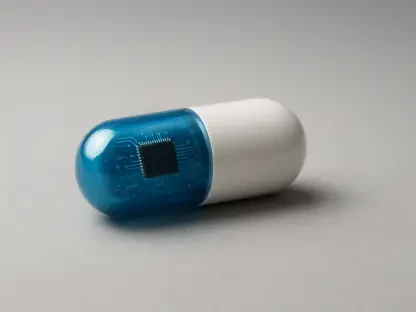
Implantable devices offer a level of diagnostic fidelity that external wearables simply cannot replicate because they interact directly with the internal biological environment. These miniature sensors, which are surgically positioned within the body, monitor critical metrics such as cardiac rhythms, pulmonary artery pressure, and interstitial glucose levels with unprecedented accuracy. By bypassing the interference often encountered by skin-worn sensors, such as motion artifacts or poor contact, internal devices provide a clean and continuous stream of high-quality data. These modules are designed to operate autonomously, utilizing low-power wireless protocols to transmit findings to external hubs or mobile applications without requiring any manual input from the patient. This seamless automation ensures that the data collection process is both consistent and unobtrusive, allowing patients to maintain their normal daily routines while their health is being monitored at a microscopic level.
Proactive Medicine: Transforming Data into Clinical Action
The true value of internal monitoring technology lies in its ability to facilitate a fundamental shift from reactive to proactive medical management. In traditional healthcare models, patients often wait until they feel unwell before seeking medical attention, which can lead to late-stage diagnoses and emergency hospitalizations. However, the integration of constant data streams allows physicians to intervene at the earliest sign of physiological distress. For instance, an implantable loop recorder can identify an asymptomatic arrhythmia, prompting immediate medication adjustments that prevent a stroke or heart failure event. This proactive approach not only improves patient outcomes but also optimizes the allocation of healthcare resources by reducing the burden on emergency departments and intensive care units. By addressing health concerns in their infancy, the medical community can foster a more sustainable and effective system that prioritizes long-term wellness over crisis management.
Catalysts for Widespread Clinical Adoption
Socioeconomic Drivers: Aging Populations and Policy Shifts
The escalating demand for implantable monitoring solutions is inextricably linked to the broader demographic shift toward an aging global population. As the prevalence of age-related chronic conditions like diabetes and cardiovascular disease continues to rise, there is an urgent need for surveillance methods that are both effective and non-disruptive. This demographic pressure has been met with significant changes in the regulatory and economic landscape, particularly regarding insurance coverage and government reimbursement. In recent years, healthcare payers have increasingly recognized the cost-saving potential of remote monitoring, leading to more favorable policies that make these advanced procedures accessible to a wider segment of the population. These economic incentives have encouraged hospitals and private clinics to invest in the necessary infrastructure to support such programs, further accelerating the integration of these devices into the standard of care.
Telehealth Synergy: Digital Platforms and Patient Access
The technological ecosystem surrounding implantable devices has also benefited from the rapid expansion of telehealth services and digital health platforms. Telehealth acts as the essential conduit through which the data from internal sensors is delivered to medical professionals, providing the interface for remote consultations and data analysis. In regions like North America, the widespread adoption of digital health tools has prepared both patients and clinicians for a digital-first approach to medicine. This cultural shift has been crucial in overcoming the initial skepticism that often accompanies the introduction of invasive medical technologies. Today, the infrastructure for remote monitoring is robust, with secure cloud-based systems and sophisticated algorithms that help doctors sift through vast amounts of information to find actionable insights. This synergy between hardware and software has created a powerful framework for modern medicine, ensuring the benefits of internal sensing are realized.
Global Horizons: Innovation and Market Expansion
Emerging Trends: Advanced Sensors and Geographic Growth
Recent technological trends have significantly expanded the scope of what internal devices can achieve, moving beyond simple rhythm monitoring to complex biochemical analysis. New sensors can now detect subtle shifts in internal fluids and pressure changes, providing a level of detail that was previously impossible outside of a hospital setting. This innovation is particularly vital for managing advanced heart failure, where early detection of pulmonary congestion can prevent a total system collapse. Geographically, while the United States remains the leader in this market due to its advanced infrastructure, the demand for these life-saving technologies is growing rapidly across Asia and Europe. As more regions modernize their medical systems and adopt universal digital health standards, the accessibility of implantable monitoring is expected to become a global norm, ensuring that high-quality cardiac and metabolic care is available to patients regardless of their location.
Strategic Implementation: Enhancing Clinical Outcomes Through Data Optimization
The integration of implantable monitoring systems into mainstream clinical practice reached a critical milestone as healthcare organizations successfully developed robust frameworks for managing continuous data streams. Medical practitioners moved away from traditional episodic care models and adopted sophisticated triaging protocols that prioritized immediate interventions based on real-time physiological changes. This transition required a significant investment in digital infrastructure, but the resulting reduction in emergency hospitalizations proved the long-term value of the technology. To further advance this field, industry leaders focused on improving the interoperability between different sensor manufacturers and centralized health records. These efforts ensured that vital information remained accessible across different care settings, preventing the formation of data silos. Ultimately, the industry established a new standard of care that emphasized prevention and precision, providing a clear roadmap for chronic disease management.