
While modern wearable technology provides an unprecedented amount of data, many devices still operate on a foundational bias that prioritizes male physiology as the universal standard for health metrics. For over a decade, fitness trackers have transitioned from simple pedometers into complex medical-grade monitors, yet the core logic used to interpret this wealth of information often remains rooted in male-centric research. Major tech companies have introduced features such as menstrual cycle tracking and skin temperature sensors, but these are frequently treated as isolated additions rather than integrated components of the broader health ecosystem. Consequently, the user experience for women is often fragmented, with the device failing to account for the unique biological shifts that define the female experience. This ongoing discrepancy leaves a massive gap in how health data is processed, resulting in a system that offers generic advice instead of the nuanced, actionable insights required for true wellness and long-term health management.
The Physiological Gap: Why Standard Metrics Fail
A fundamental obstacle in the current wearable landscape is the “male-as-default” approach that governs biometric algorithms like Heart Rate Variability (HRV) and readiness scores. These metrics are typically benchmarked against male physiological data, which generally adheres to a steady 24-hour circadian rhythm. In contrast, women navigate a secondary, longer cycle known as the infradian rhythm, which introduces predictable but significant fluctuations in body temperature, heart rate, and metabolic rate throughout the month. Because many trackers are not programmed to recognize these hormonal shifts as natural, they often flag a rise in resting heart rate during the luteal phase as a sign of overtraining, high stress, or impending illness. This leads to a persistent feedback loop of inaccurate warnings that can cause unnecessary anxiety or lead users to ignore the device altogether. Without a fundamental redesign of how these algorithms baseline “normal” behavior, wearables will continue to provide data that is technically accurate but contextually irrelevant for a large portion of the global population.
The reliance on male-dominated data sets also extends to high-level performance metrics such as VO2 max and recovery time estimates, which are essential for athletes. Most algorithmic models used to calculate aerobic capacity do not adequately factor in the impact of hormonal contraceptive use or the natural variance in blood plasma volume that occurs during a woman’s cycle. This lack of specificity means that women often receive performance scores that do not reflect their true physiological state or actual athletic potential. Furthermore, the “readiness” or “body battery” scores popularized by leading brands rarely adjust their sensitivity based on the specific metabolic demands of different cycle phases. By ignoring the reality that a woman’s body manages energy and recovery differently depending on her internal environment, these devices fail to serve as the sophisticated training partners they claim to be. Instead of empowering users with precision, the technology often forces them to manually adjust their expectations to compensate for the hardware’s inherent lack of foresight.
Structural and Physical Gaps: From Context to Hardware
Data fragmentation remains a significant hurdle, as even the most advanced trackers struggle to integrate life-altering events like pregnancy or menopause into their core health assessments. A user may diligently log symptoms of perimenopause or the erratic sleep schedules associated with breastfeeding, yet the device’s software often treats these data points as peripheral noise rather than critical context. For instance, a mother waking up multiple times a night for a newborn might be penalized with a low recovery score, even though her physiological response is a normal adaptation to her current life stage. The software rarely offers a “pregnancy mode” that recalibrates heart rate zones and activity goals to reflect the increased strain on the cardiovascular system during gestation. This lack of structural integration means that at the very moments when women need the most specialized health guidance, their technology is often at its most unhelpful. Moving toward a more holistic model requires that these life stages be treated as primary states rather than temporary deviations from a male norm.
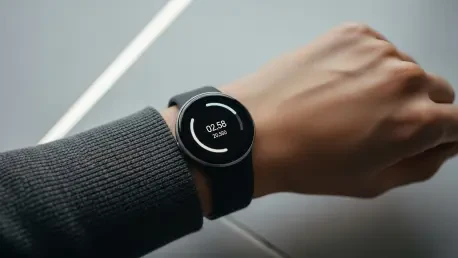
Ergonomic challenges also play a critical role in the data gap, as the physical design of high-end wearables is frequently optimized for larger wrists and body frames. To house the advanced sensor suites required for blood oxygen monitoring and electrocardiograms, devices have become increasingly bulky, which presents a significant problem for sensor accuracy on smaller wrists. When a tracker does not sit flush against the skin, ambient light can enter the gap between the sensor and the arm, leading to “noise” that distorts heart rate readings during exercise. This physical mismatch creates a situation where women must choose between wearing a device that is uncomfortable and intrusive or accepting data that is inherently less reliable than that collected from a male user. Furthermore, the aesthetics of many high-performance watches prioritize a rugged, oversized look that does not always align with the daily needs or preferences of female consumers. True parity in the market requires not just better software, but a commitment to industrial design that treats female ergonomics as a primary consideration.
The Path Forward: Redefining Standards for Wellness
The transition toward a truly inclusive health technology ecosystem requires the industry to move beyond the superficial addition of features and toward a complete re-evaluation of data modeling. Closing the historical research gap is the first step, and initiatives like the ongoing Apple Women’s Health Study have started to provide the large-scale data necessary to build more accurate algorithms. In the coming years, the most successful manufacturers will likely be those that integrate specialized tracking for conditions such as endometriosis and polycystic ovary syndrome into their primary user interface. These improvements will allow for earlier detection of health issues and more effective management of chronic conditions through personalized data. By ensuring that female-specific health data is not siloed but is instead used to inform every aspect of a device’s output, the industry can finally deliver on the promise of wearable technology. The focus must shift from simply collecting more data to interpreting that data through a lens that acknowledges biological diversity.
To truly serve their users, companies prioritized the development of adaptive baselines that recognized life transitions as central to the health experience. By shifting the focus from a universal male standard to a flexible, personalized model, the industry laid the groundwork for technology that genuinely understood the female body. This evolution required a deep commitment to both medical research and user-centered design, ensuring that hardware was as inclusive as the software it supported. Ultimately, the industry moved toward a situation where fitness trackers functioned as reliable medical companions, providing the clarity and support that women had been seeking for years. As these advancements became the standard, the gap between data collection and meaningful health insights finally began to close. This shift not only improved the utility of individual devices but also fostered a more equitable approach to digital health that benefited all users. Success was measured not just by sensor accuracy, but by how well the technology integrated into the complex realities of human biology.