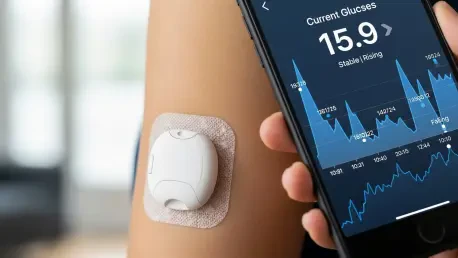

The transition of medical diagnostics from a purely human-led endeavor to a technologically augmented discipline represents the most significant shift in clinical methodology witnessed over the last century. In 2026, healthcare providers are no longer debating whether artificial intelligence has a
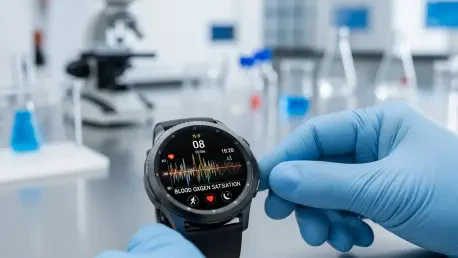
The rapid evolution of wearable technology has officially crossed the threshold from casual health monitoring into the rigorous and highly regulated domain of pharmaceutical research and development. For years, the commercial success of smartwatches was tied to step counts and heart rate graphs,

The persistent disparity in medical research and diagnostic accuracy between genders has long sidelined the specific physiological needs of women, creating a systemic imbalance that modern health technology is finally beginning to dismantle with targeted investment. This landscape of inequality is
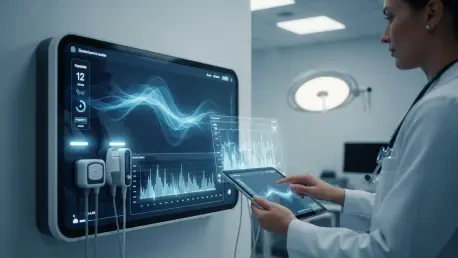
As the sunset fades over a small Midwestern town where the only hospital within a fifty-mile radius shuttered its doors just last month, residents face the daunting reality of a healthcare desert that forces them to choose between long drives and delaying critical care. This scenario has become

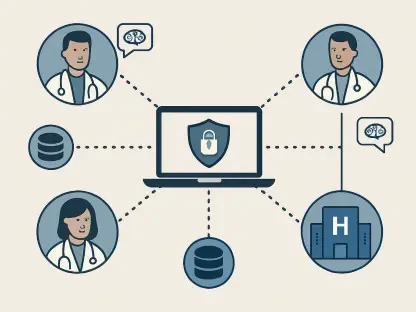
The rapid integration of sophisticated network-connected devices into the global healthcare ecosystem has fundamentally altered the paradigm of patient care by offering unprecedented levels of real-time monitoring and diagnostic precision. This shift toward the Internet of Medical Things (IoMT) is

The modern workforce and constant connectivity have pushed human physiology to its limits, creating a global health crisis where nearly one-third of the population suffers from chronic sleep deprivation. To address this mounting challenge, Monash University and Brigham and Women’s Hospital have