
The rapid convergence of sophisticated artificial intelligence and miniaturized sensor technology is fundamentally reshaping the way medical professionals approach stroke prevention and early diagnostic intervention. In an environment where every second counts, the traditional model of reactive medicine is being replaced by a proactive, continuous monitoring paradigm that allows for the detection of physiological anomalies long before they manifest as a full-scale neurological event. This shift is particularly critical for stroke victims, for whom the “golden hour” of treatment often determines the difference between full recovery and permanent disability or death. By integrating biosensors into everyday items like watches, rings, and patches, the industry is creating a safety net that follows the patient everywhere, moving beyond the sterile walls of the hospital into the daily lives of millions. As these devices become increasingly sophisticated, they are capable of identifying the subtle precursor signals of ischemic strokes, such as specific patterns of atrial fibrillation or minute changes in neurological function that would otherwise go unnoticed by the patient or their caregivers. This technological evolution marks a pivotal moment in digital health, where the data-driven insights of AI are directly translated into life-saving actions, setting the stage for a dramatic transformation in global healthcare outcomes over the next decade.
Explosive Market Growth and Financial Projections
The financial trajectory of the AI-enabled stroke detection wearable market suggests a period of unprecedented expansion, transitioning from a specialized niche into a cornerstone of the medical device industry. Currently, in 2026, the market has already established a firm foothold as healthcare providers and consumers alike recognize the value of real-time monitoring. While the global market was valued at approximately $32 million just a year ago, it is now positioned at the start of a steep upward climb that is projected to reach over $441 million by 2035. This growth is underpinned by a robust compound annual growth rate of 30.1%, a figure that reflects both the increasing technical reliability of these devices and the growing trust from the medical community. Investors are pouring capital into startups that specialize in proprietary detection algorithms, recognizing that the hardware is only one half of the equation. The real value lies in the software’s ability to provide actionable intelligence that can reduce hospital readmission rates and long-term care costs.
This rapid financial expansion is not merely a result of technological novelty but is a direct response to a burgeoning global health crisis that demands more efficient diagnostic tools. Strokes remain a leading cause of death and disability worldwide, creating an immense economic burden on healthcare systems that are already struggling with rising costs. By shifting the focus toward early detection and preventive alerts, these AI wearables aim to mitigate the severity of stroke events, thereby reducing the need for intensive long-term rehabilitation and chronic care services. Governments and private insurers are beginning to take note, with many now exploring reimbursement models for wearable devices that can prove their efficacy in clinical settings. As the cost of sensor manufacturing continues to decline and the accuracy of AI models improves, the barrier to entry for consumers is lowering, further fueling the demand for these life-saving tools across diverse socioeconomic backgrounds.
Technological Foundations: Sensors and Algorithms
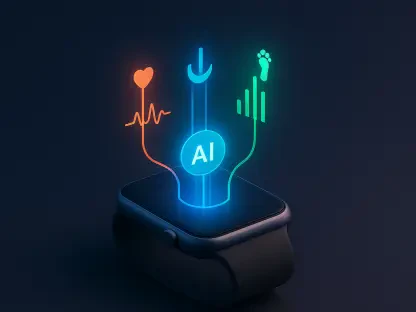
The core effectiveness of modern stroke detection wearables is built upon a foundation of multimodal biosignal fusion, which allows for a comprehensive assessment of a patient’s physiological state. These devices have evolved far beyond simple pulse oximetry or heart rate tracking; they now incorporate advanced sensors capable of measuring electrical brain activity, blood flow velocity, and subtle changes in skin temperature. By combining data from accelerometers that track gait and balance with electrocardiogram sensors that monitor heart rhythm, these wearables can identify the complex set of symptoms that often precede an ischemic event. This holistic approach is essential because strokes rarely present with a single, isolated symptom; rather, they involve a cascade of physiological changes that require a broad observational lens to detect accurately. The integration of these sensors into flexible, lightweight materials ensures that they can be worn comfortably for extended periods, providing the continuous data stream necessary for high-fidelity monitoring.
At the heart of these sophisticated hardware components are advanced machine learning algorithms that function as a digital nervous system, processing vast quantities of health data in real time. These algorithms are designed to be adaptive, meaning they can learn the unique baseline of an individual user over time, which significantly improves their ability to distinguish between normal physical exertion and dangerous neurological deviations. By focusing on high-precision detection, these software tools are engineered to recognize the specific signatures of stroke onset while minimizing the risk of false positives that could lead to unnecessary emergency room visits. Developers are increasingly utilizing deep learning architectures that have been trained on massive datasets of both healthy and pathological physiological patterns. This rigorous training process allows the AI to provide a level of diagnostic nuance that was previously only available through expensive, hospital-based imaging and monitoring equipment, effectively bringing a laboratory-grade diagnostic tool to the wrist of the average patient.
Socioeconomic Drivers and Demographic Shifts
One of the most powerful forces driving the global demand for AI-enabled stroke detection is the rapidly aging population in both developed and emerging economies. As the percentage of elderly individuals increases, the incidence of cardiovascular diseases, hypertension, and atrial fibrillation naturally rises, creating a demographic environment where the risk of stroke is a primary public health concern. Traditional healthcare systems are often ill-equipped to provide the level of constant, one-on-one monitoring required for high-risk seniors, making automated wearable solutions an attractive alternative. These devices empower older adults to maintain their independence while providing their families and healthcare providers with the peace of mind that a silent health crisis will not go unnoticed. This social shift toward “aging in place” is supported by a growing cultural acceptance of digital health tools, as modern seniors become more tech-savvy and comfortable with the idea of wearing a device that monitors their vital signs.
Beyond the aging demographic, the expansion of global telecommunications infrastructure, particularly 5G connectivity, has created a fertile ground for these devices to thrive. The ability to transmit high-resolution health data to cloud-based servers for instant analysis means that a patient in a rural or underserved area can receive the same level of diagnostic oversight as someone living near a major metropolitan medical center. This democratization of healthcare is a key driver for international health organizations, which see AI wearables as a way to bridge the gap in medical access. Furthermore, the rise of remote patient monitoring as a standard of care has encouraged physicians to integrate wearable data into their clinical workflows. By having access to a continuous record of a patient’s health rather than a single snapshot from a periodic office visit, doctors can make more informed decisions about medication adjustments and lifestyle interventions, ultimately lowering the overall risk of a catastrophic medical event.
Navigating Regulatory Landscapes and Clinical Accuracy
Despite the optimistic growth projections, the market for stroke detection wearables faces significant hurdles, particularly regarding the rigorous process of regulatory approval and clinical validation. Because these devices are marketed as tools for critical clinical decision-making, they must adhere to the stringent safety and efficacy standards set by organizations like the FDA and the European Medicines Agency. Manufacturers are required to conduct extensive clinical trials to prove that their sensors and algorithms are not only accurate but also reliable across a wide range of patient demographics, including different ages, ethnicities, and pre-existing conditions. This regulatory scrutiny is essential to ensure that a device does not provide a false sense of security or, conversely, trigger a cascade of unnecessary medical procedures. The path from a successful laboratory prototype to a cleared medical device is often long and fraught with technical challenges, requiring a level of scientific evidence that many consumer-grade tech companies are still learning to provide.
Clinical accuracy remains the primary metric by which these devices are judged, and developers must strike a delicate balance between sensitivity and specificity. A device that is too sensitive may generate a high number of false alarms, leading to “alarm fatigue” among patients and clinicians, while a device that lacks sensitivity could fail to detect a genuine stroke, with fatal consequences. Improving these metrics requires constant refinement of the AI models and the use of higher-quality sensors that can filter out ambient noise and motion artifacts. Additionally, the high costs associated with research, development, and clinical testing create a significant barrier for smaller startups, often leading to a market dominated by well-funded corporations. To overcome these barriers, many companies are forming strategic partnerships with academic institutions and large hospital networks to gain access to the data and clinical environments needed to validate their technologies in real-world scenarios.
Segment Specialization and Global Regional Dynamics
The market is currently undergoing a process of specialization, with different segments catering to various levels of medical risk and consumer preference. Currently, wearable ECG monitors represent the largest share of the market, primarily because they address atrial fibrillation, which is a well-documented and treatable precursor to many ischemic strokes. However, the most significant growth is projected to occur in the software and AI services segment, where the proprietary logic used to interpret biosignals becomes the primary differentiator between competing products. This indicates a shift in the industry’s value proposition; while the physical device is a necessary conduit, the true intellectual property and market value reside in the intelligence of the algorithms. As these software platforms become more cloud-integrated, they offer a recurring value through subscription-based monitoring services that provide detailed health reports and long-term trend analysis for both patients and their physicians.
From a geographic perspective, North America maintains its position as the market leader, supported by a sophisticated healthcare infrastructure, high levels of digital literacy, and a regulatory environment that is increasingly open to digital health innovation. However, the Asia-Pacific region is emerging as the fastest-growing market, driven by a combination of a massive population base and a rapid digital transformation in countries like China, India, and Japan. These nations are investing heavily in AI-driven healthcare initiatives to modernize their medical systems and manage the health of their large, aging populations. The high rate of smartphone adoption in these regions provides the necessary interface for wearable devices, making it easier for manufacturers to deploy their products at scale. As local companies in the Asia-Pacific region begin to develop their own AI-enabled medical devices, the competition is expected to intensify, leading to further price reductions and technological advancements that will benefit patients globally.
Strategic Pathways toward Integrated Care Systems
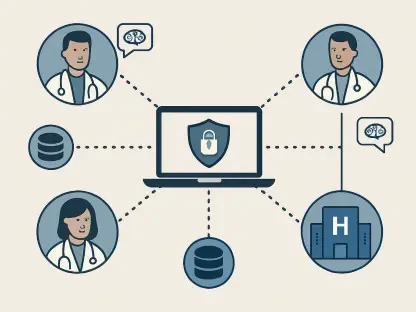
The evolution of the stroke detection market reached a critical juncture where the focus moved from individual devices to integrated ecosystem connectivity. In the past, wearable data often existed in a vacuum, requiring the patient to manually share alerts with their doctor or call for help during an emergency. Modern advancements have shifted this toward a closed-loop system where the device, the cloud, and the emergency response network are seamlessly linked. When a potential stroke is detected, the AI does not simply vibrate the user’s wrist; it simultaneously transmits a high-priority alert to the nearest emergency dispatch center, provides the patient’s precise GPS location, and uploads a summary of recent physiological data to the responding paramedics. This level of integration ensures that by the time the ambulance arrives, the medical team is already aware of the suspected diagnosis and the patient’s medical history, allowing for much faster administration of clot-busting medications.
For healthcare providers and insurance companies, the primary objective shifted toward the implementation of large-scale monitoring programs for high-risk populations. Rather than waiting for patients to purchase their own devices, many health systems began proactively distributing wearables to individuals with a history of heart disease or previous minor strokes. This approach turned the wearable into a standard clinical tool, much like a blood pressure cuff but with the added benefit of 24-hour oversight. Looking toward the end of the decade, the industry prioritized the development of interoperable data standards, ensuring that information from a wearable could be easily integrated into any electronic health record system. This transparency allowed for a more collaborative approach to patient care, where specialists and primary care doctors could monitor progress together. The success of these initiatives demonstrated that the true potential of AI in stroke detection was not just in the technology itself, but in how effectively it could be woven into the existing fabric of the medical world.