
Modernizing Healthcare Through Rapid Regulatory and Technical Evolution
The traditional barrier between revolutionary software development and its practical application in clinical settings is finally dissolving as regulatory bodies embrace more dynamic oversight models. For decades, the gap between a technological breakthrough and its implementation at the bedside was widened by rigid frameworks primarily designed for physical hardware rather than evolving code. Today, the convergence of artificial intelligence and agile policy is narrowing this divide, creating a more responsive environment that prioritizes patient safety while fostering rapid iteration. This evolution represents a fundamental shift in how the medical community views progress, moving away from static, point-in-time approvals toward a system of continuous, data-driven assessment.
This transformation is particularly significant because it addresses the inherent mismatch between the speed of digital innovation and the deliberative nature of federal oversight. By adopting more flexible approaches, the industry is seeing a transition where software is no longer a secondary tool but a foundational element of the care delivery process. The significance of this change lies in its ability to bring high-impact technologies to vulnerable populations faster than ever before. As digital health tools become more integrated into the daily lives of patients and the workflows of clinicians, the focus is shifting toward real-world utility and the measurable improvement of health outcomes across diverse demographics.
The current trajectory of the health technology sector is defined by a willingness to experiment with new models of validation. This includes looking beyond the controlled environment of a laboratory and toward the messy, complex realities of a patient’s life. Through a combination of federal pilot programs and the scaling of ambient intelligence, the industry is building an ecosystem where data flows more freely and insights are generated in real-time. This article examines the mechanisms of this progress, exploring how specialized AI and interoperability are working together to redefine the standard of care in a modern, digitally-native medical landscape.
Analyzing the Mechanisms of Progress in the Digital Medical Ecosystem
The FDA TEMPO Initiative and the Shift Toward Real-World Evidence
The selection of Dexcom for the Technology-Enabled Meaningful Patient Outcomes (TEMPO) pilot marks a definitive departure from conventional medical device regulation. This initiative, which acts as a companion to the Advancing Chronic Care with Effective, Scalable Solutions (ACCESS) model, grants the agency the ability to exercise enforcement discretion for devices that have not yet undergone traditional premarket clearance. By allowing these innovative tools to be deployed within a specific regulatory sandbox, the agency is prioritizing early access to chronic disease management tools. This strategy acknowledges that for conditions like diabetes or hypertension, the benefit of early intervention often outweighs the risks associated with waiting for multi-year clinical trials to conclude.
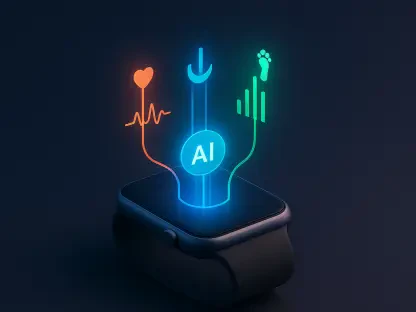
The integration of artificial intelligence into this framework represents a significant technical leap. In the case of continuous glucose monitoring, the focus is expanding beyond the mere tracking of blood sugar levels to include a wide array of contextual metrics such as sleep quality, nutritional intake, and physical activity. By synthesizing these diverse data points, AI-powered systems can offer a holistic health screening that was previously impossible. This move toward personalized, proactive intervention allows for the identification of prediabetes and Type 2 diabetes much earlier in the disease progression, potentially lowering long-term healthcare costs and improving the quality of life for millions of individuals who remain undiagnosed.
However, the shift toward real-world evidence as a primary driver of regulation is not without its challenges. It sparks an ongoing debate regarding the sufficiency of post-market surveillance compared to the gold standard of traditional clinical trials. Manufacturers are now tasked with maintaining rigorous safety standards in a much more fluid and transparent environment, where performance data is collected and analyzed in real-time. This regulatory flexibility places a higher premium on the integrity of the data being generated, requiring a level of transparency and accountability that ensures patient safety remains the paramount concern even as the pace of innovation accelerates.
Combatting Clinician Burnout Through Enterprise-Scale Ambient Sensing
While regulatory pathways are becoming more flexible, health systems are proving the operational viability of ambient AI at a massive scale. Organizations like Ardent Health have successfully documented over one million patient encounters using advanced ambient sensing platforms, demonstrating that these tools are no longer experimental novelties. By integrating AI that listens and documents in the background, clinicians are finding relief from the administrative burden that has plagued the profession for years. This shift is critical because it addresses the epidemic of provider burnout, allowing physicians to redirect their attention from electronic health record screens back to the human beings in front of them.
The data supporting this implementation is remarkably consistent, with reports indicating that clinicians are saving significant hours of documentation time every week. Perhaps more impressive than the time savings is the adoption rate, which has nearly doubled industry benchmarks in certain high-performing health systems. When technology is designed to reduce friction rather than create new steps in a workflow, it achieves a level of sustainable integration that previous digital tools failed to reach. This success suggests that the future of clinical documentation lies in “invisible” technology—systems that function seamlessly without requiring the active, burdensome input of the provider during the patient encounter.
Beyond the metrics of efficiency, there is a profound qualitative shift occurring in the patient-provider relationship. Ambient sensing allows for a more natural and empathetic dialogue, as the physician is no longer tethered to a keyboard or a mobile device. In community-based care settings, where trust and communication are essential, the ability to maintain eye contact and engage in uninterrupted conversation is invaluable. This suggests that the most effective application of artificial intelligence in healthcare is not to replace the human element, but to protect it by automating the mundane tasks that currently obstruct the delivery of compassionate and focused medical care.
Bridging the Digital Divide with Mobile Interoperability for Medicaid Populations
Innovations in digital health are increasingly focusing on equity, ensuring that advanced tools are not reserved solely for affluent patient segments. A prominent example is the movement to place comprehensive medical records directly onto the smartphones of underserved populations, particularly those on Medicaid. By utilizing secure mobile interfaces and simple QR code technology, initiatives are tackling the administrative barriers that often hinder care for low-income individuals. This democratization of care navigation acknowledges that social determinants of health are deeply influenced by the accessibility and portability of a patient’s own medical history.
The administrative “tax” paid by vulnerable communities is a significant but often overlooked hurdle in the healthcare system. Patients who move between different providers or rely on community health centers frequently deal with fragmented records, leading to redundant tests and delayed treatments. By unifying these disconnected data points onto a single, user-controlled platform, the industry is helping to level the playing field. This approach empowers patients to take ownership of their health journey, providing them with the same level of data transparency that was once only available to those with the resources to navigate complex health systems.
Furthermore, the focus on interoperability for Medicaid populations demonstrates a strategic shift toward long-term public health improvement. When patients can easily share their records with new providers or specialists, the continuity of care improves dramatically. This reduce the likelihood of medical errors and ensures that interventions are based on a complete understanding of the patient’s history. By focusing on mobile-first solutions, developers are meeting patients where they are, utilizing the devices they already own to bridge the gap between high-tech medical capabilities and the everyday realities of those living in underserved areas.
Specialization and Granularity in High-Acuity Clinical Intelligence
The current wave of digital health is also characterized by a distinct move toward highly specialized applications, particularly in high-acuity environments like the operating room. New platforms are introducing 3D-native AI to surgical settings, providing a level of spatial context that traditional 2D cameras simply cannot provide. This “Spatial Context Engine” creates a live, three-dimensional record of the surgical environment, allowing hospitals to map workflows and identify inefficiencies in real-time. This level of granularity is essential for improving surgical safety and ensuring that every movement within the operating room is optimized for the best possible patient outcome.
Simultaneously, the industry is witnessing a diversification of mental health services, as consumer-facing entities evolve into comprehensive clinical platforms. By partnering with specialists for high-acuity needs such as autism spectrum disorder and eating disorders, these platforms are expanding the continuum of care. This transition from general wellness apps to targeted, medically-backed interventions indicates a maturing market that recognizes the need for specialized expertise. Patients no longer have to navigate a fragmented search process to find high-level care; instead, they are provided with a clear, integrated path to the specialists they require.
These developments suggest a future where AI and digital platforms act as precise conduits to specialized care rather than just general support tools. Whether it is providing spatial mapping for a complex surgery or connecting a family to a neurodevelopmental specialist, the focus is on accuracy and clinical depth. This move toward specialization ensures that the unique needs of every patient are met with the most appropriate level of expertise. As technology becomes more granular, its ability to address complex medical challenges increases, moving the industry closer to a model of truly personalized and high-precision medicine.
Strategic Imperatives for Navigating the New Health Tech Landscape
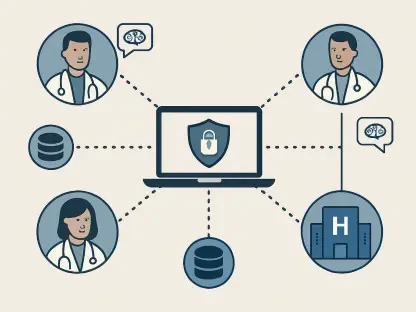
The primary takeaway from these rapid advancements is the absolute necessity of contextualized data in modern medicine. Isolated metrics are no longer sufficient for managing complex chronic conditions or intricate surgical workflows; instead, healthcare leaders must look for systems that integrate diverse data streams to provide a comprehensive view of patient health. To apply this knowledge effectively, organizations should prioritize interoperability as a core pillar of their long-term technology strategy. Ensuring that data can move securely and seamlessly between platforms is essential for reducing the administrative burden on both patients and providers while improving the accuracy of clinical decisions.
Best practices in the current landscape involve selecting AI tools that offer “ambient” utility, meaning they function in the background without disrupting the clinical encounter. When evaluating new technologies, the focus should be on how well a tool reduces friction rather than how many features it offers. Systems that automate the revenue cycle or streamline documentation allow independent practices and large health systems alike to remain financially viable while prioritizing patient care. By investing in tools that support both regulatory compliance and clinician well-being, organizations can leverage innovation to improve patient outcomes and ensure the sustainability of the healthcare workforce.
Synthesizing the Future of Integrated and Equitable Care Delivery
The integration of federal pilot programs and ambient intelligence signaled a permanent shift toward a more agile and empathetic healthcare ecosystem. These developments reinforced the foundational idea that the greatest value of technology lies in its ability to fade into the background, allowing the human elements of medicine to flourish without the constant distraction of administrative tasks. As regulatory flexibility and operational efficiency continued to align, the potential for personalized, data-driven care expanded to include even the most vulnerable populations. This alignment proved that innovation does not have to come at the expense of equity or safety.
The importance of these advancements resided in their ability to bridge significant gaps between regulation and speed, and between underserved populations and their health data. By fostering a system that was as accessible as it was advanced, the medical community took a major step toward a future where high-quality care was a universal standard rather than a luxury. Actionable next steps for the industry involved the continued scaling of these ambient tools and the expansion of interoperability standards across all sectors of the care continuum. Leaders recognized that by focusing on the seamless integration of technology into the human experience, they could create a healthcare system that was more efficient, more effective, and ultimately more humane.