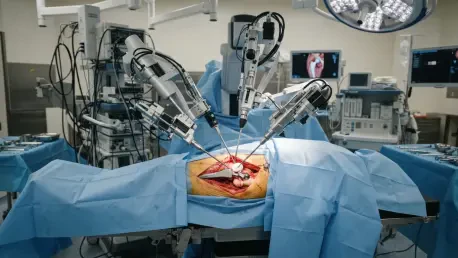

The integration of the MAKO robotic-arm system for acetabular socket preparation effectively reduces the situational stress and task complexity associated with traditional hip replacements. For years, the gold standard for evaluating surgical success in the field of orthopedics remained strictly tied to patient-facing outcomes, such as the long-term longevity of the prosthetic and the speed of postoperative rehabilitation. However, as the medical field moves into a more holistic understanding of the operating room environment, researchers are starting to examine the heavy physiological and mental price paid by the surgeons themselves. This investigation into the “human factor” suggests that while modern technology is often criticized for adding layers of complexity to a demanding job, the right tools can actually provide a much-needed mental relief. By stabilizing the surgeon’s autonomic nervous system through high-precision guidance, robotics might be the key to preventing professional burnout and ensuring that high-volume centers maintain the highest standards of safety.
Analyzing the Impact of Robotic Assistance on Surgical Performance
Research Methodology: Establishing a Controlled Environment
To isolate the influence of robotic technology from individual skill variations, the study centered on a single, fellowship-trained surgeon. This high-volume operator, who manages approximately 250 hip replacements per year, provided a unique opportunity to observe the effects of technological intervention in a highly stabilized setting. The study analyzed sixty elective primary cases, divided evenly between traditional manual methods and robot-assisted techniques. By scheduling these procedures as the first operations of the day, researchers effectively removed the confounding variable of daily exhaustion, ensuring that each measurement reflected the specific demands of the surgical approach rather than the cumulative fatigue of a long shift. This rigorous design allowed the cohort to function as a series of repeated observations under controlled variables, highlighting how even an expert with years of experience responds differently to the two distinct surgical modalities.
The specific focus of the robotic intervention was the acetabular portion of the total hip arthroplasty, utilizing the MAKO robotic-arm system for socket preparation and cup implantation. Interestingly, the researchers opted for a hybrid methodology where the femoral side of the operation—including stem insertion—was performed using manual instrumentation in both groups. This strategic choice allowed for a direct intraoperative comparison within the same patient case, revealing how the introduction of robotic precision affects a surgeon’s physiological state compared to manual labor. All patients underwent surgery through a standardized posterolateral approach in the lateral decubitus position, ensuring that the surgical access remained consistent regardless of the primary tool used. This hybrid model provides a fascinating look at how digital haptics and real-time mapping interact with traditional tactile feedback, offering a clear view of the robotic system’s unique contributions.
Data Collection: Utilizing Physiological and Psychometric Tools
To move beyond anecdotal evidence of surgical difficulty, the research team employed advanced wearable technology to capture real-time physiological data during each procedure. The surgeon wore a Hexoskin smart garment, which is a specialized undershirt embedded with sensors capable of monitoring electrocardiography, respiration metrics, and metabolic energy expenditure. These sensors provided a granular look at heart rate variability, which is a primary indicator of the autonomic nervous system’s balance. By analyzing these data points through specialized HRV software, the researchers were able to calculate a Stress Index. This metric served as an objective reflection of the body’s sympathetic nervous system activation—the “fight or flight” response—offering a scientific window into how the surgeon’s body reacted to the high-stakes environment of the operating room. This objective approach ensures that the findings are grounded in measurable biological responses rather than just the surgeon’s memory of the event.
Complementing the physiological data was the Surgery Task Load Index, a validated psychometric questionnaire that the surgeon completed within ten minutes of finishing each case. This tool is specifically designed to measure six critical dimensions of the surgical workload: mental demands, physical demands, temporal demands, task complexity, situational stress, and distractions. By using a multidimensional assessment, the researchers could pinpoint exactly where the robotic system provided the most relief and where it might have added to the surgeon’s burden. For instance, a surgeon might feel physically tired but mentally relaxed, or vice versa; the SURG-TLX captures these nuances. Combining these subjective reflections with the objective Stress Index allowed for a comprehensive understanding of the total workload. This dual-layered analysis is essential for identifying the specific types of professional stress that contribute most heavily to burnout and determining whether robotics can effectively mitigate those stressors.
Evaluating the Relationship Between Time and Workload
Operative Duration: The Paradox of Efficiency
One of the most counterintuitive findings of the study was the divergence between the time spent in the operating room and the stress levels experienced by the surgeon. Traditionally, medical professionals assume that a longer operation inevitably leads to a higher workload and more significant physical and mental exhaustion. In this research, the robot-assisted cases took significantly longer on average, clocking in at 141.5 minutes compared to the 116.9 minutes required for conventional procedures. This 25-minute increase was largely due to the extra technical steps inherent in the robotic workflow, such as bone mapping, patient registration, and system calibration. Under the traditional view of surgical efficiency, this would be seen as a negative outcome; however, the study suggests that the quality of those minutes matters just as much as the quantity. The robotic setup phase, while time-consuming, appears to set the stage for a much smoother and more controlled surgical execution later.
Despite the increased operative time, the physiological data revealed that the surgeon remained in a significantly more relaxed state during the robotic cases. The average stress index was notably lower throughout the procedures involving the robotic arm compared to those performed manually. When analyzing the SURG-TLX results, it became clear that the reduction in burden was most pronounced in the areas of task complexity and situational stress. This indicates that the robotic system successfully handles the most mentally taxing aspects of the hip replacement, such as the precise spatial guesswork required for socket alignment. Even though the surgeon was in the operating room for a longer period, the body’s sympathetic nervous system remained less reactive, suggesting that the digital guidance provided a sense of certainty that manual tools lack. This paradox proves that technology can increase the duration of a task while simultaneously making it less exhausting for the human operator.
Phase-Specific Analysis: Stress Points and Carry-over Effects
By breaking the entire surgical procedure into four distinct phases—exposure, acetabular preparation, femoral preparation, and wound closure—the researchers identified precisely where the robotic system provided the most benefit. The physiological data showed that the surgeon’s stress index was consistently lower during the robotic-assisted acetabular preparation. Interestingly, markers of parasympathetic activity, which indicate a state of relaxation and recovery, were significantly higher during this phase in the robotic group. Perhaps most surprisingly, this calmer state persisted even during the manual femoral preparation phase in the robotic cases. This suggests a powerful carry-over effect, where the initial success and precision achieved with the robot gave the surgeon a psychological and physiological buffer for the remainder of the procedure. When the most difficult technical hurdles are cleared with digital certainty, the surgeon appears to maintain a much higher level of confidence throughout the rest of the surgery.
However, the data also highlighted a unique spike in stress during the final wound closure phase of the robotic-assisted surgeries. In a reversal of the trend seen throughout the rest of the case, the surgeon’s stress index was actually higher during closure for robotic cases than for conventional ones. Researchers believe this phenomenon may be attributed to cumulative physical fatigue stemming from the longer overall duration of the operation, or perhaps a subconscious hurry to finish a case that had already taken nearly two and a half hours. This finding is a crucial reminder that while robotics can alleviate the mental burden of complex tasks, they do not entirely eliminate the physical toll of a long workday. It highlights the importance of balancing the benefits of high-precision technology with the physical limitations of the human body. Understanding these specific stress points can help hospitals better plan their surgical schedules to ensure that the benefits of robotics are not undermined.
Outcomes and Future Implications for the Surgical Workforce
Precision Outcomes: Balancing Accuracy and Performance
While the focus of this research was primarily on the health of the surgeon, the study also monitored the clinical and radiographic outcomes to ensure patient safety remained paramount. The results showed that both the robotic and manual techniques were highly effective at placing implants within the established safe zones. However, the robotic group demonstrated a superior level of consistency in leg-length discrepancy, showing an average difference of only 2.9 mm compared to the 4.2 mm seen in manual cases. While this small difference might not be clinically noticeable to every patient, it underscores the high degree of precision that the MAKO system provides. More importantly, the use of robotics did not lead to any intraoperative complications or higher rates of readmission within the 90-day follow-up period. This confirmed that the technology was a safe and reliable alternative to traditional methods, providing surgeons with a tool that enhanced performance.
The concept of the robotic system acting as a cognitive offloader is perhaps the most significant insight for the future of orthopedic surgery. By automating the most difficult calculations and providing haptic boundaries that prevent errors, the robot allowed the surgeon to focus on the broader aspects of the operation rather than getting bogged down in minute manual adjustments. This reduction in the mental tax was particularly vital in high-volume medical centers where surgeons often performed multiple complex procedures back-to-back. If technology can lower the cumulative stress experienced during each case, it could significantly improve the longevity of the surgical workforce and reduce the high rates of professional burnout currently seen in the industry. As we move through 2026, the adoption of these systems shifted from being a luxury to a standard of care focused on the sustainability of the medical profession itself.
Strategic Moving Forward: Next Steps for Integrated Robotics
Despite the positive results, the study authors emphasized that these benefits were most applicable to surgeons who had already mastered the learning curve of robotic systems. For a novice surgeon or someone who only performs a small number of robotic cases each year, the technology could initially increase stress rather than reduce it. The mental load of troubleshooting software or navigating a new workflow can be taxing until the process becomes second nature. Therefore, hospitals looking to implement these systems should prioritize robust training programs and support staff to help surgeons transition smoothly. Future research should include multi-surgeon trials across different levels of expertise to determine how the stress-reduction effect evolves as a surgeon gains more experience. This will provide a clearer picture of when and how to introduce robotics into a surgical practice to maximize both surgeon well-being and patient outcomes over the long term.
Looking toward the rest of this decade, the healthcare industry must view surgical robotics as more than just a tool for precision; it is a vital component of surgeon occupational health. The findings from this cohort study recommended that hospital administrators consider the physiological impact of different surgical modalities when designing workflows and operating schedules. By acknowledging that a 140-minute robotic case might be less taxing than a 115-minute manual one, facilities could better optimize their staffing and reduce the risk of physician fatigue. Moving forward, the integration of real-time physiological monitoring for surgical teams could become a standard practice, allowing for data-driven decisions about intraoperative breaks and workload distribution. Ultimately, the successful future of surgery lay in a symbiotic relationship between human expertise and digital precision, where technology supported the doctor’s health.