
The mobile clinic model eliminates the significant barrier of lost wages by bringing two fully equipped exam rooms directly to the farm sites during the growing season. This initiative serves as a vital response to the systemic neglect experienced by the thousands of migrant workers who sustain the agricultural engine of the American Midwest. In the sprawling vegetable fields of Wisconsin, laborers like Jazmin, a 29-year-old H-2A visa holder from Mexico, often find themselves trapped between the physical demands of their jobs and the basic needs of their bodies. Despite being deep into her second trimester of pregnancy, Jazmin had not received a single prenatal checkup before the mobile clinic arrived at her work site in Grand Marsh. This reality is a stark illustration of the healthcare vacuum that exists in rural corridors, where the nearest medical facility is frequently too distant or too expensive for someone whose presence in the country is tied strictly to their ability to work through the harvest cycle without interruption or delay.
The Challenges of Rural Healthcare Delivery
Physical Barriers to Access: The Reality of Geographic Isolation
The geographic layout of rural Wisconsin often acts as a physical wall, separating migrant labor camps from the healthcare services found in urban centers. In small communities like Grand Marsh, which boasts a population of fewer than 200 residents, the nearest emergency room or delivery suite is often more than 30 minutes away by car. For a migrant worker without a driver’s license or reliable transportation, this distance might as well be a thousand miles. The nature of the H-2A visa program further complicates this, as workers are often dependent on their employers for every aspect of their logistical needs. When the growing season is in full swing, the economic priority of the workers themselves often shifts toward maximizing hours in the field to support families back home. This “work-first” mentality, while economically rational for the individual, frequently leads to the dangerous postponement of treatment for chronic conditions that could otherwise be managed.
Economic Obstacles: Advocacy and Insurance Navigation
Beyond geography, the legal and financial frameworks of the American medical system create a secondary layer of exclusion for the migrant population. While H-2A workers are legally permitted to work in the country, they are generally excluded from standard Medicaid programs due to their immigration status. Programs like the BadgerCare Prenatal Plan exist as a narrow exception, yet navigating the complex application process requires a level of bureaucratic literacy and language proficiency that many workers do not possess. This is where community health advocates like Yesenia Meza become indispensable, acting as intermediaries who translate not just language, but the intricate requirements of the healthcare system. Without these advocates to manage the paperwork and advocate for worker rights, many individuals would fall through the cracks, leaving severe ailments like kidney failure or heart disease entirely unmonitored until a crisis forces an expensive and risky emergency intervention.
Innovative Solutions for a Mobile Workforce
The Clinic on Wheels: A Comprehensive Primary Care Hub
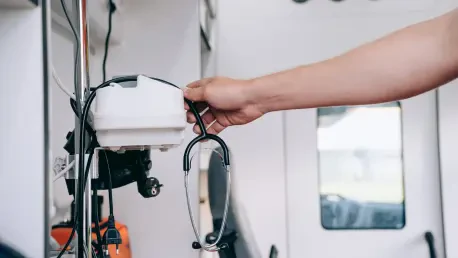
The 44-foot-long mobile health unit operated by Noble Community Clinics serves as a sophisticated primary care hub designed specifically for the needs of a mobile workforce. Inside this vehicle, medical professionals utilize advanced diagnostic technology that allows for immediate results, bypassing the traditional need for patients to wait days for laboratory feedback. From cholesterol and diabetes screenings to preventative procedures like Pap smears, the clinic offers a level of comprehensive care that matches many permanent suburban offices. The efficiency of this “one-stop shop” model is paramount because it respects the limited time agricultural workers can afford to spend away from their duties. By bringing the clinic to the doorstep of the labor camps, the medical team removes the transportation barrier and the associated financial loss of taking a day off. This integration of technology and mobility ensures that high-quality medicine is no longer a luxury of the stationary.
Integrated Care: Collaboration with Farm Operations
Successful implementation of these mobile medical services also hinges on the deep cooperation of farm owners, such as the Bula family, who manage thousands of acres of productive farmland. These agricultural leaders recognize that the health of their H-2A employees is directly linked to the stability and productivity of the harvest cycle. By allowing doctors like Bill Kinsey to set up exam rooms on-site, owners facilitate a safer working environment and demonstrate a commitment to the well-being of their specialized labor force. This partnership is essential because it builds trust between the migrant community and the medical establishment, which can often be viewed with suspicion or fear. When a physician can step onto a farm and provide immediate treatment for a workplace injury or a chronic illness, it reinforces the value of the worker beyond their physical output. This collaborative model has proven that proactive medical intervention is far more cost-effective and humane than the reactive alternative.
The Socio-Political Environment of Migrant Labor
Systemic Dependency: The Growth of the H-2A Program
The current landscape of American agriculture reveals an unprecedented reliance on foreign labor, with the number of H-2A visa holders increasing by over 500 percent since 2012. Today, approximately 400,000 guest workers are employed across the country, performing the manual tasks that are essential to food security but increasingly shunned by the domestic workforce. Farmers across Wisconsin acknowledge that their operations would essentially collapse without this loyal and highly skilled group of individuals. These workers are not merely temporary helpers; they are the bedrock of the agricultural economy, maintaining a cycle of planting and harvesting that supports regional and national markets. Despite this clear economic necessity, the policy environment remains fragmented, often failing to provide the long-term health and safety protections that a permanent labor force would expect. The mismatch between the workers’ vital contribution and their precarious social standing creates a unique set of challenges for those trying to provide care.
Social Friction: Addressing the Invisible Residency
Social friction and a sense of “invisible residency” further isolate migrant workers from the communities they serve, often creating an atmosphere of anxiety. Community health workers have reported encountering significant challenges, including instances of racial profiling and social stigma when accompanying workers into public spaces or local clinics. Because these labor camps are often tucked away on private property far from public view, many local residents are entirely unaware of the vibrant and essential migrant communities living nearby. This lack of visibility can lead to a dehumanizing perspective, where workers are seen as transient labor units rather than as individuals with complex health needs and families. The mobile clinic provides a necessary buffer against this social hostility, creating a safe and dignified environment where workers can seek help without fear of judgment or harassment. For many, the clinic is the only place where their presence is recognized not just for its utility, but for its inherent human value.
Future Considerations: Strengthening the Agricultural Safety Net
The initiative to bring mobile medical care to Wisconsin’s agricultural regions established a successful blueprint for addressing the severe health inequities of the migrant workforce. It was observed that when barriers like transportation and lost wages were removed, workers engaged more frequently with preventative services, significantly reducing the incidence of emergency hospitalizations. Stakeholders recognized that the H-2A program required a more integrated health component to match its economic scale, leading to recommendations for expanded funding for mobile units and specialized outreach. These clinics proved that the physical well-being of laborers was as crucial to the harvest as the quality of the soil or the seasonal weather patterns. Moving forward, the integration of telehealth and localized advocacy programs was identified as a necessary evolution to maintain this continuity of care. Ultimately, the program demonstrated that protecting the dignity and health of essential workers remained the most effective way to ensure the long-term sustainability of the food system.