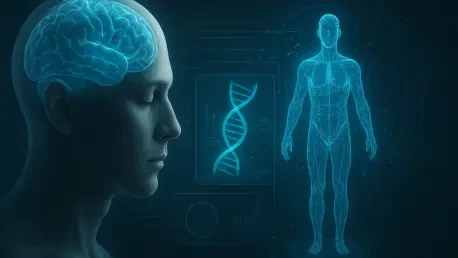

A unified approach to health data enables predictive models to achieve accuracy levels comparable to specialized tools designed for single-disease detection. Modern medical practice has fundamentally pivoted from diagnosing existing conditions to forecasting physiological collapses before they manifest clinically. By synthesizing massive datasets found in biobanks, researchers developed algorithms that function as sophisticated early-warning systems. These models do not merely look for a single biomarker; they analyze the intricate interplay between thousands of variables over time. This methodology allows practitioners to visualize a patient’s health as a moving trajectory rather than a static point. Such advancements transformed the clinical landscape from 2026 to 2028, ensuring that intervention occurs at the most opportune moment. This shift toward high-resolution monitoring has bridged the gap between raw biological data and actionable insights, creating a framework where prevention is the primary objective of care.
The Proteomic Blueprint: Reading Biological Age
Recent breakthroughs in proteomics identified a specific signature of 204 proteins that serve as a high-fidelity proxy for an individual’s biological age. Unlike chronological age, which simply counts years, this “protein age” reflects the actual state of cellular and systemic decay. An extensive analysis involving over 45,000 individuals demonstrated that when a person’s protein-derived age exceeds their actual years, the risk for 18 major diseases, including cancer and cardiovascular conditions, rises sharply. This discovery provided a quantifiable metric for “aging” that clinicians use to tailor preventive strategies. By monitoring these specific protein levels, it is possible to observe the real-time impact of interventions, pharmaceutical or lifestyle-based. This granular view into the body’s internal clock allows for a level of personalization previously thought impossible. Identifying these protein markers has turned biological aging into a measurable clinical data point that directly influences long-term health management.
Building on protein research, organ-specific studies from institutions like Stanford University refined our understanding of how different systems age at varying rates. It is clear that the brain and the immune system are the two most critical barometers for overall longevity and future health stability. While one person might possess a cardiovascular system that mirrors their chronological age, their immune system might show signs of advanced senescence, signaling a higher vulnerability to chronic inflammation and neurological decline. These findings suggest that lifestyle choices and specific medications can selectively accelerate or decelerate the aging process of individual organs. Understanding this divergence allows for targeted therapies that focus on the “weakest link” in a patient’s biological profile. By identifying which organ systems are aging prematurely, healthcare providers implement corrective measures long before symptoms arise. This nuanced approach ensures that the entire system remains resilient, extending the period of life spent in peak health.
Systemic Integration: The Path Toward Preventive Longevity
The integration of sophisticated AI models like Delphi-2M revolutionized how clinicians interact with patient histories. Operating on logic similar to predictive text algorithms, Delphi-2M can forecast the likelihood and timing of over 1,000 different diseases. This model was validated across diverse populations in the United Kingdom and Denmark, proving that a generalized AI can match the precision of specialized diagnostic tools. The rapid adoption of these technologies is evidenced by the increase in physician usage, which surged from 38% to 81% in a single year as we entered the current period. However, this transition brought challenges, particularly regarding how patients interpret complex data without professional guidance. Ensuring that these predictive insights are presented within a coherent medical narrative remains a priority. As healthcare professionals rely more on these unified records, the focus shifted toward creating a comprehensive story of a patient’s health rather than managing isolated symptoms.
The evolution of healthcare into a predictive science was solidified as clinical teams adopted a holistic view of biological data. This movement prioritized the synthesis of fragmented records into a cohesive narrative, which allowed for the identification of subtle health risks years in advance. Strategic investments in longitudinal health tracking provided the necessary foundation for these AI models to flourish. It was discovered that maintaining a continuous history of biological changes was more valuable than any single high-tech scan. Stakeholders successfully integrated these systems by focusing on patient education and ensuring that AI-driven insights were always mediated by human expertise. This transition encouraged individuals to take ownership of their biological trajectories through informed lifestyle adjustments and early screenings. Ultimately, the focus shifted from treating the sick to preserving the healthy, a change that redefined the standard of medical care and personalized the future of public health strategy.