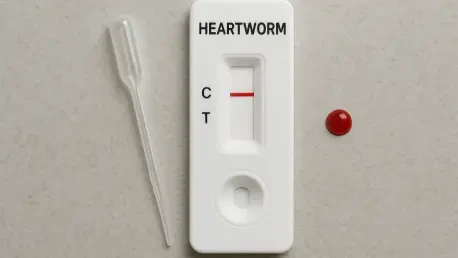
Routine laboratory data provides a wealth of biochemical markers that can reveal liver stress, yet interpreting these panels remains a subjective and error-prone task. Hepatitis C, frequently described by healthcare professionals as a "silent killer," poses a significant global threat because the
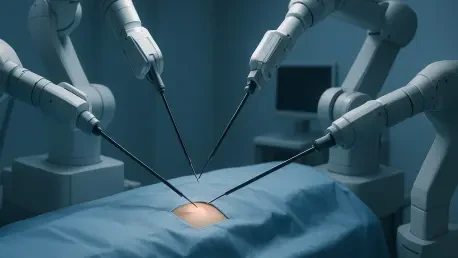
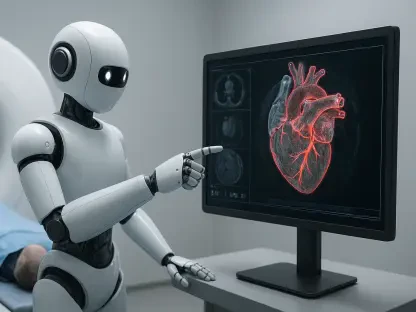
Successful adoption of robotic platforms requires a site-specific cultural integration involving nurses, technologists, and anesthesiologists alongside the primary surgeon. Emory University Hospital has established a profound benchmark in this evolution by becoming the first institution to
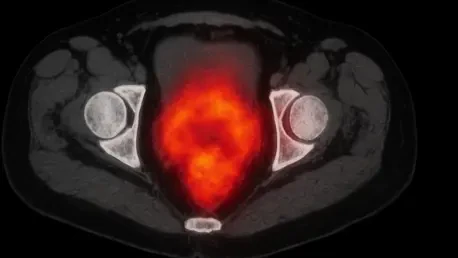
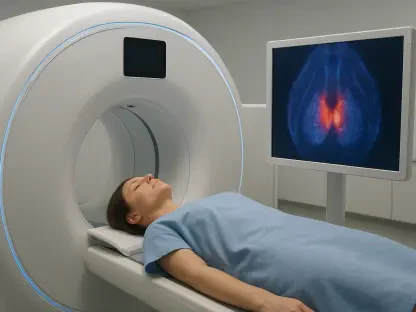
Gallium-68 PSMA-11 radiotracers create a vivid molecular signature that reveals metabolic activity even in anatomically normal regions of the prostate. This breakthrough addresses a persistent challenge in modern urology, where traditional multiparametric MRI often fails to detect high-grade tumors
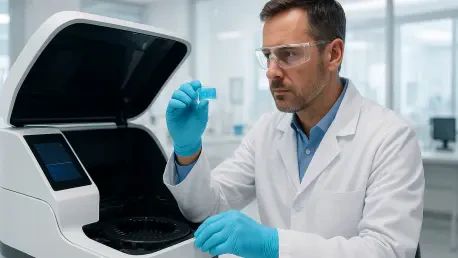
The global market for in-vitro inflammatory bowel disease diagnostics is projected to climb to USD 2.9 billion by 2034 as healthcare providers shift toward non-invasive protocols. This movement reflects a broader transformation within the gastrointestinal sector, where the focus is intensifying on
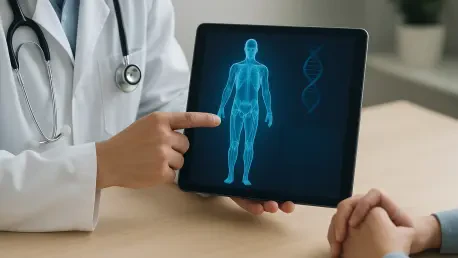
The current trend in healthcare integration treats AI as a second brain for physicians, allowing for rapid literature review without bypassing human oversight. As generative platforms like ChatGPT increasingly serve as the initial point of contact for patients with medical questions, the
Recent data indicates that approximately 79 percent of antidepressant prescriptions are issued by primary care physicians without a structured path to specialized follow-up care. This staggering statistic underscores a profound systemic gap where mental health issues are often identified but lack