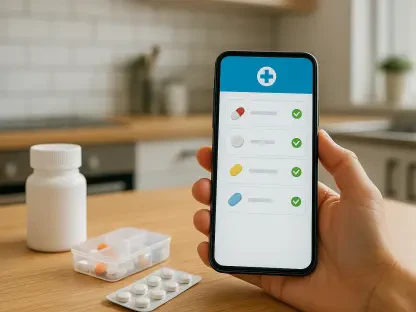

A veteran walking into the Dayton VA Medical Center today expects more than just high-quality medical treatment; they anticipate a seamless digital experience that connects their military history with their current health needs. The integration of the new Electronic Health Record system represents

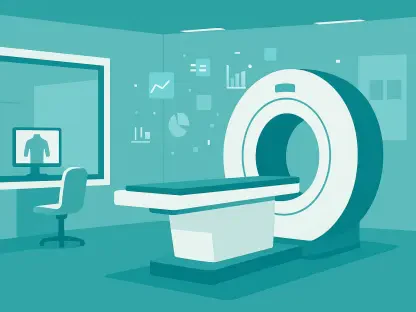
The rapid consolidation of the diagnostic imaging sector has reached a fever pitch as independent practices struggle to maintain clinical autonomy while facing the astronomical costs of next-generation medical technology and shifting insurance mandates. Private equity firms have stepped into this

For individuals residing in the more isolated stretches of the regional landscape, the traditional model of specialized disability support frequently involved insurmountable travel times and long waitlists for visiting practitioners. By 2026, the National Disability Insurance Scheme has undergone a
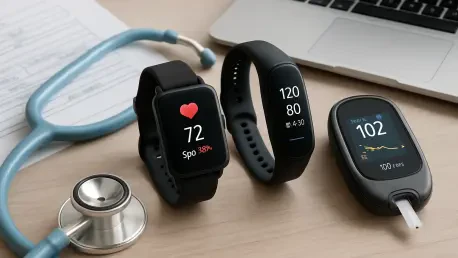
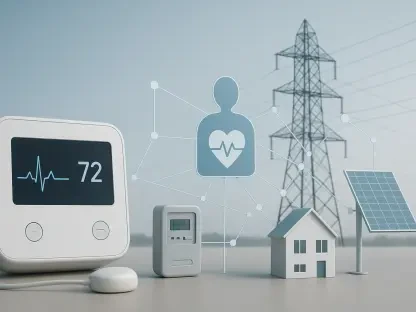
The rapid proliferation of biometric sensors has moved well beyond the niche domain of fitness enthusiasts to become a fundamental component of the American patient experience in 2026. Approximately 60 percent of adults now possess a wearable device that tracks everything from blood oxygen levels

The rapid decentralization of the modern medical landscape has effectively dismantled the long-standing monopoly once held by massive hospital networks and centralized corporate entities over the delivery of digital care. While the high costs of regulatory compliance and the complexity of
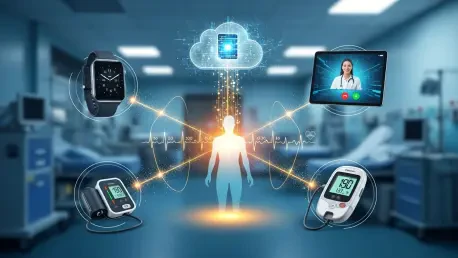
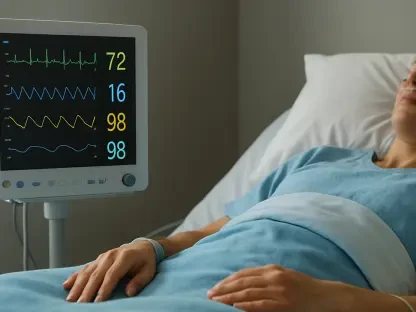
The traditional architecture of the medical system is experiencing a fundamental realignment as clinical expertise moves from sterile hospital wards into the intimate settings of residential living spaces. This profound transformation relies on Remote Patient Monitoring as its primary engine,